
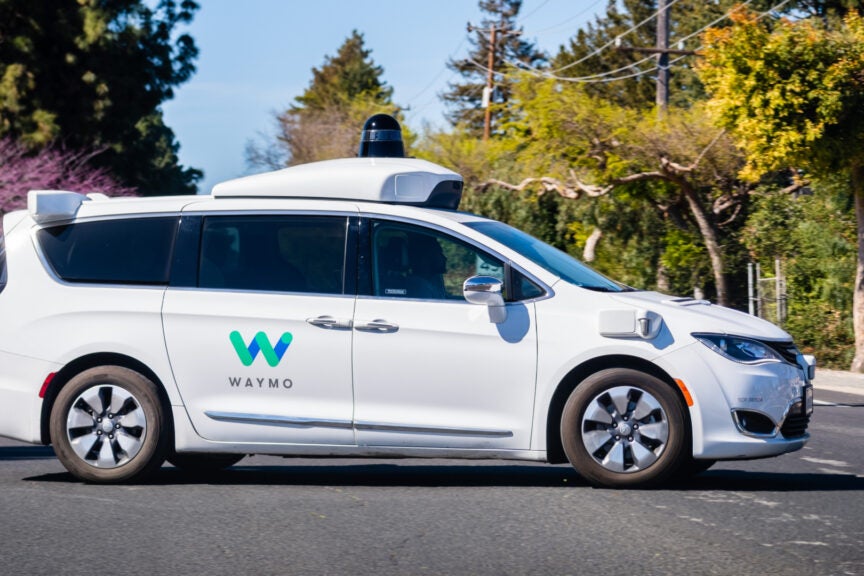
Can Waymo and Toyota Challenge Tesla’s Dominance in the EV Market?
The automotive industry is bracing for a potential shakeup as Waymo and Toyota join forces to compete with Tesla in the electric and autonomous vehicle sectors. Announced in late 2023, the partnership aims to leverage Waymo’s self-driving technology and Toyota’s manufacturing prowess. However, analysts like Dan Ives of Wedbush Securities argue Tesla’s scale and innovation still set the benchmark. The question remains: can this alliance disrupt Tesla’s dominance?
The Waymo-Toyota Partnership: A Strategic Move
Waymo, Alphabet’s autonomous vehicle subsidiary, and Toyota, the world’s largest automaker by volume, have embarked on a multi-year collaboration. The deal focuses on integrating Waymo’s Level 4 autonomous driving system into Toyota’s upcoming electric vehicles (EVs), including the popular Lexus lineup. This partnership signals Toyota’s aggressive pivot toward electrification and automation, areas where Tesla has long led.
Industry experts highlight the complementary strengths each company brings:
- Waymo’s Technology: Over 20 million miles of real-world autonomous driving data and a proven track record in robotaxis.
- Toyota’s Scale: Production capacity of 10 million vehicles annually and a global dealership network.
“This is a marriage of cutting-edge AI and industrial might,” says Rebecca Lindland, an auto analyst at Cox Automotive. “But scaling autonomous tech in consumer vehicles is a different ballgame than robotaxis.”
Tesla’s Unmatched Market Position
Despite the hype around the Waymo-Toyota alliance, Tesla retains formidable advantages. The company delivered over 1.8 million EVs in 2023, capturing 18% of the global market. Its vertically integrated supply chain, proprietary Full Self-Driving (FSD) software, and Supercharger network create a moat competitors struggle to breach.
Dan Ives emphasizes Tesla’s lead: “Tesla isn’t just an automaker—it’s an ecosystem. Their battery tech, software updates, and energy storage solutions create stickiness that new entrants can’t replicate overnight.” Key Tesla advantages include:
- Battery Technology: 4680 cells offer 16% more range than competitors’ average.
- Software: FSD Beta v12 processes data from 4 million+ customer vehicles.
- Charging Infrastructure: 50,000+ Superchargers worldwide versus Waymo’s 700 robotaxi fleet.
Challenges for the Waymo-Toyota Alliance
The partnership faces significant hurdles in catching Tesla:
Regulatory and Public Trust Barriers
Autonomous vehicles (AVs) remain controversial. A 2023 AAA survey found 68% of Americans fear riding in self-driving cars. Waymo’s robotaxis, though safer than human drivers per mile, have faced public backlash after rare accidents. “Consumer adoption is the biggest bottleneck,” notes MIT researcher Bryan Reimer. “Tesla’s ‘driver-assist’ approach feels safer to most buyers than full autonomy.”
Production and Cost Challenges
Toyota’s EV production lags at just 24,000 units in 2023, compared to Tesla’s quarterly output. Waymo’s autonomous systems also add approximately $30,000 per vehicle—a premium that could price out mainstream buyers. “The economics don’t yet work for mass-market AVs,” admits Waymo CEO Tekedra Mawakana.
Market Projections and Analyst Insights
BloombergNEF predicts Tesla will maintain >15% EV market share through 2030, while Waymo-Toyota might capture 3-5% in the AV segment. However, the alliance could thrive in commercial applications:
- Ride-hailing: Potential to undercut Uber/Lyft with driverless taxis.
- Logistics: Toyota’s truck division could deploy Waymo for freight.
Goldman Sachs estimates the AV market could hit $285 billion by 2030. “This isn’t winner-takes-all,” argues Lindland. “There’s room for Tesla in consumer EVs and Waymo-Toyota in fleet services.”
The Road Ahead: Collaboration or Competition?
The Waymo-Toyota partnership reflects a broader industry trend: legacy automakers teaming with tech firms to counter Tesla. GM-Cruise and Ford-VW’s Argo AI followed similar playbooks, with mixed results. Success hinges on three factors:
- Technology Integration: Seamlessly embedding Waymo’s system into Toyota’s vehicles.
- Cost Reduction: Lowering AV hardware expenses by 50%+ by 2026.
- Regulatory Approval: Securing federal AV operation clearances.
Ives remains skeptical: “Tesla’s decade head start in data collection is insurmountable for now. Waymo and Toyota are playing catch-up in a race where the finish line keeps moving.”
Conclusion: A Shifting Landscape with Tesla Still in Pole Position
While the Waymo-Toyota alliance marks a significant step toward diversified competition, Tesla’s integrated approach and brand loyalty present towering challenges. For consumers, the rivalry promises faster innovation and potentially lower prices. Investors should watch for Toyota’s 2025 AV-ready EVs and Waymo’s next-gen sensor costs—key indicators of whether this partnership can truly shift the industry’s balance of power.
Want to stay updated on the EV revolution? Subscribe to our newsletter for weekly insights on automotive tech and market trends.
See more Business Focus Insider Team
