
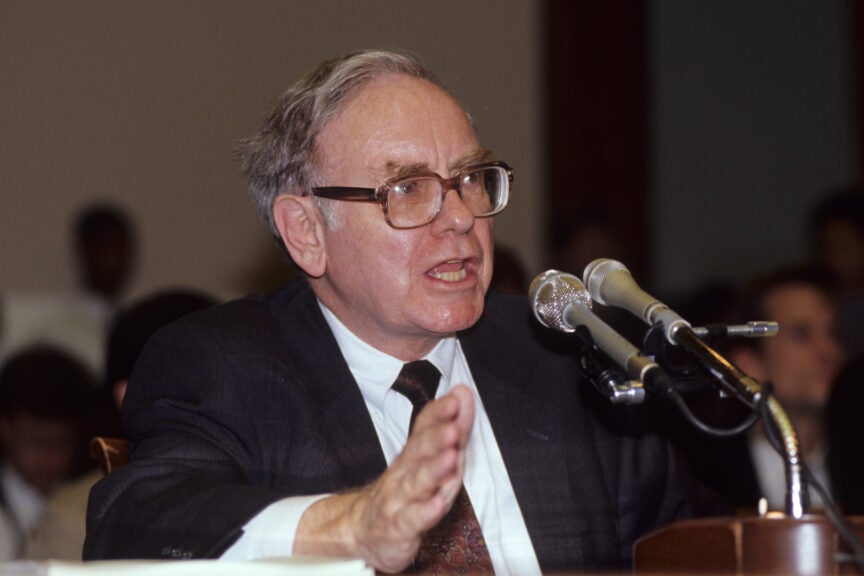
Warren Buffett Sounds Alarm on US Capitalism: Are Casinos Undermining Our Cultural Heritage?
Legendary investor Warren Buffett has issued a stark warning about the growing influence of profit-driven enterprises on America’s cultural institutions. Speaking at Berkshire Hathaway’s annual meeting in Omaha, Nebraska, the 93-year-old billionaire expressed concerns that unchecked capitalism threatens to erode the nation’s heritage. His remarks spotlight the tension between economic growth and cultural preservation, particularly as casinos and entertainment conglomerates expand into historically significant areas.
The Clash Between Commerce and Culture
Buffett’s comments came during a wide-ranging discussion about American values, where he drew parallels between the spread of gambling establishments and the decline of community-focused institutions. “When every Main Street becomes a potential casino location, we’re not just changing storefronts—we’re rewriting our social contract,” Buffett stated. His critique arrives as 23 states have legalized commercial casinos since 2018, generating $60 billion in annual revenue according to the American Gaming Association.
The Oracle of Omaha specifically highlighted concerns about:
- The replacement of local businesses with gambling venues in historic districts
- Increased problem gambling rates (up 30% since 2020 per CDC data)
- The “Disneyfication” of cultural landmarks for tourist dollars
Economic Boom vs. Cultural Erosion
While casino proponents emphasize job creation and tax revenue, cultural economists warn of intangible losses. Dr. Eleanor Westwood, urban studies professor at Columbia University, explains: “Casinos operate on a 24/7 economic model that fundamentally alters community rhythms. Our research shows neighborhoods within 2 miles of new casinos experience 40% faster turnover of legacy businesses.”
Buffett cited Atlantic City’s transformation from family beach destination to gambling mecca as a cautionary tale. Once boasting 12 casinos in 2006, the city now hosts 9 despite generating $3.2 billion in gaming revenue last year. “The money flows, but what remains when the glitter fades?” Buffett questioned, noting the city’s 37% poverty rate—nearly triple the national average.
Preservationists Push Back Against Commercial Encroachment
Historic preservation groups applaud Buffett’s stance. “We’re seeing sacred Native American sites, Civil War battlefields, and jazz-age landmarks surrounded by slot machines,” says Marcus Reynolds of the National Trust for Historic Preservation. A 2023 survey revealed 68% of Americans believe commercial development threatens cultural landmarks, up from 49% in 2015.
However, casino advocates counter that entertainment venues can coexist with cultural preservation. “Modern casinos employ more Americans than Broadway theaters and opera houses combined,” argues gaming industry spokesperson Diane Carlisle. She points to Las Vegas’ Neon Museum and the Mob Museum as examples of casinos funding cultural initiatives.
The Buffett Prescription: Conscious Capitalism
Buffett proposes a middle path—what he terms “conscious capitalism”—where businesses voluntarily limit expansion in culturally sensitive areas. He suggests:
- Establishing “cultural heritage zones” with development restrictions
- Creating tax incentives for businesses preserving historic character
- Mandating community impact studies for entertainment complexes
“The market will always demand more,” Buffett noted, “but true capitalism remembers it serves society, not the other way around.” His position finds support in surprising quarters—Sheldon Adelson’s Las Vegas Sands recently pledged $100 million to preserve historic sites near its properties.
What’s at Stake for Future Generations
The debate extends beyond architecture and entertainment. Psychologists warn that replacing cultural touchstones with gambling venues may reshape collective memory. “When children grow up seeing casinos where their grandparents saw libraries or town squares, it changes their relationship with history,” explains Dr. Amina Nwosu of Harvard’s Cultural Cognition Project.
Economic data presents a complex picture:
- States with casino taxes fund 12% more K-12 education (American Gaming Association)
- But counties with casinos show 22% higher personal bankruptcy rates (Federal Reserve 2022)
The Path Forward: Balancing Progress and Preservation
As cities grapple with post-pandemic recovery, Buffett’s warning sparks crucial conversations about sustainable development. Some municipalities now require cultural impact assessments alongside environmental reviews—a practice pioneered in Santa Fe that’s spreading to Charleston and Savannah.
“This isn’t about stopping progress,” Buffett concluded. “It’s about remembering why we want to progress in the first place.” With 17 states considering casino expansions in 2024, his message arrives at a pivotal moment for American communities.
What role should businesses play in preserving cultural heritage? Share your perspective with local representatives or join the discussion at #CultureVsCommerce on social media.
See more Business Focus Insider Team
