
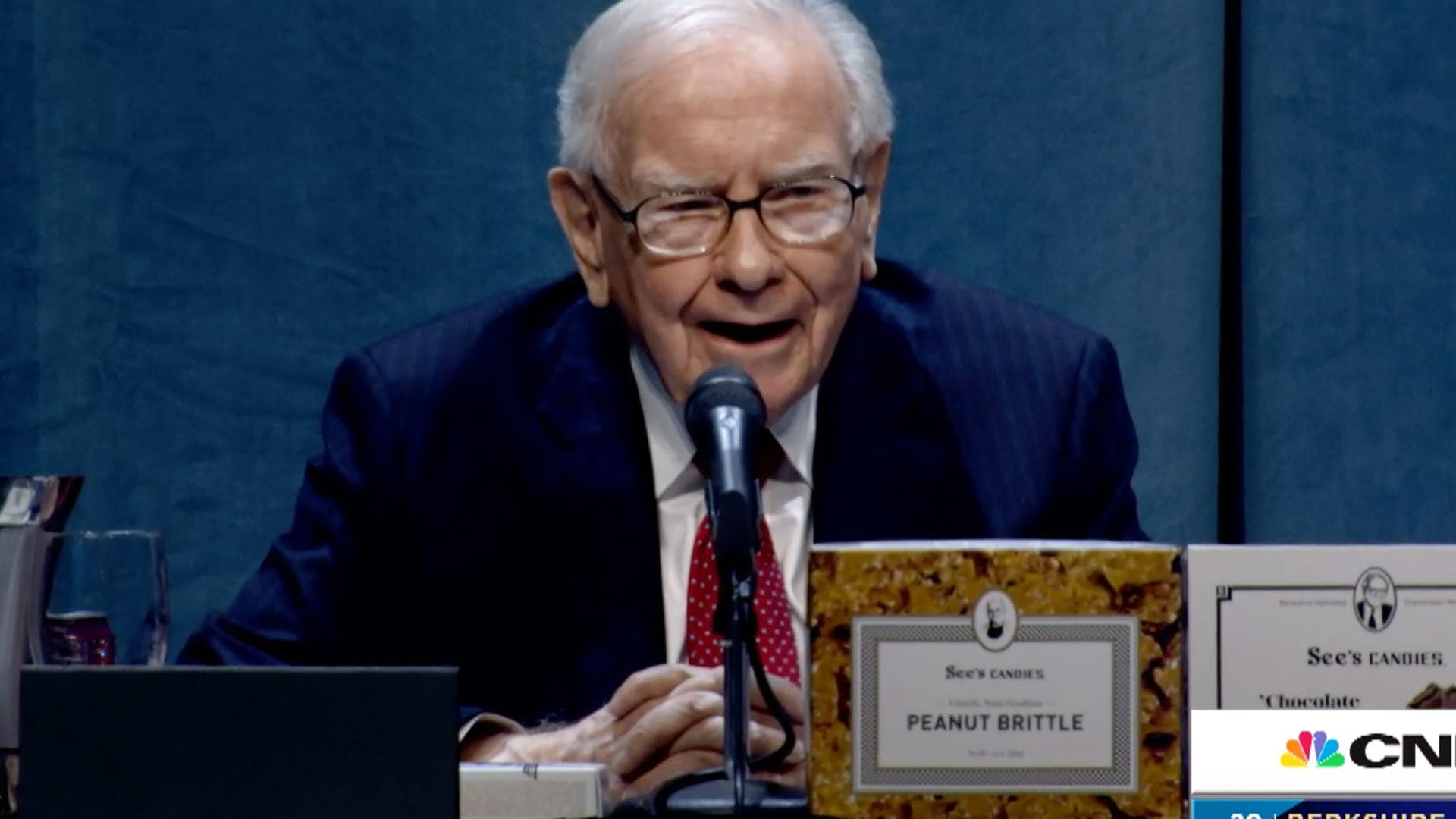
Warren Buffett’s Bold Take: Trump’s Tariffs as a Tax on Consumers
In recent discussions surrounding the economic policies of the Trump administration, one voice stands out for its clarity and insight: Warren Buffett. The billionaire investor and CEO of Berkshire Hathaway has taken a bold stance on the tariffs imposed during President Trump’s tenure, likening them to a tax burden on American consumers. Buffett’s perspective sheds light on the broader implications of such tariffs, not only for individual consumers but also for the economy at large.
Understanding Tariffs and Their Impact
Tariffs are taxes imposed on imported goods, aimed at making foreign products more expensive and thus encouraging consumers to buy domestically produced items. The rationale behind these tariffs is often rooted in protectionism, where a country seeks to shield its industries from foreign competition. However, as Buffett points out, the reality of tariffs is more complex. While they may provide short-term benefits to certain industries, they can ultimately lead to higher prices for consumers.
Buffett’s argument is straightforward: when tariffs are implemented, the cost of imported goods rises, which in turn leads to increased prices for consumers. This can be particularly burdensome for lower and middle-income households, who may find that their purchasing power is diminished as a result of these policies. The implications of this are significant:
- Increased Consumer Prices: As tariffs drive up the cost of goods, consumers pay more for everyday items, from electronics to clothing.
- Economic Inequality: Tariffs disproportionately affect those with lower incomes, as they spend a larger percentage of their earnings on essential goods.
- Supply Chain Disruptions: Many companies rely on global supply chains. Tariffs can disrupt these networks, leading to inefficiencies and further cost increases.
Buffett’s Perspective on Economic Growth
Warren Buffett emphasizes that the long-term effects of tariffs can stifle economic growth. He argues that fostering free trade is essential for economic expansion. By imposing tariffs, the government risks creating an environment where innovation and competition are hampered. This can lead to a stagnation of productivity, which is detrimental to the overall economy.
Buffett’s perspective highlights that the benefits of free trade extend beyond cheaper goods. They include:
- Access to a Broader Market: Companies can expand their customer base internationally, leading to increased sales and growth.
- Innovation through Competition: Exposure to global competition encourages companies to innovate and improve their products.
- Job Creation: A thriving export market can lead to job creation in various sectors, contributing to economic stability.
The Political Landscape and Economic Policy
Buffett’s views are not merely economic theories; they are grounded in the political realities of the time. The Trump administration’s focus on tariffs was part of a broader strategy to renegotiate trade deals and prioritize American manufacturing. While these goals are commendable, the execution through tariffs has sparked significant debate among economists and business leaders alike.
The political landscape surrounding tariffs is complex, with various stakeholders advocating for different approaches:
- Manufacturers: Some domestic manufacturers benefit from tariffs, as they reduce competition from cheaper imports.
- Consumers: The average consumer faces higher prices, which can lead to discontent and pushback against the administration’s policies.
- Global Trade Partners: Countries affected by tariffs may retaliate, leading to a trade war that can further escalate tensions and economic challenges.
Buffett’s Insights on Long-term Economic Strategies
Warren Buffett’s take on tariffs aligns with his long-standing advocacy for sound economic policies that favor free trade and open markets. He believes that in the long run, the benefits of free trade outweigh the short-term gains from protectionist measures. His insights suggest several strategies for a more sustainable economic policy:
- Invest in Infrastructure: Improving infrastructure can enhance productivity and efficiency, making American goods more competitive globally.
- Focus on Education: Investing in education and workforce development prepares workers for the jobs of the future, fostering innovation and economic growth.
- Encourage Entrepreneurship: Creating an environment that supports small businesses and startups can drive innovation and job creation.
The Broader Economic Implications
Buffett’s analysis of Trump’s tariffs as a tax on consumers has broader implications for understanding economic policy in the United States. It serves as a reminder that the consequences of such policies extend beyond immediate economic benefits for specific industries. Instead, they can create ripple effects throughout the economy, impacting everything from consumer spending to employment rates.
Moreover, the discussion around tariffs raises important questions about the future of U.S. trade policy. As global markets evolve and new trade agreements emerge, it becomes crucial for policymakers to consider the long-term effects of their decisions. Buffett’s perspective encourages a shift towards policies that promote free trade, cooperation, and economic growth rather than short-sighted protectionism.
Conclusion: A Call for Balanced Economic Policies
Warren Buffett’s bold take on Trump’s tariffs serves as a vital perspective in the ongoing debate about trade policy in America. By likening tariffs to a tax on consumers, he underscores the potential negative impacts on everyday Americans and the economy as a whole. As we navigate the complexities of global trade and economic policy, it is essential to prioritize strategies that foster growth, innovation, and fairness.
Ultimately, the insights offered by Buffett call for a balanced approach to economic policy that weighs the interests of consumers, businesses, and the broader economy. By embracing free trade and rejecting protectionist measures, we can create a more prosperous future for all Americans.
See more Business Focus Insider Team
