
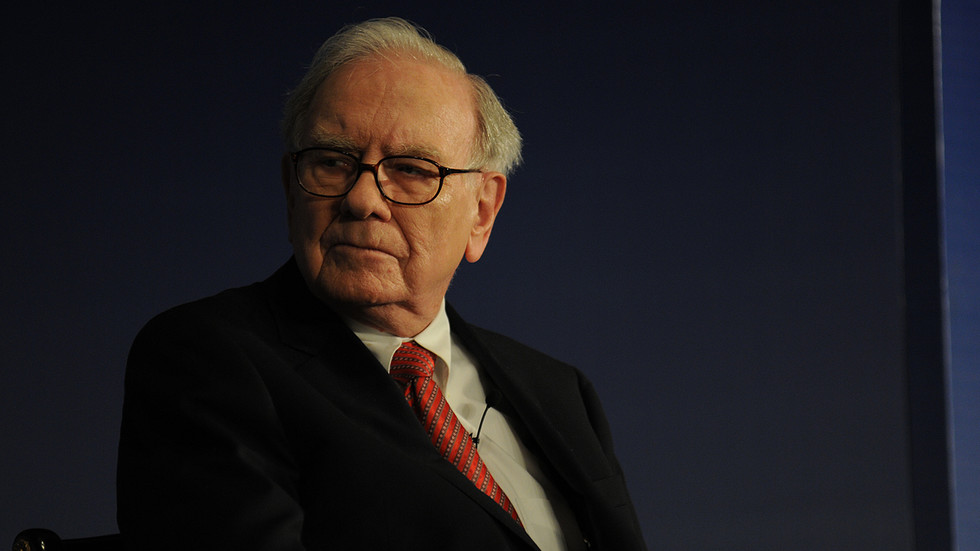
Buffett vs. Trump: The High Stakes of Tariff Tactics
Warren Buffett, the billionaire investor and CEO of Berkshire Hathaway, has publicly criticized former President Donald Trump’s tariff policies, igniting a fierce debate about their economic consequences. Speaking at a recent shareholder meeting, Buffett argued that tariffs harm American businesses and consumers, while Trump maintains they protect domestic industries. This clash between two influential figures highlights the deepening divide over U.S. trade policy and its long-term implications.
The Economic Divide: Buffett’s Critique vs. Trump’s Defense
Buffett, known for his free-market principles, described tariffs as “a tax on consumers” that ultimately weaken the economy. He cited Berkshire Hathaway’s portfolio companies, which faced higher costs due to Trump’s 2018-2019 tariffs on Chinese imports. “When you raise prices on raw materials, every link in the supply chain suffers,” Buffett stated. “The idea that other countries bear the cost is economic fiction.”
In contrast, Trump has consistently defended tariffs as essential tools for protecting American jobs. “The U.S. was being taken advantage of for decades,” Trump responded in a recent interview. “Our tariffs forced China to the negotiating table and brought manufacturing back home.” Data from the U.S. International Trade Commission shows that tariffs on steel and aluminum imports increased domestic production by 12% between 2018-2021.
The Ripple Effects on Businesses and Consumers
Independent studies reveal mixed outcomes from Trump’s tariff policies:
- The U.S. government collected over $80 billion in tariff revenue from 2018-2020
- Consumer prices rose an estimated 0.5% annually due to tariffs, per the Federal Reserve
- Over 300,000 manufacturing jobs were created, but 200,000 were lost in tariff-affected industries
Small business owners like Maria Chen, who runs an Ohio-based appliance parts company, feel caught in the crossfire. “First, our Chinese suppliers raised prices 25%,” Chen explained. “Then customers balked at our markups. We survived, but barely.” Meanwhile, steel producers like U.S. Steel reported record profits during the tariff period.
Expert Perspectives on Trade Policy Alternatives
Economists remain divided on the tariff debate:
Dr. Rebecca Wilkins, trade policy fellow at the Peterson Institute, argues: “Targeted tariffs can work as short-term leverage, but as permanent policy, they distort markets. Buffett is right—the costs eventually cascade through the economy.”
Conversely, Dr. Mark Thurston of the Coalition for a Prosperous America counters: “Strategic tariffs level the playing field against unfair practices like dumping. The key is pairing them with domestic investment, as Trump attempted.”
The Political Dimensions of the Tariff Debate
This economic dispute carries significant political weight as Trump campaigns for reelection. His promise to implement even broader tariffs—up to 10% across all imports—has become a rallying cry. Meanwhile, Buffett’s critique aligns with Democratic concerns about inflation and economic efficiency.
Recent polling shows:
- 52% of Republicans support increased tariffs
- Only 28% of Democrats view tariffs favorably
- Independent voters are evenly split at 41% support
Looking Ahead: The Future of U.S. Trade Policy
As the 2024 election approaches, the Buffett-Trump showdown reflects broader questions about America’s economic direction. Potential scenarios include:
- A return to aggressive tariffs under a second Trump administration
- Bipartisan efforts to reform trade policies with allied nations
- Increased focus on domestic manufacturing subsidies as an alternative
Business leaders and policymakers alike must weigh short-term protection against long-term competitiveness. As Buffett cautioned: “Building walls around our economy might feel strong today, but it leaves us weaker tomorrow.” The coming months will prove decisive in shaping America’s trade landscape for years to come.
For deeper analysis on how tariff policies could affect your investments or business, consider subscribing to our weekly trade policy briefing.
See more Business Focus Insider Team
