
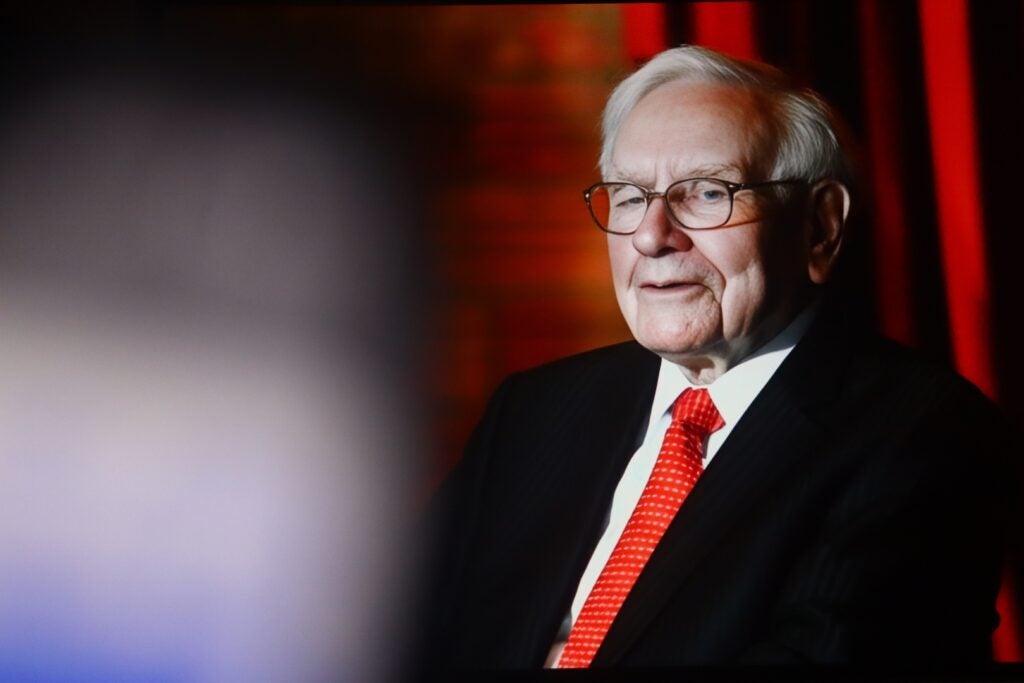
Warren Buffett’s Cautionary Take on Tariffs: A Call for Trade Diplomacy
Investing legend Warren Buffett has issued a stark warning against the escalating use of tariffs as economic weapons, urging global leaders to prioritize trade diplomacy. Speaking at Berkshire Hathaway’s annual meeting in Omaha this week, the 93-year-old billionaire argued that tariffs often backfire, disrupt supply chains, and harm consumers. His comments come as multiple nations consider protective trade measures amid geopolitical tensions.
The Ripple Effects of Tariff Wars
Buffett drew parallels between current trade policies and the disastrous Smoot-Hawley Tariff Act of 1930, which exacerbated the Great Depression. “When you erect walls, you don’t keep problems out—you trap yourself inside,” he remarked. Recent data supports his concerns:
- The U.S. International Trade Commission found Trump-era tariffs cost the economy $68 billion annually
- Federal Reserve research shows tariff costs fell disproportionately on U.S. manufacturers
- EU retaliatory tariffs on American goods reached $3.4 billion in 2023 alone
Dr. Lina Patel, trade economist at Columbia University, explains: “Tariffs function like economic landmines—they might protect one sector temporarily but inevitably damage multiple industries. The auto sector saw this clearly when steel tariffs increased production costs by 15-20%.”
Why Trade Partnerships Outperform Economic Warfare
Buffett emphasized that nations achieve prosperity through economic symbiosis, not zero-sum competition. He cited Berkshire’s investments in China’s BYD and Japan’s trading houses as examples of mutually beneficial relationships. “Trade isn’t baseball where one team wins and another loses,” he said. “When commerce flows freely, both dugouts score runs.”
Historical patterns reinforce this perspective:
- Post-WWII trade expansion correlated with 70 years of unprecedented global GDP growth
- NAFTA increased trilateral trade from $290 billion (1993) to $1.2 trillion (2022)
- U.S. agricultural exports hit record $196 billion in 2022 through trade agreements
The Political Calculus Behind Protectionism
Despite economic evidence, tariffs remain politically appealing. Senator Marco Rubio recently argued: “Strategic tariffs protect critical industries from unfair competition.” The Biden administration maintains steel tariffs for national security reasons, while the EU considers new levies on Chinese EVs.
However, former USTR negotiator Susan Jenkins counters: “Tariffs often become permanent political scaffolding rather than temporary measures. The U.S. still maintains 1930s-era tariffs on some imports.”
Alternative Strategies for Fair Trade
Buffett proposed three diplomatic alternatives to blunt tariff measures:
- Sector-specific agreements: Like the US-EU truce on steel/aluminum tariffs
- Multilateral forums: Strengthening WTO dispute resolution mechanisms
- Investment treaties: Incentivizing cross-border partnerships
ASEAN’s recent digital economy framework demonstrates this approach, projected to add $1 trillion to regional GDP by 2030 through cooperative rules rather than restrictions.
The Path Forward for Global Commerce
As trade tensions simmer between major economies, Buffett’s warning carries particular weight. With 60% of global trade now involving intermediate goods, supply chain disruptions create cascading effects. The IMF estimates that widespread tariff adoption could shrink world GDP by up to 1.4% annually.
Looking ahead, businesses should:
- Diversify supply chains preemptively
- Advocate for industry-specific exemptions
- Invest in trade compliance infrastructure
For policymakers, the challenge lies in balancing legitimate concerns about unfair practices with the reality that economic walls often imprison those who build them. As Buffett concluded: “Prosperity has always flowed along trade routes, never across battle lines.”
Want to stay informed on evolving trade policies? Subscribe to our newsletter for weekly analysis from top economic experts.
See more Business Focus Insider Team
