
Warren Buffett’s Surprising Decision: The End of an Era at Berkshire Hathaway
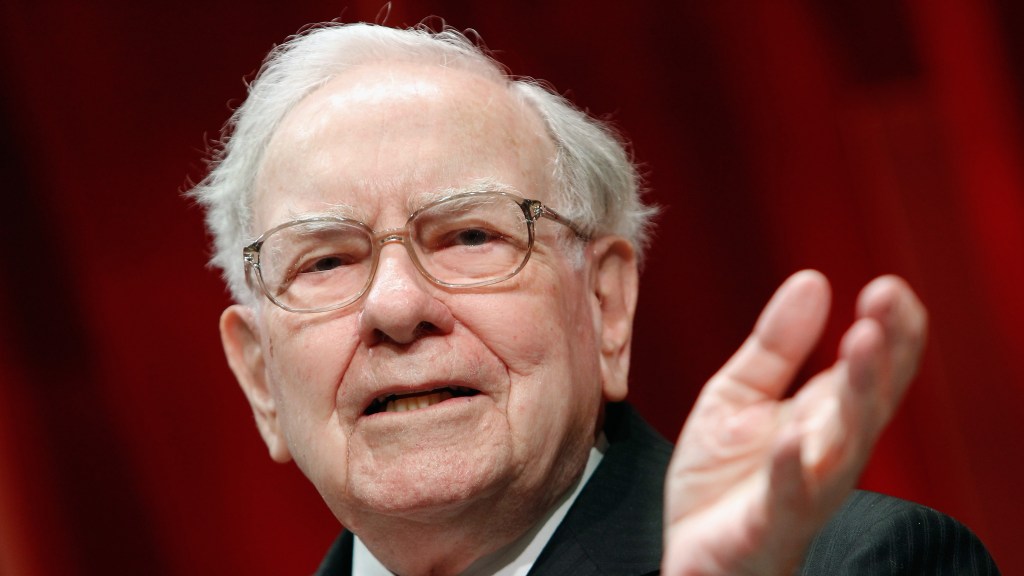
In a move that has sent shockwaves through the financial world, Warren Buffett, the 93-year-old billionaire investor, announced his decision to step down as CEO of Berkshire Hathaway. The revelation, made during the company’s annual shareholder meeting on May 4, 2024, marks the end of a six-decade reign that transformed a struggling textile firm into a $900 billion conglomerate. Buffett cited his advancing age as the primary reason for the transition, though he will remain as Chairman of the Board. The news has sparked intense speculation about Berkshire’s future leadership and investment strategy.
The Legacy of the “Oracle of Omaha”
Buffett, often dubbed the “Oracle of Omaha” for his unparalleled investment acumen, took the helm of Berkshire Hathaway in 1965. Under his leadership, the company’s stock soared by an astonishing 3,800,000%, turning early investors into millionaires and Buffett into a global icon. His value-driven, long-term approach became gospel for generations of investors.
“Warren Buffett didn’t just build a company—he defined an entire philosophy of investing,” said financial historian Margaret Atwood. “His departure isn’t just a CEO change; it’s the closing of a chapter in American capitalism.”
- Berkshire’s market cap: $900 billion (2024)
- Annualized return (1965–2023): 20.1%, vs. S&P 500’s 10.5%
- Notable holdings: Apple, Coca-Cola, American Express, Geico
Who Will Succeed Buffett?
While Buffett has long avoided naming a definitive successor, insiders suggest Greg Abel, 61, currently Vice Chairman of Non-Insurance Operations, is the frontrunner. Abel, who joined Berkshire in 1992, has earned praise for expanding the company’s energy division and aligning with Buffett’s principles. However, some analysts argue the role may require a duo to manage Berkshire’s sprawling empire.
“Greg Abel has the operational chops, but Berkshire’s next CEO must also be a capital allocator on Buffett’s level,” noted Goldman Sachs analyst James Carter. “The board might consider splitting the CEO and CIO roles to mitigate risk.”
Market Reactions and Investor Concerns
Berkshire’s Class A shares dipped 2.3% following the announcement, reflecting investor jitters. Though Buffett assured stakeholders that the company’s “culture is ingrained,” some fear his exit could lead to:
- A shift away from value investing toward trendier strategies
- Pressure to pay dividends or buy back shares aggressively
- Erosion of the “Berkshire premium” tied to Buffett’s persona
However, others see opportunity. “This could push Berkshire to modernize,” argued tech investor Lisa Yang. “They’ve been slow on AI and fintech. New leadership might rebalance the portfolio.”
The Road Ahead for Berkshire Hathaway
Buffett’s departure coincides with challenges atypical during his tenure: soaring interest rates, geopolitical tensions, and a rapidly digitizing economy. His successor will inherit:
- $189 billion in cash: A war chest requiring deployment
- Insurance liabilities: Climate change intensifying risk models
- Public scrutiny: Every decision compared to Buffett’s legacy
Yet Berkshire’s decentralized structure—its 60+ subsidiaries operate independently—may prove its greatest stability anchor. “The machine Buffett built is designed to outlast him,” said Morningstar’s Greggory Warren.
A Broader Industry Shift
Buffett’s exit underscores a generational transition in finance. Over 40% of S&P 500 CEOs are now under 55, per McKinsey data, as firms prioritize digital fluency. Even so, Buffett’s ethos—patience, intrinsic value, and ethical stewardship—remains influential.
“The question isn’t whether Berkshire will survive,” concluded Vanguard’s Sara Raftery. “It’s whether the next era can honor Buffett’s principles while evolving. That’s the trillion-dollar balancing act.”
For ongoing coverage of Berkshire Hathaway’s leadership transition, subscribe to our finance newsletter for exclusive analysis.
See more Business Focus Insider Team
