
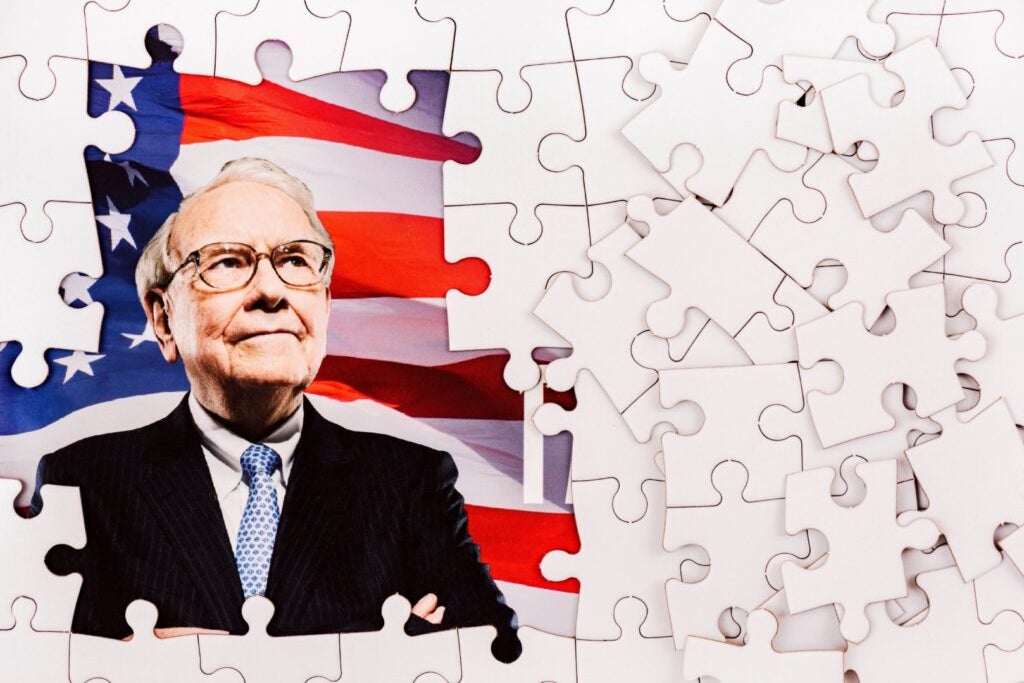
A Legacy Retires: Business Titans Reflect on Warren Buffett’s Departure
Warren Buffett, the 93-year-old billionaire investor and CEO of Berkshire Hathaway, has announced his gradual transition from operational leadership, marking the end of an era in global finance. The news, confirmed at Berkshire’s annual shareholder meeting in Omaha on May 4, 2024, has prompted tributes from tech moguls, corporate leaders, and Wall Street veterans who credit Buffett with reshaping modern investing. His departure signals a pivotal shift for the $880 billion conglomerate and sparks broader conversations about succession planning in an uncertain economic climate.
The Oracle’s Exit: Why Buffett’s Transition Matters
Buffett’s influence extends far beyond Berkshire’s stock portfolio. Over six decades, he transformed a struggling textile company into a diversified empire spanning insurance (GEICO), energy (BHE), and consumer brands (Duracell, Dairy Queen). Under his leadership, Berkshire shares achieved a 20.1% annualized return from 1965-2023, nearly double the S&P 500’s 10.5% during the same period according to Morningstar data.
Apple CEO Tim Cook, whose company became Berkshire’s largest holding, remarked: “Warren redefined value investing by pairing financial discipline with human insight. His willingness to hold through volatility taught us all patience in a short-term world.” Meanwhile, Microsoft co-founder Bill Gates, a longtime bridge partner and philanthropic collaborator, noted Buffett’s unique ability to “see around corners,” referencing his early bets on American Express during the 1963 salad oil scandal.
Leadership Lessons From the Buffett Playbook
As tributes poured in, three recurring themes emerged about Buffett’s legacy:
- Long-Term Thinking: His average holding period of 10+ years contrasted sharply with today’s algorithmic trading
- Radical Transparency: Annual shareholder letters became required reading for CEOs
- Contrarian Conviction: Buying during crises like the 2008 financial meltdown
Mark Cuban highlighted this last trait: “When everyone zigged toward tech hype, Warren zagged toward railroads and Coca-Cola. He proved boring could be brilliant.” Indeed, Berkshire’s 1988 investment in Coca-Cola has grown from $1.3 billion to over $24 billion today.
The Succession Question: Can Berkshire Thrive Post-Buffett?
With Greg Abel designated as CEO-in-waiting, analysts debate whether Berkshire’s decentralized model can maintain its edge. The conglomerate now employs 383,000 people across 70+ subsidiaries. Columbia Business School professor Tanya Ott suggests: “The real test won’t be next quarter, but whether Abel can steward Buffett’s capital allocation philosophy while adapting to climate risk and AI disruption.”
Not all observers are optimistic. Hedge fund manager Doug Kass points to concerning trends:
- Cash reserves dipped to $147 billion in Q1 2024
- Insurance float growth slowed to 4% annually
- Recent acquisitions like Pilot Travel Centers lack Buffett’s typical margin of safety
Buffett’s Cultural Impact Beyond Finance
The “Oracle of Omaha” became a folk hero by embodying paradoxical values—a frugal billionaire living in the same $31,500 house he bought in 1958 while pledging 99% of his wealth to philanthropy. His annual “Woodstock for Capitalists” meetings drew 40,000+ attendees pre-pandemic, mixing investment wisdom with cherry Coke and See’s Candies.
This accessibility fueled unprecedented retail investor engagement. Charles Schwab reported a 317% increase in first-time investors referencing Buffett between 2010-2020. Personal finance guru Suze Orman credits him with “democratizing Wall Street jargon into kitchen-table advice.”
What’s Next for Investors and the Market?
As Buffett reduces his role, market watchers anticipate:
- Increased volatility in Berkshire’s stock (BRK.A), which moved 2.3% on the announcement
- Potential spin-offs of non-core assets as activist investors gain voice
- Renewed focus on Buffett’s philanthropic pledges through the Gates Foundation
Vanguard founder Jack Bogle Jr. cautions against overreaction: “The best tribute would be investors applying his principles—low-cost indexing, emotional discipline—rather than speculating about succession.”
For those seeking to honor Buffett’s legacy, consider rereading his 1999 Fortune article warning about irrational exuberance—a timely reminder as tech valuations again reach historic highs. As the sun sets on one investing giant’s career, the principles he championed may prove more valuable than ever.
See more Business Focus Insider Team
