
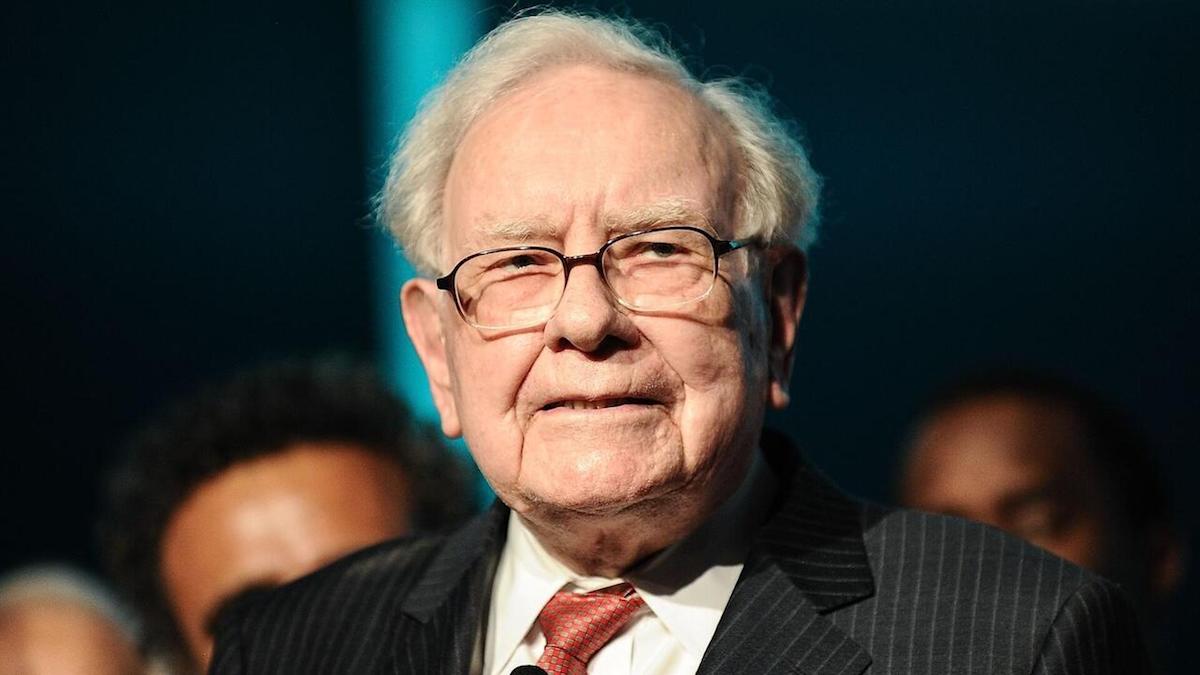
Warren Buffett’s Legacy: The Transition of Power at Berkshire Hathaway
Warren Buffett, the 93-year-old billionaire investor, will step down as CEO of Berkshire Hathaway after six decades at the helm, marking the end of an era for the $880 billion conglomerate. Greg Abel, 61, currently vice chairman of non-insurance operations, will succeed Buffett in a carefully planned leadership transition announced on May 4, 2024. The move signals a new chapter for the Omaha-based firm as it navigates evolving market challenges while preserving Buffett’s value-driven philosophy.
The End of an Investment Dynasty
Buffett’s departure closes one of the most remarkable runs in corporate history. Since taking control in 1965, he transformed a struggling textile manufacturer into the world’s seventh-largest public company, delivering 20.1% annualized returns—nearly double the S&P 500’s 10.5% during the same period. Under his leadership, Berkshire grew to own:
- 60+ wholly owned subsidiaries including Geico, BNSF Railway, and Dairy Queen
- $350 billion stock portfolio featuring Apple, Bank of America, and Coca-Cola
- $147 billion cash reserves as of Q1 2024
“This isn’t just a CEO change—it’s the passing of the torch from America’s most successful capital allocator,” said financial historian Margaret Atwood. “Buffett didn’t just build wealth; he created an entirely new approach to long-term value investing.”
Greg Abel: The Heir Apparent
Abel, a Canadian-born executive who joined Berkshire in 1992 through subsidiary MidAmerican Energy, emerged as the clear successor after Charlie Munger’s 2021 endorsement. His operational expertise contrasts with Buffett’s investment focus, reflecting Berkshire’s evolution toward decentralized management.
Key facts about Abel:
- Architected Berkshire’s $30 billion renewable energy push
- Grew Berkshire Hathaway Energy’s profits 12-fold since 2000
- Known for hands-on leadership with 80+ hour work weeks
“Greg doesn’t try to be Warren—he brings disciplined execution to Berkshire’s sprawling operations,” noted Morningstar analyst Greggory Warren. “His challenge will be maintaining cultural continuity while putting his own stamp on the company.”
Market Reactions and Investor Concerns
Berkshire’s Class A shares dipped 1.2% post-announcement, reflecting typical leadership transition jitters. However, most analysts remain bullish given Berkshire’s fortress balance sheet and Abel’s proven track record.
Potential challenges for the new CEO:
- Deploying Berkshire’s massive cash pile in a high-valuation market
- Managing expectations from Buffett’s cult-like following
- Modernizing the firm’s tech infrastructure while preserving its lean culture
“The real test comes when Abel makes his first major capital allocation decision without Buffett’s input,” warned Vanguard portfolio manager Sarah Becker. “That’s when markets will truly assess his leadership.”
The Future of Berkshire’s Investment Philosophy
While Abel will handle operations, investment managers Todd Combs and Ted Weschler will likely expand their roles in portfolio management. The trio represents a shift toward team-based decision-making—a stark contrast to Buffett’s iconic solo stock-picking.
Notable changes investors might see:
- Increased investments in renewable energy and infrastructure
- More technology sector exposure beyond Apple
- Potential share buybacks if market opportunities dwindle
Buffett will remain as chairman during the transition, ensuring what he calls “an orderly passing of the baton.” His annual shareholder letters and appearances at the Omaha meeting will continue, albeit in an advisory capacity.
Berkshire’s transition comes as active managers face unprecedented challenges from index funds and algorithmic trading. The firm’s sheer size—representing 1.5% of the S&P 500—means Abel’s decisions will ripple across markets.
Critical questions moving forward:
- Can Berkshire maintain its premium valuation without Buffett’s personal brand?
- Will the “Oracle of Omaha” culture survive generational change?
- How will Abel differentiate his strategy in an era of higher interest rates?
As investors digest this seismic shift, one truth remains: Berkshire Hathaway stands at a crossroads between preserving its legendary past and forging a sustainable future. For those tracking this evolution, the 2025 shareholder meeting will offer the first clear glimpse of Abel’s Berkshire 2.0—making it essential viewing for value investors worldwide.
See more Business Focus Insider Team
