
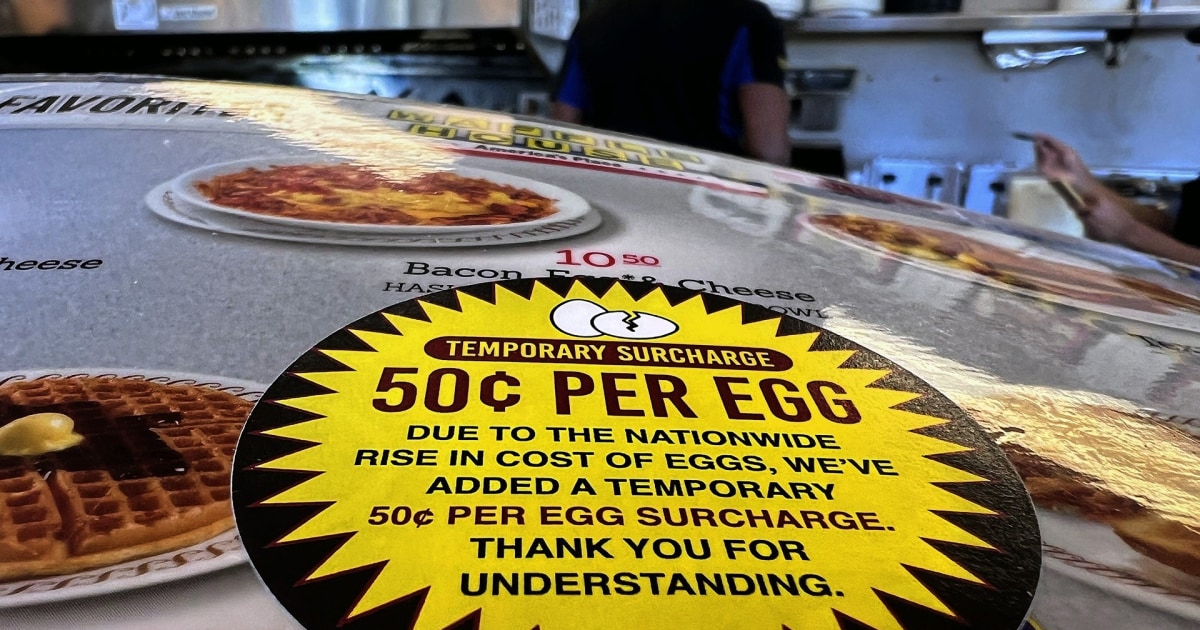
Waffle House Introduces Controversial 50-Cent Egg Surcharge: What It Means for Diners
Waffle House, the beloved diner known for its round-the-clock breakfast and comforting atmosphere, has recently made headlines with its decision to implement a 50-cent surcharge on eggs. This move has ignited debates among diners and industry analysts about the implications of rising food costs and how this affects customer loyalty. As inflation continues to challenge the restaurant industry, it’s crucial to examine what this surcharge truly means for both the company and its patrons.
Understanding the 50-Cent Egg Surcharge
The introduction of a 50-cent surcharge on eggs at Waffle House has come as a surprise to many loyal customers. Eggs, a staple in their extensive breakfast menu, have been a key item for diners looking for a hearty meal. The surcharge is indicative of the broader economic climate affecting food prices, driven by supply chain disruptions and increased production costs.
As diners are experiencing rising costs in various sectors, from groceries to dining out, Waffle House’s decision is a reflection of the reality many restaurants face today. The surcharge is designed to help offset the higher prices that suppliers are charging for eggs, which have seen significant price increases in recent months. This adjustment not only affects the bottom line of the restaurant but also aims to keep the quality of food consistent for its customers.
Impacts on Customers: What Diners Need to Know
For frequent patrons of Waffle House, the 50-cent egg surcharge could alter their dining experience in several ways:
- Increased Meal Costs: While 50 cents may seem minimal, for regular customers ordering multiple egg dishes, these costs can add up. Diners may need to reconsider their typical orders or frequency of visits.
- Customer Loyalty: Long-term patrons may feel discontented with additional costs. On the flip side, some may understand the necessity of such measures in the current economic climate, leading to a mixed response.
- Menu Adjustments: Some diners might explore alternative menu items that do not include eggs, seeking to avoid the surcharge altogether.
The Bigger Picture: Economic Trends in the Food Industry
The egg surcharge at Waffle House doesn’t exist in a vacuum. It’s part of a larger trend in the food industry where prices are being adjusted in response to supply chain issues and inflation. Here are some factors contributing to this phenomenon:
- Supply Chain Disruptions: The COVID-19 pandemic has had lasting effects on supply chains, causing delays and increased costs for many food items, including eggs.
- Rising Feed Costs: The cost of feed for poultry has surged, directly impacting egg prices. Farmers are facing challenges that trickle down to consumers.
- Inflation: General inflation rates have risen, affecting everything from utilities to labor costs within the restaurant sector.
Waffle House’s Approach to Customer Engagement
Waffle House has built a reputation for its customer-centric approach, often engaging with diners to ensure their needs are met. In light of this new surcharge, how they communicate this change will be critical in maintaining customer loyalty. Here are some strategies that could be beneficial:
- Transparency: Clearly communicating the reasons behind the surcharge can help customers understand the necessity of such changes.
- Promotions or Discounts: Offering limited-time promotions or discounts on certain meals could soften the impact of the surcharge.
- Feedback Channels: Encouraging customers to provide feedback on their dining experience could foster a sense of community and loyalty.
Alternatives and Adjustments in Dining Habits
As food prices continue to fluctuate, many diners are exploring alternatives to traditional dining experiences. Here are a few trends that may emerge as a response to the egg surcharge:
- Home Cooking: With rising dining costs, some individuals may choose to prepare meals at home, particularly breakfast items that include eggs.
- Meal Prepping: The trend of meal prepping is gaining popularity, allowing individuals to plan their meals in advance, thereby reducing spontaneous dining expenses.
- Exploring Other Eateries: Diners may find themselves exploring other restaurants that offer similar breakfast options without surcharges.
The Future of Dining: A Shift in Consumer Expectations
The introduction of the 50-cent egg surcharge is not just a pricing strategy; it reflects a shift in consumer expectations and dining habits. As patrons become increasingly aware of the economic factors affecting their meals, they may also expect greater value and quality in their dining experiences. Here are some potential outcomes:
- Increased Demand for Transparency: Consumers are likely to expect more transparency in pricing, wanting to know how their money is being spent.
- Focus on Value: Diners may gravitate towards establishments that offer perceived value for their money, whether through portion sizes, quality ingredients, or customer service.
- Community Engagement: Restaurants that engage with their communities and highlight local sourcing of ingredients may find a loyal customer base willing to support them despite price increases.
Waffle House’s decision to implement a 50-cent egg surcharge is a reflection of the current challenges faced by the food industry. While this move may create discomfort among some patrons, it also opens a dialogue about the realities of food pricing and the sustainability of dining establishments. As diners navigate this new landscape, they will likely weigh their options, seeking value and quality in their dining experiences. How Waffle House responds to customer feedback and adjusts its offerings in the future will play a critical role in shaping its relationship with its loyal customer base.
Ultimately, the 50-cent egg surcharge is more than just an increase in price; it symbolizes the broader changes occurring within the restaurant industry and the evolving expectations of consumers. As both diners and industry leaders adapt, the focus will remain on quality, transparency, and community engagement in the face of economic challenges.
See more Business Focus Insider Team
