
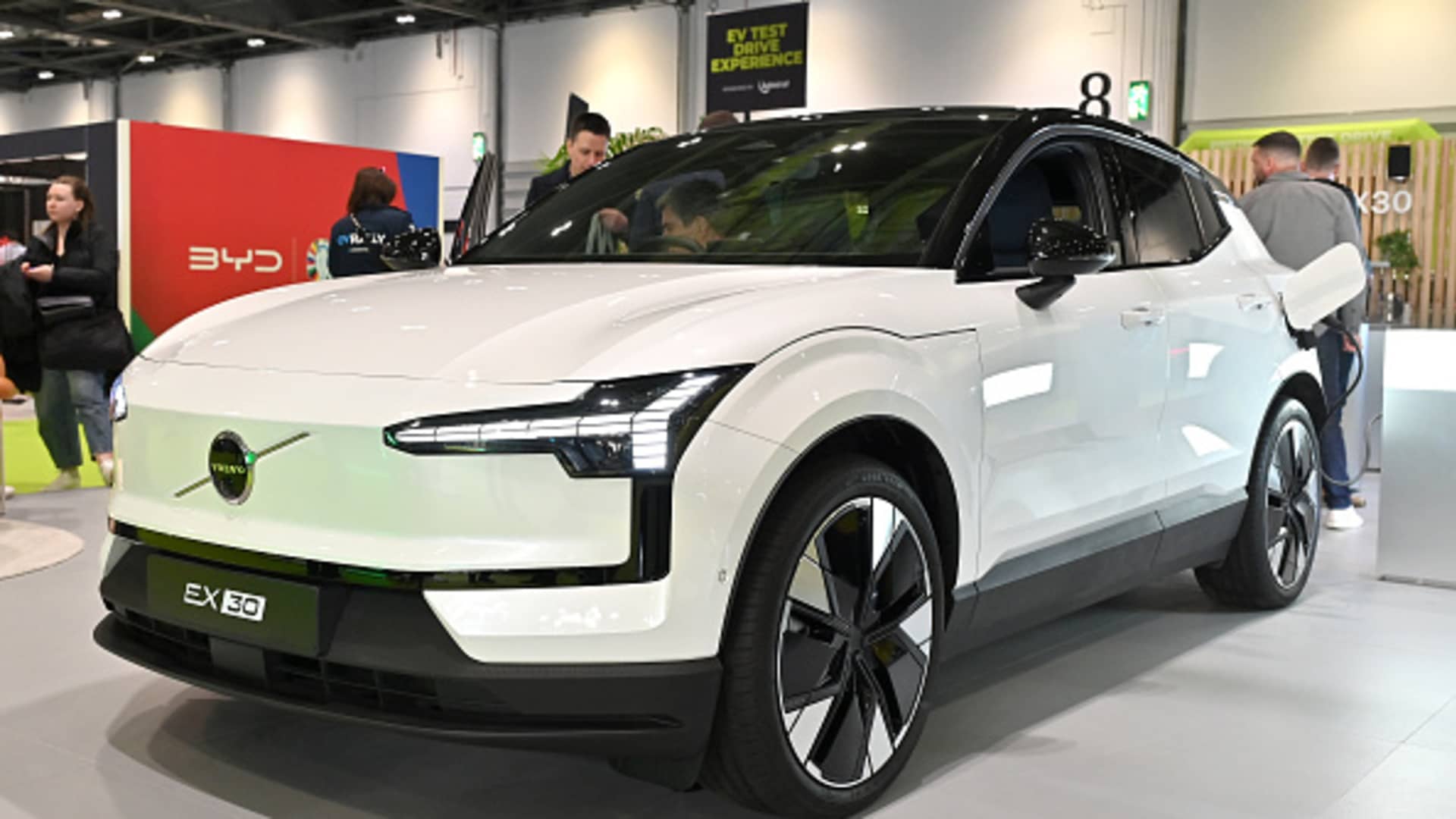
Volvo Cars Faces Crucial Decision Amidst Tariff Pressures
As the global economy continues to shift, Volvo Cars faces crucial decision amidst tariff pressures and intensifying competition in China. This pivotal moment for the Swedish automotive manufacturer highlights the intricacies of global trade dynamics and the pressing need for strategic adaptability in a rapidly evolving market landscape.
The Context of Tariff Pressures
In recent years, trade tensions have escalated, particularly between major economies like the United States and China. Tariffs—taxes imposed on imported goods—have a direct impact on the cost of production and ultimately, the pricing strategy of companies like Volvo. For a brand that prides itself on quality and innovation, managing these external pressures is not merely a financial concern but also a matter of maintaining its reputation and market share.
The automotive industry is particularly vulnerable to tariff fluctuations. For instance, if tariffs on parts imported from specific countries rise, the cost of production can skyrocket. This scenario has forced many companies to reconsider their supply chain strategies and production locations. Volvo, which has significant operations in both Europe and China, is currently weighing its options to mitigate these risks.
Intensifying Competition in China
China represents one of the largest automotive markets in the world, and its importance to Volvo cannot be overstated. However, the competition in this market has become fiercer. Domestic brands like BYD, NIO, and Geely are not only capturing market share but also pushing the envelope in terms of innovation and technology.
Volvo’s unique selling proposition has always been its commitment to safety and sustainability. Yet, as more competitors introduce electric vehicles (EVs) and enhance their technological capabilities, Volvo must respond swiftly to maintain its competitive edge. The growing trend towards electrification in the Chinese market, fueled by government incentives and consumer demand, means Volvo needs to enhance its EV offerings significantly.
Potential Strategies for Volvo
To navigate these challenges, Volvo Cars is considering several strategic options:
- Localizing Production: One of the most viable strategies is to localize production in China. By establishing more manufacturing facilities within the country, Volvo can reduce the impact of tariffs on imported components. This move would not only lower costs but also align with the Chinese government’s push for local production.
- Enhancing Electric Vehicle Lineup: With the increasing demand for EVs, expanding their electric vehicle lineup could solidify Volvo’s position in the market. This includes investing in research and development to create more efficient and appealing electric models.
- Collaborations and Partnerships: Forming alliances with local companies for technology sharing and co-development could enhance Volvo’s offerings. Collaborations may facilitate access to cutting-edge technology and a deeper understanding of local consumer preferences.
- Strengthening Brand Identity: As competition intensifies, Volvo must reinforce its brand identity centered on safety, sustainability, and innovation. Marketing campaigns that emphasize these attributes can help differentiate Volvo from its competitors.
The Importance of Adaptability
In a landscape marked by volatility, adaptability is key. Volvo Cars faces crucial decisions that could significantly alter its trajectory. The ability to pivot in response to external pressures such as tariffs and competition will define its success in the coming years. The company’s leadership must not only assess the financial implications of their decisions but also consider how these strategies align with Volvo’s long-term vision of becoming a leader in sustainable mobility.
Consumer Preferences and Market Trends
Understanding consumer preferences is another critical component in this equation. Chinese consumers are increasingly leaning towards environmentally friendly vehicles, and Volvo’s commitment to electrification is a step in the right direction. However, it’s essential for Volvo to conduct thorough market research to gauge consumer sentiment and adjust its strategies accordingly.
Market trends show that consumers are also interested in advanced technology features such as autonomous driving capabilities and connected vehicle systems. By investing in these areas, Volvo can cater to the demands of tech-savvy consumers and maintain its competitive edge.
Conclusion: A Forward-Looking Perspective
In conclusion, as Volvo Cars faces crucial decisions amidst tariff pressures and intensifying competition in China, the company’s future hinges on its strategic choices. By localizing production, enhancing its electric vehicle lineup, forming strategic partnerships, and strengthening its brand identity, Volvo can navigate these challenges effectively.
While the road ahead is fraught with uncertainties, the outlook remains optimistic. If Volvo can harness its legacy of safety and innovation while adapting to the changing market landscape, it has the potential not only to survive but to thrive in one of the world’s most competitive automotive markets.
As the global automotive industry evolves, the decisions made by Volvo Cars today will undoubtedly shape its future, ensuring that it remains a formidable player in the ever-changing arena of automotive manufacturing.
See more Business Focus Insider Team
