
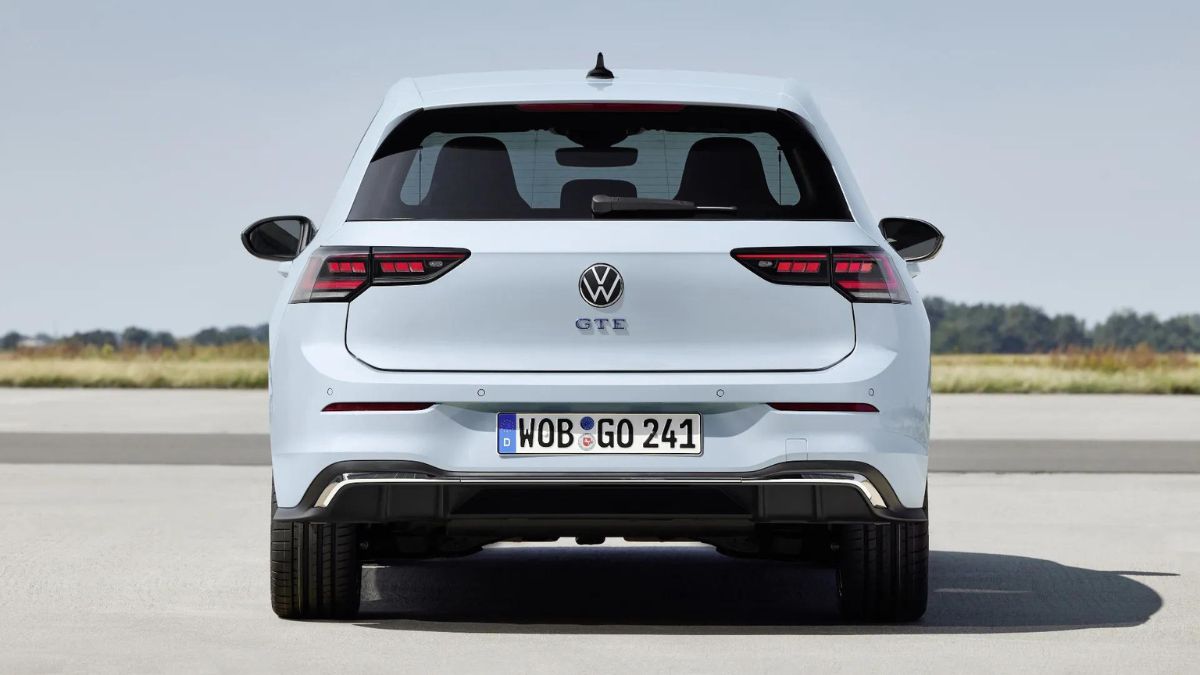
Volkswagen’s Strategic Shift: Phasing Out Unprofitable Models
In the highly competitive automotive industry, agility and strategic foresight are vital for sustained success. Volkswagen, one of the largest car manufacturers globally, is embarking on a significant strategic shift by phasing out unprofitable models from its lineup. This bold move not only aims to enhance profitability but also reflects a broader trend within the automotive sector toward streamlining operations and focusing on core competencies.
The Rationale Behind Volkswagen’s Strategic Shift
The decision to discontinue less lucrative models is driven by several factors:
- Market Dynamics: The automotive landscape is changing rapidly, with consumers increasingly leaning towards electric vehicles (EVs) and more sustainable options. Volkswagen recognizes the need to adapt to these preferences, which necessitates reallocating resources away from models that do not align with future trends.
- Profit Margins: Many of Volkswagen’s less popular models have struggled to achieve satisfactory profit margins. By focusing on their most successful and profitable lines, such as the ID. series of electric vehicles, Volkswagen can enhance its overall financial health.
- Environmental Regulations: Stricter emissions regulations worldwide compel automakers to innovate and invest in greener technologies. Phasing out less efficient models allows Volkswagen to concentrate on developing advanced technologies that meet or exceed these regulatory standards.
Implications of the Shift
This strategic shift has several implications for Volkswagen and the automotive industry at large:
- Streamlined Operations: By focusing on profitable models, Volkswagen can streamline its operations, reducing complexity in manufacturing and supply chains. This simplification can lead to significant cost savings and improved production efficiency.
- Increased Investment in EVs: The resources saved from discontinuing unprofitable models can be redirected toward research and development in electric and hybrid vehicles. This investment is crucial as Volkswagen seeks to position itself as a leader in the electric vehicle market.
- Brand Reputation: Shifting focus towards more successful models can enhance Volkswagen’s brand reputation. As consumers become more environmentally conscious, aligning the brand with sustainable practices can foster customer loyalty and attract new buyers.
Identifying the Models at Risk
As part of this strategic shift, Volkswagen has begun evaluating which models are underperforming. Potential candidates for discontinuation include:
- Compact Cars: While traditionally popular, many compact models have seen declining sales as consumers gravitate towards SUVs and crossovers, which offer more space and versatility.
- Entry-Level Sedans: With the rise of ride-sharing services and increasing urbanization, the demand for entry-level sedans has waned. Volkswagen may choose to phase out these models in favor of more lucrative options.
- Gasoline-Powered Vehicles: As the world shifts towards electrification, models that solely rely on gasoline engines may become obsolete. Volkswagen’s commitment to sustainability will likely mean a reduced focus on these vehicles.
Customer Reactions and Market Response
Customer reactions to Volkswagen’s strategic shift are mixed. Some consumers express concern about the loss of familiar models that have been staples of the brand. However, many are optimistic about the focus on electric vehicles and advanced technologies. The market response has also been largely positive, with analysts noting that this move could position Volkswagen more favorably against competitors who are also pivoting towards electrification.
Future Prospects for Volkswagen
The future looks promising for Volkswagen as it embraces this strategic shift. The company has set ambitious goals for the next decade:
- Leading the EV Market: Volkswagen has committed to launching numerous electric models in the coming years, aiming to become one of the top providers of electric vehicles worldwide.
- Carbon Neutrality: The automaker has outlined plans to achieve carbon neutrality across its entire production process, which aligns with global trends towards sustainability.
- Innovative Technologies: Investments in autonomous driving and connected vehicle technologies are also on the horizon, positioning Volkswagen as a tech-forward brand.
Conclusion: A Strategic Rebirth
Volkswagen’s decision to phase out unprofitable models marks a pivotal moment in its corporate strategy. By streamlining its offerings and focusing on more lucrative and sustainable ventures, the company is not just looking to improve its bottom line but also to adapt to the evolving demands of the automotive landscape.
This strategic shift signals a rebirth for Volkswagen, one that embraces modern challenges and opportunities. As the automotive industry continues to evolve, Volkswagen’s proactive approach may well set the standard for how traditional automakers can successfully navigate the complexities of today’s market while ensuring long-term growth and sustainability.
In summary, Volkswagen’s strategic shift toward phasing out unprofitable models is a commendable move aimed at enhancing profitability and aligning with future market trends. This decision not only reflects a commitment to sustainability and innovation but also positions the company to thrive in an increasingly competitive landscape.
See more Business Focus Insider Team
