
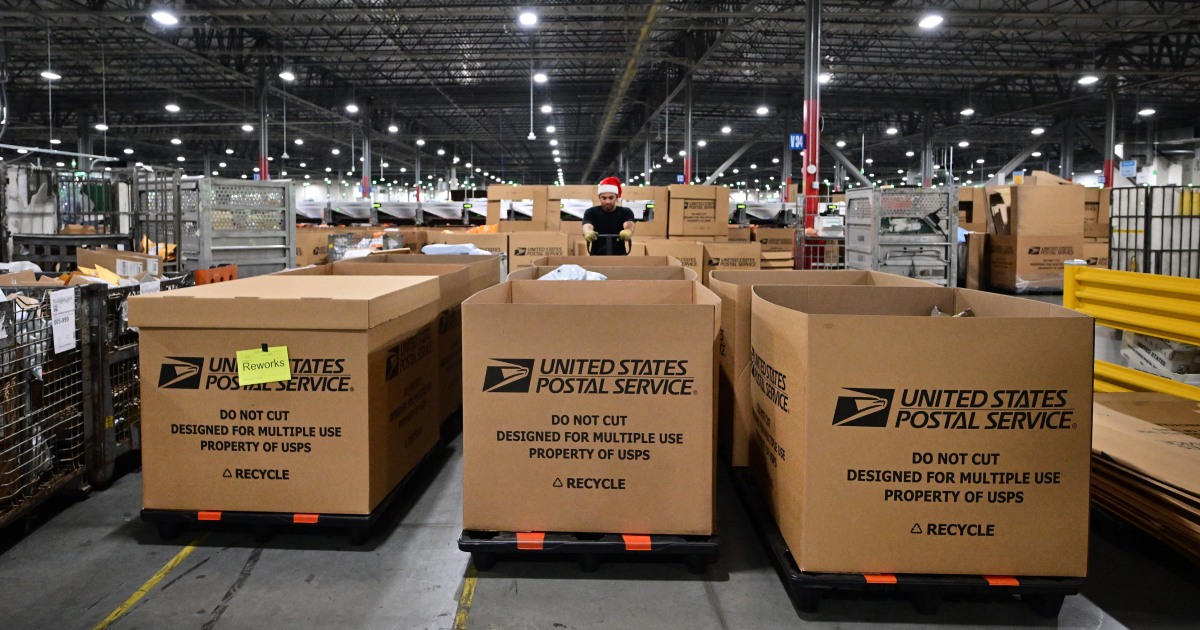
USPS Halts Inbound Package Deliveries from China and Hong Kong: Overview of the Situation
The United States Postal Service (USPS) has recently announced a temporary suspension on certain inbound package deliveries from China and Hong Kong. This decision has raised eyebrows across the globe, particularly among consumers and businesses that rely heavily on international trade. As shipping logistics come under scrutiny, it’s crucial to unpack what this suspension means for individuals and enterprises alike.
What Led to the USPS Suspension?
The USPS decision to halt inbound package deliveries is primarily driven by ongoing challenges in logistics and supply chain management exacerbated by the COVID-19 pandemic and geopolitical tensions. The surge in online shopping during the pandemic led to increased volumes of packages, straining shipping resources. Furthermore, regulatory measures and health concerns have added layers of complexity to international shipping operations.
Specifically, the USPS cited issues related to:
- Increased Delivery Times: With the influx of parcels, some packages have faced significant delays, leading to customer dissatisfaction.
- Health and Safety Regulations: Ongoing health concerns have prompted heightened scrutiny and restrictions on international shipments.
- Geopolitical Factors: Tensions between the U.S. and China have also influenced shipping policies, leading to increased barriers for imports.
Impact on Consumers and Businesses
The suspension of inbound package deliveries from China and Hong Kong has far-reaching implications. Here’s what consumers and businesses need to consider:
For Consumers
With this suspension, consumers may experience:
- Delayed Shipments: Many products purchased online from Chinese and Hong Kong retailers may now take longer to arrive or may not arrive at all.
- Price Increases: Limited supply chains can lead to increased shipping costs, which may be passed on to consumers.
- Limited Product Availability: Certain products, especially electronics and fashion items, that are typically sourced from these regions may become scarce.
For Businesses
Businesses, particularly small and medium-sized enterprises (SMEs), may face challenges such as:
- Supply Chain Disruptions: Companies reliant on imported goods may struggle to maintain inventory levels, affecting sales and customer satisfaction.
- Increased Operational Costs: Businesses may need to seek alternative suppliers or shipping methods, often at a higher cost.
- Market Competitiveness: Firms that cannot adapt quickly may lose market share to competitors who source locally or find alternative suppliers.
The Future of Cross-Border Shipping
As the USPS halts inbound package deliveries from China and Hong Kong, many are left wondering what the future holds for cross-border shipping. Here are some potential developments to keep an eye on:
1. Evolving Shipping Regulations
With ongoing changes in global trade dynamics, companies should prepare for evolving shipping regulations. The USPS, along with other postal services worldwide, may implement stricter guidelines for international shipments, emphasizing safety and security.
2. Shift Towards Local Sourcing
In light of these disruptions, businesses may increasingly consider local sourcing options to mitigate risks associated with international shipping. This could foster growth in domestic industries and reduce dependency on overseas suppliers.
3. Technological Innovations
As logistics challenges mount, the adoption of technology in the shipping industry is likely to accelerate. Innovations such as blockchain for tracking shipments, drones for delivery, and AI for inventory management could enhance efficiency and reliability in cross-border logistics.
Staying Informed and Prepared
For those impacted by the USPS suspension, staying informed is key. Here are some steps to take:
- Monitor Updates: Keep an eye on USPS announcements and updates regarding the resumption of services.
- Explore Alternative Shipping Options: Consider working with alternative logistics companies or exploring different sourcing strategies.
- Communicate with Suppliers: Maintain open lines of communication with suppliers to understand their capabilities and any potential delays.
Conclusion
The USPS halting inbound package deliveries from China and Hong Kong represents a significant shift in international shipping dynamics. While this change may pose challenges for consumers and businesses alike, it also opens the door for adaptation and innovation within the logistics sector. By staying informed and proactive, stakeholders can navigate these changes and emerge resilient in the face of evolving global trade landscapes. As we look to the future, it’s essential to embrace flexibility and creativity in sourcing and supply chain management.
In summary, while the USPS suspension may feel like a setback, it also presents an opportunity for transformation that could benefit both consumers and businesses in the long run. By understanding the implications and preparing accordingly, we can move forward with optimism and adaptability in this ever-changing world of international trade.
See more Business Focus Insider Team
