
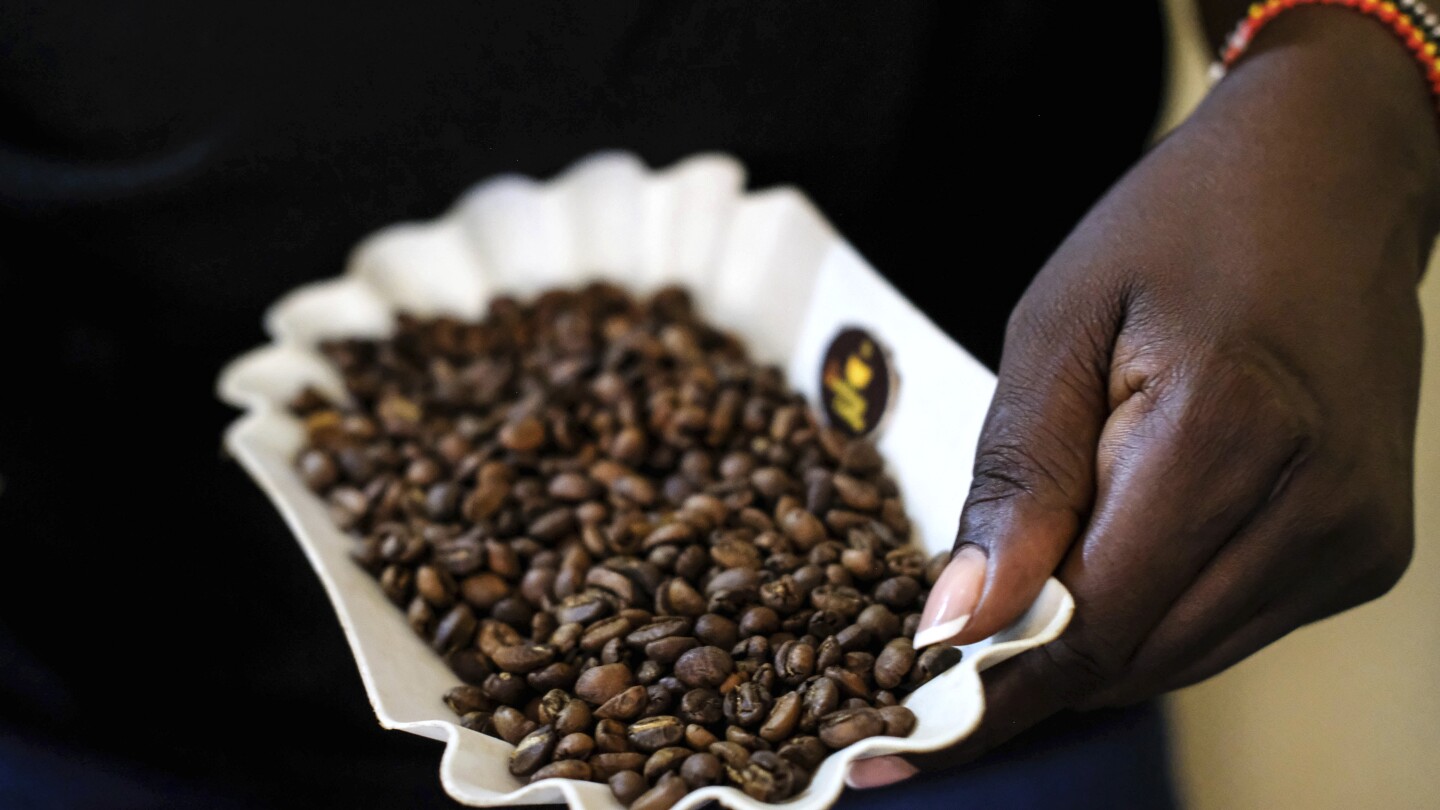
Brewing Change: How Uganda’s Sisterhood is Transforming Coffee Production
In the lush highlands of Uganda, a quiet revolution is unfolding as women coffee farmers unite to challenge gender barriers in the industry. The Uganda Women’s Coffee Alliance (UWCA), formed in 2019, now empowers over 5,000 female growers through training, collective bargaining, and leadership development. These pioneers are increasing yields by up to 40% while fighting cultural norms that traditionally excluded women from land ownership and profit participation.
The Roots of Inequality in Uganda’s Coffee Sector
Despite producing Africa’s second-largest coffee output (8.3 million 60kg bags in 2022), women historically received less than 30% of the profits, according to Uganda Coffee Development Authority data. Cultural practices often prevented women from owning land or accessing credit, limiting their roles to unpaid family labor.
“My husband sold our coffee harvest without consulting me for 15 years,” recounts Sarah Nalwoga, a UWCA member from Masaka District. “Now our group teaches husbands that when women control income, children’s school fees get paid first.”
The Sisterhood’s Four-Pronged Strategy
The UWCA’s approach combines practical solutions with systemic change:
- Technical Training: Workshops on specialty coffee cultivation have increased members’ yields from 1.5kg to 3kg per tree
- Financial Literacy: 72% of members now independently manage bank accounts versus 11% in 2018
- Market Access: Direct export partnerships bypass middlemen, boosting incomes by 60-80%
- Leadership Development: 14 women now serve on previously all-male cooperative boards
Breaking the Glass Ceiling in Coffee Value Chains
Dr. Amina Zawedde, agricultural economist at Makerere University, explains: “Women’s groups are flipping the script. By controlling processing and export stages, they capture up to 70% of the value instead of 20% as mere growers.” This shift is evident in UWCA’s premium “Sister’s Brew” line, now stocked by European specialty retailers.
However, challenges persist. Patriarchal resistance surfaces when women gain economic independence. “Some men initially mocked our meetings,” says UWCA regional coordinator Grace Mbabazi. “But when they saw new school roofs and healthcare payments, the laughter stopped.”
Data-Driven Success Stories
A 2023 impact study revealed compelling results:
- Member households now spend 47% more on children’s education
- Domestic violence reports decreased by 38% in participating communities
- Women-led farms show 22% lower climate vulnerability through soil conservation techniques
“We’re not just growing coffee,” explains farmer Beatrice Kukundakwe while pruning trees in Kibale. “We’re growing futures. My daughter studies agricultural science instead of marrying at 16.”
The Road Ahead: Scaling Up Women’s Coffee Empowerment
With global demand for ethically sourced coffee rising (projected $155B market by 2027), UWCA plans to expand its model nationwide. Partnerships with USAID and Fairtrade International aim to triple membership by 2026. Emerging initiatives include:
- Youth training programs to ensure intergenerational knowledge transfer
- Solar-powered processing units to reduce women’s fuelwood burdens
- Digital traceability systems proving women’s contribution to premium products
As international buyers increasingly value gender-equitable supply chains, Uganda’s coffee sisterhood demonstrates how empowering women farmers creates ripple effects beyond economics. Their aromatic beans now carry the taste of changed lives and challenged traditions.
To support this movement, consumers can look for UWCA-certified coffees or contribute to vocational training programs through reputable development organizations.
See more Business Focus Insider Team
