
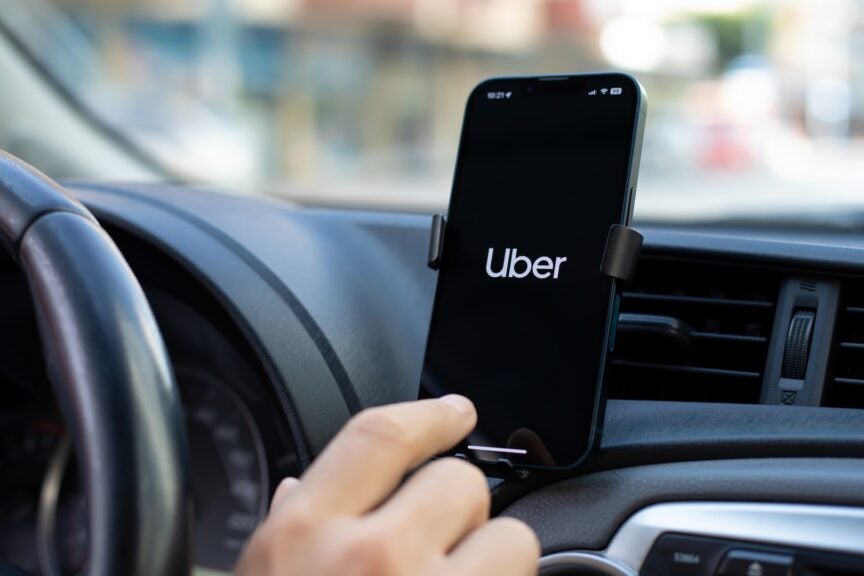
Uber’s Path to Dominance in the Robo-Taxi Market
Uber Technologies Inc. is positioned to dominate the emerging robo-taxi industry, with analysts forecasting a 75% surge in profitability as autonomous ride-hailing reduces operational costs. The San Francisco-based company, which revolutionized urban mobility, now eyes a driverless future where technology could slash fares by up to 40% while expanding margins. Industry observers suggest this transition may occur within 5-7 years as Uber accelerates partnerships with autonomous vehicle (AV) developers and refines its platform economics.
The Economics of Autonomous Ride-Hailing
According to McKinsey & Company, removing human drivers could reduce Uber’s cost per mile from $2.50 to $1.50 by 2030. The savings stem from eliminating:
- Driver wages and benefits (currently 60-70% of ride costs)
- Human error-related insurance premiums
- Vehicle downtime during shift changes
“Uber’s platform already has the network effect – 137 million monthly active users globally,” notes transportation analyst Rachel Tan of Bernstein Research. “When you combine that with AV technology, their unit economics could become the envy of the industry.” The company’s latest earnings report shows a 14% year-over-year increase in gross bookings, reaching $37.6 billion, signaling strong demand elasticity.
Strategic Partnerships Accelerating Progress
Uber has forged critical alliances to bridge the AV technology gap:
- Waymo Collaboration: 10-year agreement to integrate Waymo’s autonomous vehicles in Phoenix
- Aurora Innovation: Strategic partnership for self-driving truck development
- Motional: Pilot program for autonomous food delivery in California
“These partnerships demonstrate Uber’s asset-light approach,” explains AV industry consultant Mark Patterson. “Rather than spending billions developing proprietary technology, they’re leveraging best-in-class solutions while focusing on their core competency – demand generation and routing efficiency.” Uber CEO Dara Khosrowshahi recently stated the company aims to have “thousands” of autonomous vehicles on its network by 2030.
Regulatory Hurdles and Public Perception Challenges
Despite the optimistic projections, significant barriers remain:
- Only 22 U.S. states currently permit fully autonomous vehicle testing
- NHTSA reports 43% of Americans remain “uncomfortable” with self-driving technology
- Municipalities may impose new taxes or restrictions on autonomous fleets
Transportation safety advocate Lisa Chen cautions: “The rush to autonomy must be balanced with rigorous safety standards. We’ve seen tragic incidents with semi-autonomous systems, and regulators must ensure proper safeguards are in place before widespread deployment.” Uber’s own AV program suffered setbacks after a fatal 2018 crash in Arizona, though the company has since implemented more stringent safety protocols.
Investment Implications and Market Impact
Wall Street has taken notice of Uber’s potential transformation. Morgan Stanley upgraded Uber stock to “overweight” last quarter, citing the robo-taxi opportunity. Key financial considerations include:
- Projected 30-40% operating margin for autonomous rides vs. current 10-15%
- $5 trillion total addressable market for mobility services by 2030 (ARK Invest)
- Potential for Uber to capture 20-25% of U.S. robo-taxi market share (Guidehouse Insights)
However, competition looms from Tesla’s planned robotaxi network and traditional automakers like GM’s Cruise. “The first-mover advantage matters, but execution will determine the ultimate winner,” suggests investment strategist David Wu. “Uber’s data advantage from billions of completed trips gives them unique insights into demand patterns that pure AV tech companies lack.”
The Future of Urban Mobility
As cities grow increasingly congested, autonomous ride-hailing could reshape urban landscapes:
- Reduced parking demand (up to 30% less space needed in dense urban cores)
- Integration with public transit as first/last mile solution
- Potential decrease in private vehicle ownership among millennials and Gen Z
Urban planner Javier Mendez observes: “If Uber executes well, we could see a fundamental shift in transportation habits. Their app already changed how people move; autonomous vehicles might complete that transformation.” Pilot programs in Dallas and Miami show promising early adoption rates, with 72% of users reporting they’d use robo-taxis regularly if priced competitively.
What Comes Next for Uber and the Industry?
The road to autonomy won’t be without bumps. Uber must navigate technological limitations, regulatory scrutiny, and potential union opposition as driver jobs evolve. Yet the financial upside appears substantial – analysts estimate that achieving just 10% autonomous penetration could add $15-20 billion to Uber’s market capitalization.
For investors monitoring this space, key milestones to watch include:
- Expansion of Waymo partnership to 3+ additional markets by 2025
- Demonstration of profitability in initial autonomous markets
- Resolution of outstanding liability questions around AV accidents
As the mobility revolution accelerates, Uber’s strategic positioning suggests the company may indeed drive the future of transportation. Industry watchers recommend keeping a close eye on the company’s third-quarter earnings call for updates on their AV deployment timeline. For those interested in the evolving landscape of urban mobility, subscribing to transportation industry reports provides valuable insights into this rapidly changing sector.
See more Business Focus Insider Team
