
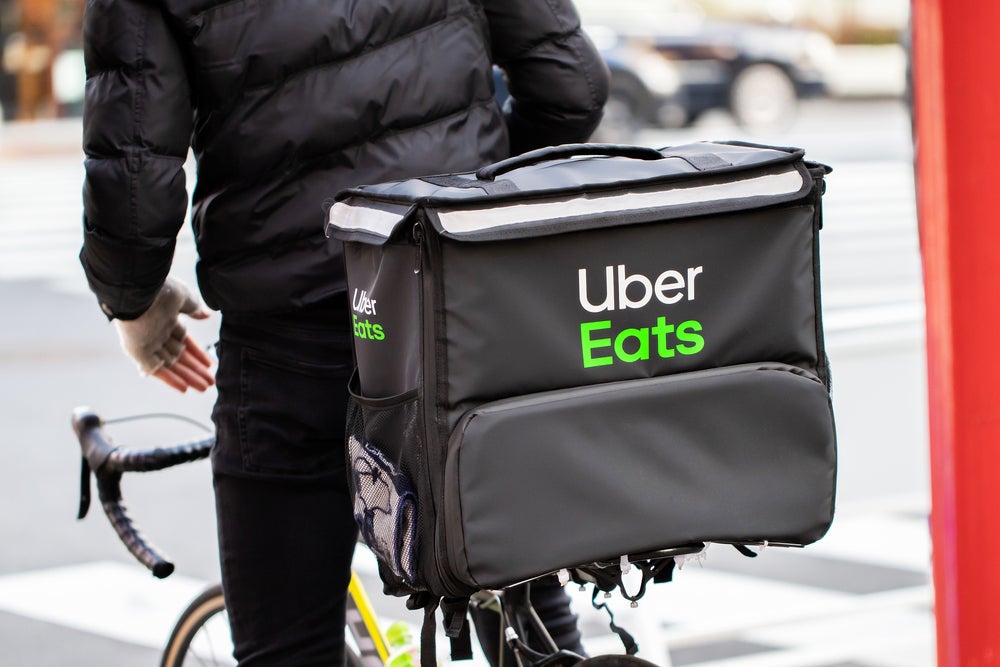
Uber Takes Legal Action Against DoorDash: Understanding the Implications of Fair Competition
In a significant turn of events in the competitive landscape of the food delivery industry, Uber has initiated a lawsuit against DoorDash, claiming that the latter’s anticompetitive practices have severely impacted its revenue. This legal confrontation not only underscores the fierce rivalry between these two industry giants but also raises broader questions about fair competition and consumer choice in the gig economy. As the battle unfolds, both companies will likely engage in a war of words, strategies, and legal maneuvers, making this an essential case to follow for industry stakeholders and consumers alike.
The Background of the Lawsuit
Uber, known primarily for its ride-hailing services, has significantly diversified its business model through Uber Eats, its food delivery arm. In recent years, the food delivery sector has exploded in popularity, driven by changing consumer preferences and the demand for convenience. However, Uber asserts that DoorDash’s practices have created an uneven playing field, stifling competition and negatively affecting its market share.
According to the lawsuit filed in a California court, Uber alleges that DoorDash has engaged in deceptive practices, including misleading advertising and aggressive pricing strategies that undermine competitors. These actions, Uber claims, have led to a decrease in its revenue and market presence. The lawsuit seeks not only damages but also a court order to halt DoorDash’s alleged unfair practices.
Impact on the Food Delivery Industry
This legal battle could have far-reaching implications for the food delivery industry as a whole. The growing competition among platforms like Uber Eats, DoorDash, Grubhub, and others has already led to a price war, with companies slashing fees and offering enticing promotions to attract customers. While this might benefit consumers in the short term, it raises concerns about sustainability and fair practices in the long run.
Market Dynamics and Consumer Choices
Consumers have benefited from the fierce competition, enjoying lower delivery fees and a plethora of dining options at their fingertips. However, the current pricing strategies employed by DoorDash, according to Uber, may lead to a monopoly-like situation where one player dominates the market, ultimately reducing competition. This could lead to higher prices for consumers once the competition diminishes.
Furthermore, if the lawsuit succeeds, it could set a precedent for how food delivery platforms operate, potentially leading to more stringent regulations on pricing and advertising practices. This may force all players in the industry to reassess their strategies and ensure they comply with fair competition laws.
The Anticompetitive Practices Alleged by Uber
At the heart of Uber’s lawsuit are several key allegations against DoorDash:
- Misleading Advertising: Uber claims that DoorDash has engaged in deceptive marketing practices, portraying itself as the most affordable option while concealing hidden fees that consumers often encounter at checkout.
- Predatory Pricing: The lawsuit accuses DoorDash of deliberately slashing its prices to an unsustainable level to drive competitors out of the market, thereby raising concerns about the long-term viability of Uber Eats.
- Exclusive Partnerships: Uber alleges that DoorDash has entered into exclusive agreements with certain restaurants, limiting their ability to partner with other delivery services, thereby restricting consumer choice.
The Broader Implications for the Gig Economy
The ongoing legal battle between Uber and DoorDash goes beyond just two companies. It speaks to the larger narrative of the gig economy, where independent contractors and platform businesses are constantly navigating complex regulatory environments. As these companies vie for market dominance, questions of worker rights, fair competition, and consumer protection come to the forefront.
Worker Rights and Fair Competition
Another layer to this conflict is the treatment of gig workers. Both Uber and DoorDash rely heavily on independent contractors to deliver food. As the competition heats up, there are increasing calls for better wages and working conditions for these workers. If one company gains a significant market advantage through aggressive tactics, it could also impact the compensation and benefits available to workers across the industry.
Moreover, this lawsuit could prompt regulatory bodies to take a closer look at how these companies operate. If DoorDash’s practices are found to be anticompetitive, it could lead to stricter regulations aimed at ensuring fair competition, which might ultimately benefit gig workers by enforcing better standards and protections.
Consumer Reactions and Market Sentiment
As the news of Uber’s lawsuit spreads, consumer reactions are mixed. Many consumers appreciate the competitive pricing and variety offered by DoorDash, while others are concerned about the potential implications of a monopoly. If consumers feel that DoorDash’s practices are indeed unfair or misleading, it could lead to a backlash against the platform, impacting its customer base.
On social media, discussions around the lawsuit have sparked debates about the ethics of competitive practices in the food delivery industry. Some consumers argue that a robust competitive landscape is essential for innovation and service improvement, while others worry that aggressive tactics might harm the quality of service and lead to fewer choices in the long run.
Conclusion: The Future of Food Delivery Competition
The legal confrontation between Uber and DoorDash is poised to reshape the food delivery industry as we know it. As both companies prepare for a protracted legal battle, stakeholders are left to ponder the future of fair competition in a rapidly evolving market. Will this lawsuit lead to a more equitable playing field for all players in the industry, or will it further entrench the dominance of one platform over the others?
For consumers, the outcome may ultimately dictate the landscape of food delivery options available, impacting everything from pricing to service quality. As we await developments in this case, one thing is clear: the stakes are high, and the implications are far-reaching, not just for Uber and DoorDash but for the entire gig economy and consumer choice.
See more Business Focus Insider Team
