
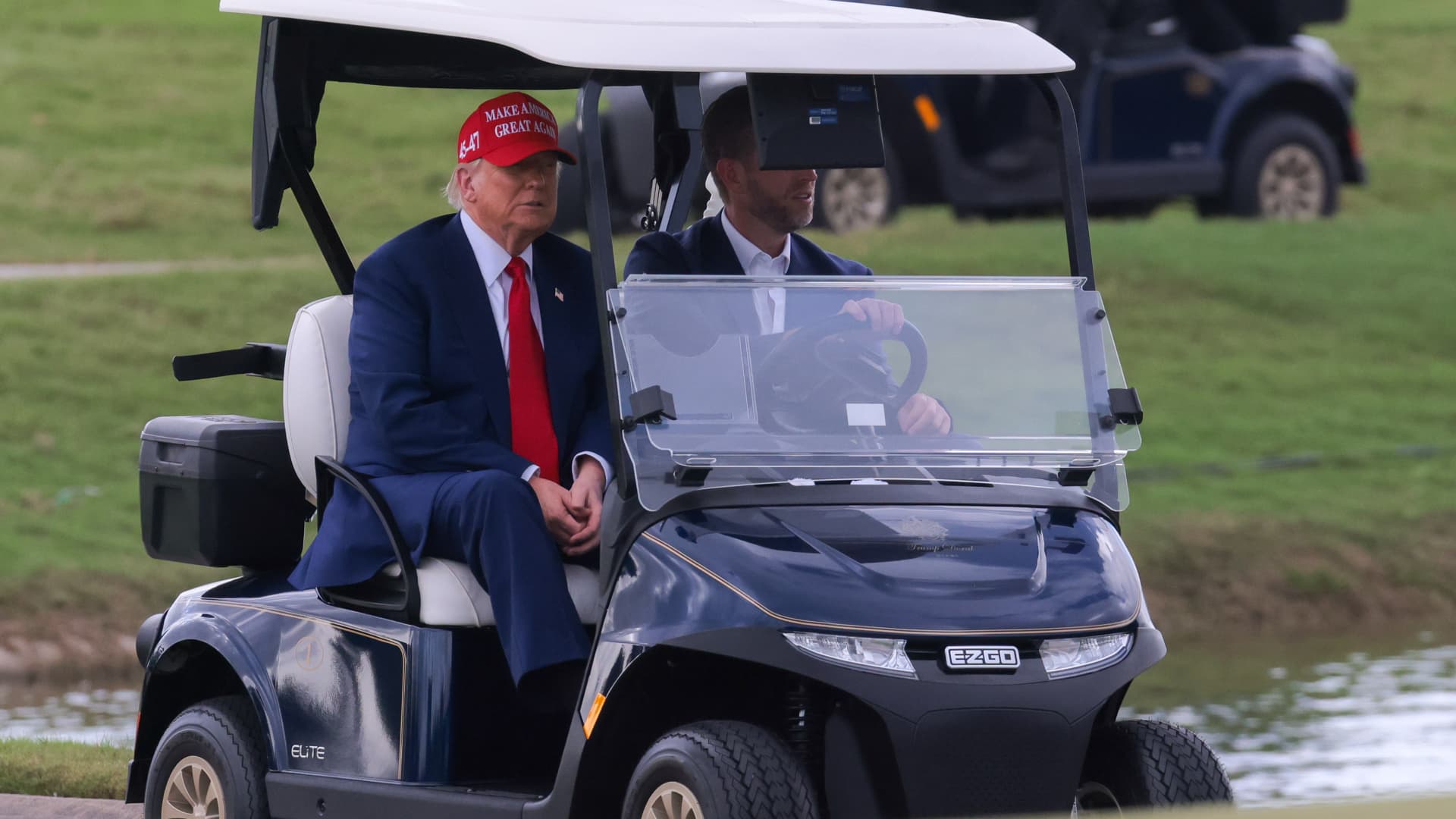
The Impact of Trump’s Trade War on Golf Cart Manufacturers
When the Trump administration imposed sweeping tariffs on Chinese imports in 2018, few anticipated the ripple effects on niche industries like golf cart manufacturing. Now, as tariffs persist, U.S.-based producers face soaring costs for components, forcing price hikes and supply chain overhauls. With 60% of global golf cart production tied to American brands, the trade war has reshaped the $1.5 billion leisure vehicle market, altering consumer choices and industry strategies.
Rising Costs and Supply Chain Disruptions
The 25% tariff on Chinese-made steel and aluminum hit golf cart manufacturers hard, as these materials account for nearly 30% of production costs. Major players like Club Car and Yamaha Golf Cars reported a 12-18% increase in manufacturing expenses within a year. “We’re renegotiating contracts and seeking alternative suppliers, but the transition isn’t seamless,” said Mark Johnson, a supply chain analyst at Textron (Club Car’s parent company).
Key challenges include:
- Battery costs: Lithium-ion batteries, largely imported from China, saw prices jump by 22%.
- Labor shortages: Domestic sourcing requires retraining workers, adding delays.
- Consumer backlash: Average retail prices rose 15%, slowing sales in recreational markets.
Shifting Production Strategies
To mitigate tariffs, some manufacturers relocated assembly lines. E-Z-GO shifted 40% of its parts production to Mexico, while smaller brands turned to Vietnam and India. However, these moves come with trade-offs. “Quality control and logistics are now our biggest headaches,” admitted Lisa Chen, CEO of a Florida-based custom cart builder.
Data highlights the strain:
- U.S. golf cart imports fell by 9% in 2022, per the International Trade Commission.
- Domestic production dipped 7%, with 3,500 jobs at risk.
Consumer Choices and Market Adaptation
As prices climbed, buyers pivoted. Sales of pre-owned carts spiked 20% in 2023, while luxury models stagnated. “Customers are prioritizing functionality over frills,” noted retail analyst David Park. Meanwhile, commercial buyers—golf courses, resorts, and universities—delayed upgrades, squeezing manufacturers’ bottom lines.
Future Outlook: Innovation or Stagnation?
Industry leaders are split on long-term solutions. Some advocate for lobbying tariff exemptions, while others push for automation to cut labor costs. A potential bright spot: electric vehicle (EV) technology. With 80% of new carts now electric, partnerships with EV battery firms could reduce reliance on imports.
What’s next? Stakeholders urge policymakers to weigh leisure industries’ unique needs in trade deals. For now, manufacturers brace for more turbulence. “Adaptability is our only lifeline,” Johnson concluded.
For insights on navigating tariff-related challenges, subscribe to our industry newsletter or attend the upcoming Leisure Vehicle Summit in Orlando.
See more Business Focus Insider Team
