
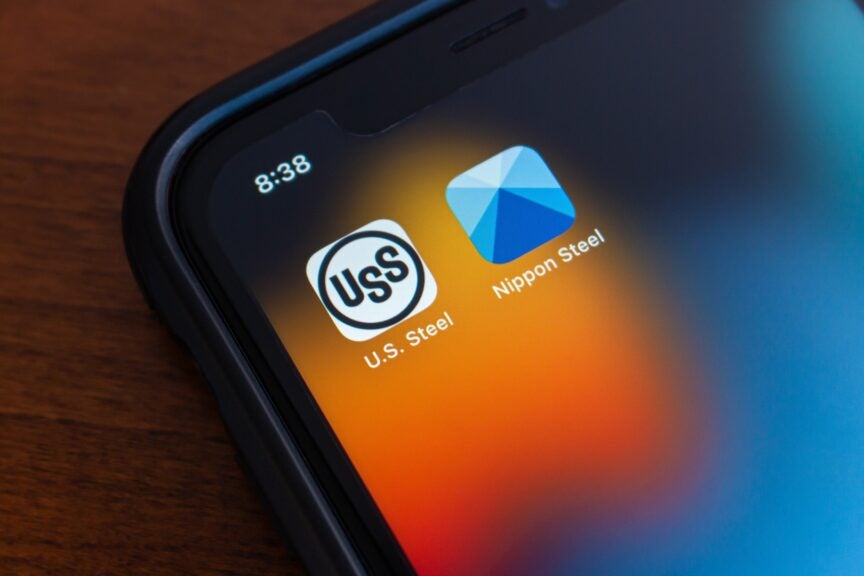
Trump’s Strategic Shift: Rethinking Nippon Steel’s $14.9 Billion Investment in U.S. Steel
In a surprising development, former President Donald Trump is taking a closer look at the strategic implications of Nippon Steel’s substantial investment in U.S. Steel, which amounts to a whopping $14.9 billion. This move signals a potential pivot in the way foreign investments are perceived in the American manufacturing landscape. By emphasizing investment over ownership, Trump’s shift raises critical questions about the future of U.S. manufacturing and how international partnerships will evolve in an increasingly interdependent global economy.
The Context of Nippon Steel’s Investment
To understand the significance of this investment, it’s crucial to recognize the broader context of U.S. Steel’s operations and the steel industry at large. Nippon Steel, one of Japan’s largest steel manufacturers, has been eyeing opportunities to enhance its production capabilities, especially in the wake of fluctuating global steel prices and ongoing competition from countries with lower production costs.
The $14.9 billion deal, which includes both direct investment and potential strategic partnerships, was originally framed as a way for Nippon Steel to bolster its market presence in North America. However, Trump’s recent comments suggest a more nuanced approach, focusing on how such foreign investments can be structured to benefit U.S. workers and the economy without compromising American interests.
Investment vs. Ownership: A New Paradigm
Trump’s strategic shift emphasizes a key distinction: the difference between investment and ownership. Historically, foreign ownership of U.S. manufacturing entities has been met with mixed reactions, often tied to concerns about job losses and national security. By advocating for investments that do not transfer ownership, Trump aims to reassure the American populace that foreign capital can be harnessed for economic growth while maintaining control over vital industries.
This approach could allow for:
- Job Creation: Investments can lead to new jobs in construction, manufacturing, and support industries.
- Technological Advancements: Collaboration with foreign companies can bring cutting-edge technologies to the U.S. market.
- Strengthening Supply Chains: Enhanced local production capabilities can reduce reliance on international supply chains, which have been disrupted during global crises.
The Implications for U.S. Manufacturing
The implications of this strategic shift are manifold, particularly for the U.S. manufacturing sector. As industries grapple with the dual challenges of globalization and domestic economic pressures, the need for a clear strategy regarding foreign investment becomes increasingly evident.
Here are some potential outcomes of rethinking Nippon Steel’s investment strategy:
- Increased Foreign Collaboration: With a focus on joint ventures and partnerships, U.S. manufacturing could see increased collaboration with foreign firms, leading to knowledge transfer and innovation.
- Enhanced Global Competitiveness: By integrating foreign investment without ceding ownership, U.S. companies can leverage global markets while retaining their competitive edge.
- Policy Revisions: This shift may prompt policymakers to revise regulations governing foreign investments, balancing economic growth with national interests.
International Partnerships: A Path Forward
As Trump reconsiders the Nippon Steel deal, it opens the door for broader discussions about international partnerships. The focus on investment rather than ownership aligns with a growing trend among nations looking to foster collaborative rather than competitive relationships.
For instance, countries like Germany and South Korea have successfully navigated similar waters by encouraging foreign investments that complement their local industries. By doing so, they have attracted significant capital while ensuring that domestic interests remain safeguarded. The U.S. could benefit from these models as it seeks to redefine its approach to foreign investments.
Potential Challenges and Considerations
While the strategic shift presents numerous opportunities, it does not come without challenges. Key considerations include:
- Political Resistance: Domestic political factions may resist foreign investments, viewing them as threats to national sovereignty.
- Economic Disparities: There’s a risk that investments may not benefit all regions equally, potentially exacerbating economic inequalities.
- Long-term Commitment: Ensuring that foreign investors are committed to long-term investment plans rather than short-term gains is critical for sustainable economic growth.
The Future of U.S. Steel and Manufacturing
As discussions around Nippon Steel’s $14.9 billion investment unfold, the future of U.S. steel and manufacturing hangs in the balance. The emphasis on investment over ownership could lead to a renaissance in American manufacturing, characterized by enhanced collaboration and innovation.
Moreover, if Trump’s strategic shift is embraced by both political leaders and industry stakeholders, it could set a precedent for how foreign investments are approached in the future. A model that prioritizes economic growth while protecting national interests may just be the key to revitalizing the U.S. manufacturing sector.
Conclusion
In summary, Trump’s reevaluation of Nippon Steel’s substantial investment in U.S. Steel marks a significant moment in the discourse surrounding foreign investments in American industries. By focusing on the benefits of investment without ownership, this strategic shift could rejuvenate the manufacturing landscape, foster innovation, and strengthen international partnerships. As the conversation continues, it is essential for all stakeholders to consider the long-term implications of such investments and work collaboratively to ensure that they contribute positively to the U.S. economy and its workforce.
See more Business Focus Insider Team
