
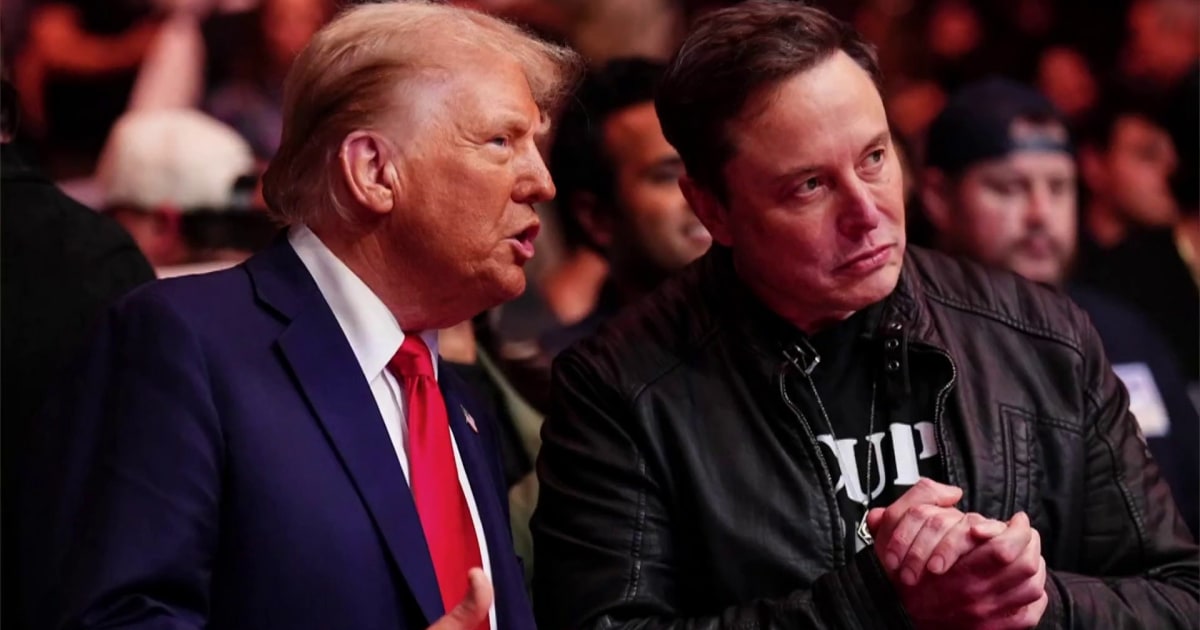
Unveiling Controversy: Trump and Musk Discuss Mass Firings
In a rare joint interview, Donald Trump, the former President of the United States, and Elon Musk, the CEO of Tesla and SpaceX, tackled the issue of mass firings in today’s corporate landscape. Their candid discussion not only highlights the immediate effects of such actions on the workforce but also raises profound questions regarding leadership and corporate responsibility in an era characterized by rapid technological advancements and economic uncertainties.
The Current Climate of Corporate Employment
The modern workplace is undergoing significant transformations, driven by innovations in technology and shifting economic conditions. As companies strive to remain competitive, many have resorted to mass firings as a strategy to cut costs, streamline operations, and pivot toward more profitable ventures. In this context, Trump’s and Musk’s perspectives are particularly insightful.
Trump pointed out that mass firings often stem from a lack of foresight in business strategies. “When a company makes the decision to lay off a large number of employees, it may indicate that they were not prepared for the challenges ahead,” he noted. This sentiment reflects a broader understanding that effective leadership involves not just managing resources but anticipating market shifts and preparing the workforce accordingly.
Elon Musk’s Perspective on Innovation and Employment
From Musk’s viewpoint, the rapid pace of innovation is a double-edged sword. While it drives economic growth and creates new job opportunities, it simultaneously renders certain roles obsolete. “We’re in an age where automation and artificial intelligence are redefining jobs,” Musk explained. “As we innovate, we must also be mindful of how those innovations impact the workforce.”
He emphasized the importance of reskilling employees to align with new technological demands. “It’s not just about cutting jobs; it’s about creating new paths for those affected,” Musk asserted. His approach advocates for a proactive response to layoffs, where companies invest in training and development to help displaced workers transition into new roles.
The Ethical Implications of Mass Firings
Both leaders acknowledged the ethical implications of mass firings. Trump stated, “Companies have a responsibility to their employees, especially those who have dedicated years of service.” This point raises critical questions about corporate accountability and the moral obligations of business leaders in making tough decisions that affect livelihoods.
Mass firings can lead to a loss of trust between employees and management, resulting in decreased morale and productivity. Musk added, “When companies treat their workforce as disposable, they risk losing the very innovation that made them successful in the first place.” This highlights a crucial aspect of corporate culture: valuing employees as integral contributors to the company’s mission and success.
Leadership Lessons from the Discussion
The discourse between Trump and Musk serves as a reminder of the lessons in leadership that can be gleaned from difficult decisions like mass firings. Here are some key takeaways:
- Transparency is Key: Leaders should communicate openly with their employees about the reasons behind layoffs and the future direction of the company.
- Invest in Employee Development: Companies should view layoffs as an opportunity to invest in their remaining workforce through upskilling and training programs.
- Consider the Long-Term Impact: Decisions should not only focus on immediate financial relief but also on the long-term health of the organization and its culture.
Future Predictions: The Workforce Landscape
As Trump and Musk pondered the future of work, they highlighted several trends that could reshape the employment landscape:
- Increased Automation: The continued integration of AI and robotics will likely lead to further job displacement, making reskilling imperative.
- Remote Work Trends: The shift toward flexible working arrangements may persist, allowing companies to access a broader talent pool while reducing overhead costs.
- A Shift in Employee Expectations: The workforce is changing; employees now seek purpose, flexibility, and growth opportunities, which will influence how companies attract and retain talent.
Corporate Responsibility in a Changing Economy
In their discussion, Trump and Musk emphasized the importance of corporate responsibility in navigating the current economic climate. As businesses grapple with the dual pressures of profitability and ethical practices, there is a growing call for companies to prioritize social responsibility. “Companies need to be aware of their impact on the community,” Trump remarked. “When you fire people, it doesn’t just affect them; it affects families and neighborhoods.”
Musk echoed this sentiment, urging companies to consider their broader impact. “We’re part of a global ecosystem. Our decisions can have far-reaching consequences.” This perspective aligns with the increasing demand for businesses to adopt sustainable practices and contribute positively to society.
Conclusion: A Collaborative Future
Ultimately, the joint interview between Donald Trump and Elon Musk sheds light on the complex realities of mass firings and their implications for the future workforce. Their insights highlight the necessity of compassionate leadership and the importance of viewing employees as vital assets rather than mere numbers on a balance sheet. As companies navigate the challenges of a rapidly changing business environment, the lessons gleaned from this discussion could serve as a roadmap for more ethical and sustainable practices in corporate America.
As we move forward, the collaboration between innovative leaders in business and government will be crucial in shaping policies that support workers while fostering economic growth. By prioritizing transparency, accountability, and employee development, organizations can create a resilient workforce ready to meet the challenges of tomorrow.
See more Business Focus Insider Team
