
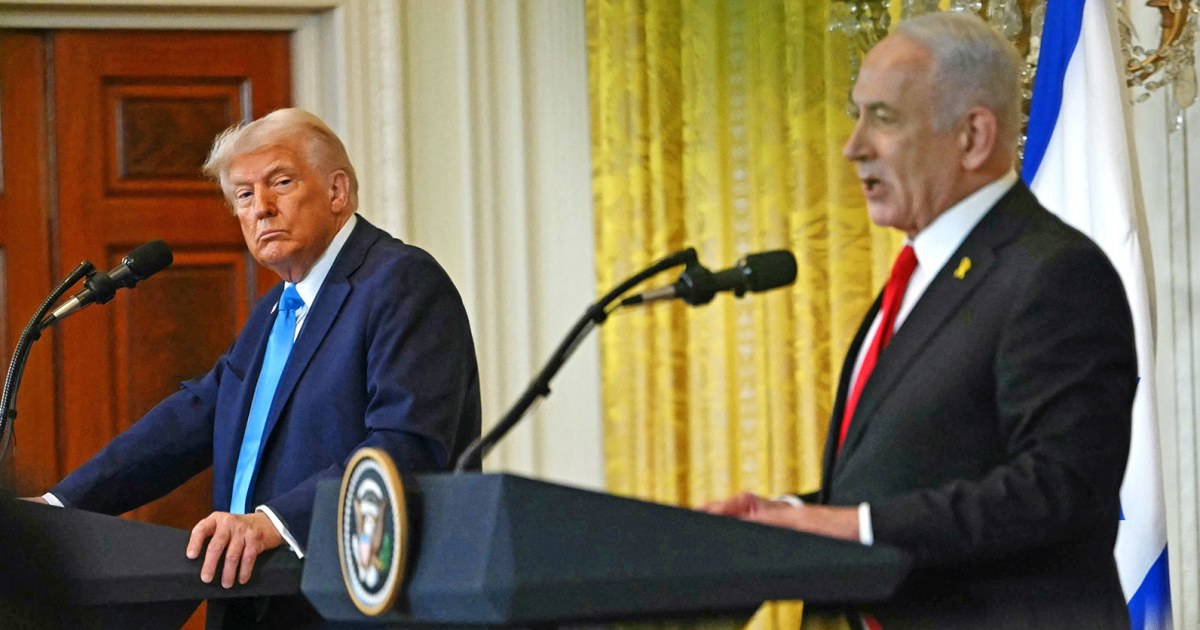
Trump’s Next Venture: Is Gaza the New Frontier for Real Estate Development?
As the world continues to grapple with shifting geopolitical dynamics, former President Donald Trump appears to be setting his sights on a bold and controversial venture: real estate development in Gaza. This potential move has sparked a flurry of speculation and debate, raising important questions about the intersection of politics, business, and humanitarianism in one of the most complex regions on the planet.
The Current Landscape in Gaza
Gaza, a coastal enclave home to nearly two million Palestinians, has faced significant challenges over the years. Political instability, economic turmoil, and ongoing conflict have created a unique environment that complicates any business venture. Infrastructure is in dire need of repair, with many buildings damaged or destroyed due to years of conflict. The unemployment rate is alarmingly high, and access to basic resources like clean water, electricity, and medical care is often limited.
Despite these challenges, Gaza has potential. The region’s strategic location, with access to the Mediterranean Sea and proximity to major Middle Eastern markets, presents opportunities for innovative development. However, the question remains: can a high-profile figure like Trump navigate the intricate political landscape to make a successful investment?
Trump’s Real Estate Acumen
Trump’s history in real estate is well-documented. Known for his larger-than-life persona and ambitious projects, he has transformed the skyline of New York City and beyond. From luxury hotels to golf courses, Trump’s brand is synonymous with high-profile developments. Yet, his ventures have not been without controversy, as critics often point to his polarizing business practices and the ethical implications of his projects.
In Gaza, Trump’s reputation could be a double-edged sword. On one hand, his experience could bring much-needed investment and job creation to the region. On the other hand, his involvement could be viewed as an opportunistic move, capitalizing on a humanitarian crisis for profit.
The Intersection of Politics and Real Estate
Real estate development in Gaza is not merely a business decision; it is deeply intertwined with the region’s political realities. The Israeli-Palestinian conflict has left deep scars, and any development project would require careful navigation of a complex web of stakeholders. These include the Palestinian Authority, Hamas, Israeli authorities, and various international organizations.
Trump’s previous policies as president, particularly his approach to Israel and Palestine, could influence how his venture is perceived. His administration’s recognition of Jerusalem as Israel’s capital and the subsequent peace agreements with several Arab nations reshaped the political landscape. However, these policies also alienated many Palestinians, who may view Trump’s potential involvement in Gaza with skepticism.
Humanitarian Concerns and Ethical Implications
Any discussion of real estate development in Gaza must also acknowledge the humanitarian implications. The region suffers from a dire humanitarian crisis, with widespread poverty and limited access to essential services. If Trump were to proceed with a development project, questions about the ethical implications of profiting in such a context would arise.
- Employment Opportunities: Development could create jobs and stimulate the local economy.
- Infrastructure Improvement: Investments could lead to necessary repairs and enhancements to existing infrastructure.
- Displacement Risks: There is a risk of displacing local populations for the sake of development.
- Political Backlash: Trump’s involvement might provoke backlash from various political factions in the region.
Potential Benefits of Development in Gaza
Despite the myriad challenges, there are potential benefits to real estate development in Gaza, particularly if done thoughtfully and collaboratively. Here are several key advantages:
- Economic Growth: New developments could boost the economy, providing jobs and stimulating local businesses.
- International Investment: A successful project could attract further international investment, fostering regional stability.
- Improved Living Conditions: Well-planned developments could improve living standards for residents, providing better housing and services.
- Cultural Exchange: Development could promote cultural exchange and collaboration, breaking down barriers.
Challenges Ahead
However, the road to successful development in Gaza is fraught with challenges. Key obstacles include:
- Political Instability: Ongoing conflict and political divisions could hinder development efforts.
- Regulatory Hurdles: Navigating local laws and regulations may pose significant challenges.
- Security Concerns: The threat of violence and unrest could deter investors and complicate operations.
- Public Perception: Gaining the trust of the local population will be crucial for any project to succeed.
Conclusion: A Controversial Frontier
As global attention shifts to the Middle East, Trump’s potential venture into Gaza represents a controversial yet intriguing possibility. While the prospect of real estate development in such a fraught environment raises numerous questions, it also highlights the complexities of rebuilding and revitalizing a region in need. The intersection of politics, real estate, and humanitarian efforts will be critical in determining whether this venture can succeed.
Ultimately, as Trump considers his next move, the focus must remain on the people of Gaza. Their needs, aspirations, and voices should guide any development efforts, ensuring that investments contribute positively to the local community rather than exploit its vulnerabilities. With the right approach, perhaps Gaza could emerge not only as a new frontier for real estate but as a beacon of hope and resilience in a troubled region.
See more Business Focus Insider Team
