
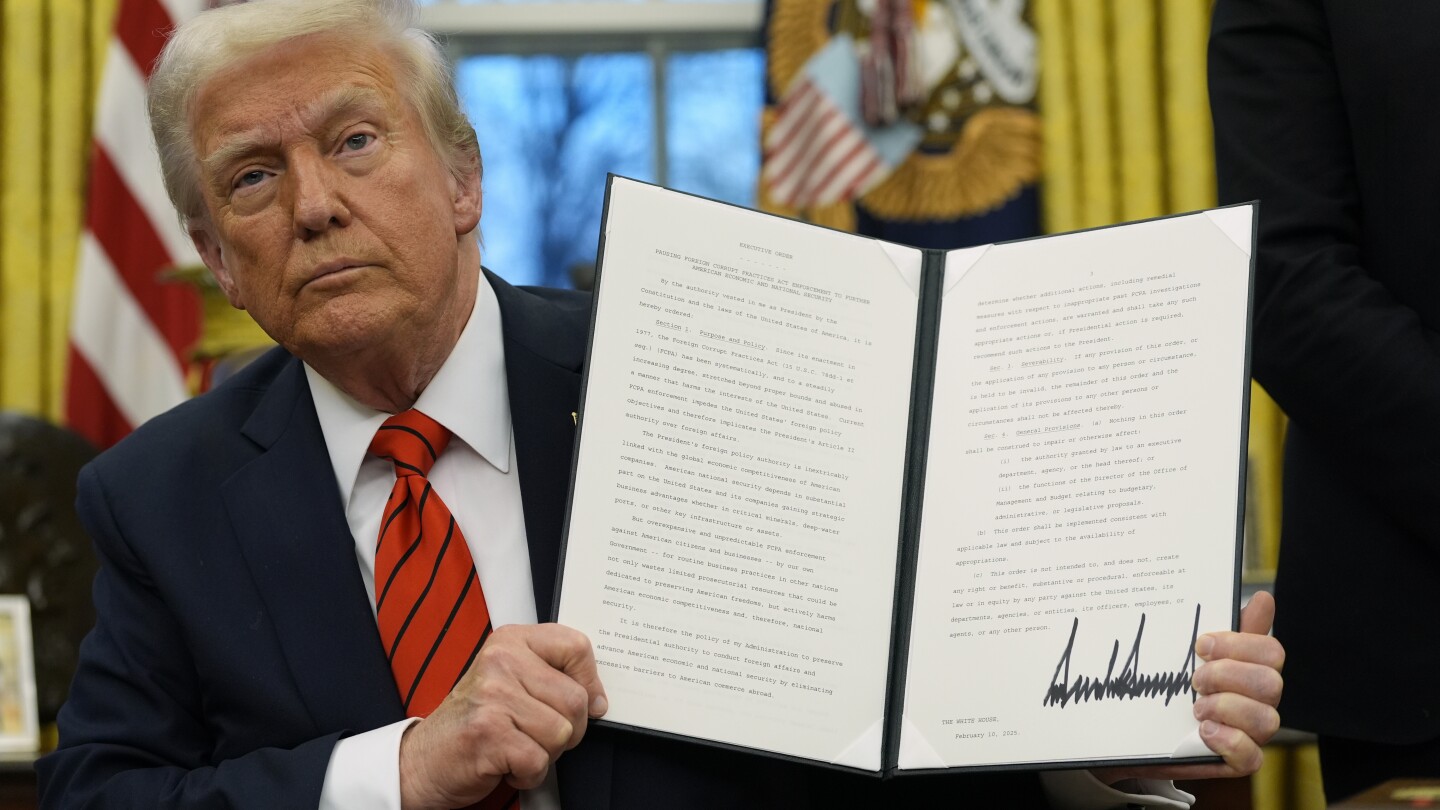
The Return of the ‘Wild West’: Trump’s Decision on Anti-Bribery Law
In a move that has sent shockwaves through the global business community, former President Donald Trump recently suspended the enforcement of the U.S. law designed to prevent bribery in international business transactions. This decision raises critical questions about the future of ethical business practices, the integrity of international relations, and the potential return to a ‘Wild West’ atmosphere in global commerce. As companies begin to navigate this new landscape, understanding the implications of this shift will be essential for maintaining ethical standards and fostering sustainable business relationships.
Understanding the Anti-Bribery Law
The U.S. Foreign Corrupt Practices Act (FCPA), enacted in 1977, was a pioneering law aimed at combating bribery of foreign officials by American companies. It was one of the first pieces of legislation globally to address corporate corruption and has served as a framework for anti-corruption laws in many other countries. The FCPA prohibits the payment of bribes to foreign officials for the purpose of obtaining or retaining business. This law not only emphasizes ethical business conduct but also aligns with broader U.S. foreign policy goals of promoting democracy and good governance abroad.
By suspending enforcement of this crucial law, Trump’s decision has opened the floodgates to a potential resurgence of unethical business practices in international markets. Companies that once adhered to strict anti-bribery protocols may now feel emboldened to engage in questionable practices, leading to a race to the bottom in terms of ethical standards.
The Implications for Global Business
A Shift in Corporate Culture
The suspension of the anti-bribery law signifies a broader cultural shift within the corporate world. Companies may now see a competitive advantage in adopting more aggressive tactics, including bribery, to secure contracts and gain market share. This shift could lead to:
- Increased Corruption: With fewer checks on business practices, companies may resort to bribery as a common strategy, undermining fair competition.
- Legal and Financial Risks: While the suspension of the FCPA’s enforcement may seem advantageous in the short term, companies could face significant legal repercussions if other countries maintain their anti-bribery laws.
- Damage to Reputation: Engaging in bribery can tarnish a company’s reputation, leading to loss of consumer trust and potential boycotts.
International Relations and Trade
The implications of this decision extend beyond individual companies; they affect international relations on a broader scale. Countries that have stringent anti-corruption measures may view the U.S. decision as a sign of declining commitment to ethical business practices. This could lead to:
- Strained Diplomatic Relations: Nations may become wary of American companies, fearing they will engage in corrupt practices.
- Trade Barriers: Countries might impose stricter regulations on U.S. businesses as a response to perceived unethical behavior, complicating trade relationships.
- Global Corruption Rankings: The U.S. could see a decline in its standing on global corruption indices, affecting its influence in international economic discussions.
Ethical Considerations for Companies
As businesses grapple with the implications of this decision, they must consider the long-term consequences of abandoning ethical practices. While the allure of increased profits through unregulated dealmaking may be tempting, the risks involved can outweigh the benefits.
Reevaluating Corporate Governance
Companies need to take a proactive approach in reevaluating their corporate governance policies. This involves:
- Reinforcing Ethical Standards: Businesses should reaffirm their commitment to ethical practices, ensuring that all employees understand the importance of integrity in business dealings.
- Training and Awareness: Regular training sessions on anti-bribery laws and ethical business practices can help employees navigate complex situations, even in a less regulated environment.
- Whistleblower Protections: Establishing robust whistleblower policies can encourage employees to report unethical behavior without fear of retaliation.
Building Trust with Stakeholders
In an era where trust is paramount, companies must focus on building and maintaining strong relationships with stakeholders. This can involve:
- Transparency: Open communication about business practices and decisions can help build trust with customers, investors, and partners.
- Social Responsibility: Engaging in corporate social responsibility initiatives can demonstrate a company’s commitment to ethical practices and community well-being.
- Collaboration: Working with international organizations and governments to promote ethical business practices can enhance a company’s reputation and influence.
The Future Landscape of Global Business
The suspension of the anti-bribery law has undoubtedly created a tumultuous environment for global business, reminiscent of the lawless ‘Wild West’ days. However, it also presents an opportunity for companies to take the lead in establishing ethical practices that can set them apart in a competitive marketplace.
Emerging Trends in Ethical Business Practices
As businesses adapt to this new reality, several trends may emerge:
- Increased Demand for Transparency: Consumers are increasingly valuing transparency in business practices, and companies that prioritize ethical behavior are likely to attract more customers.
- Technological Solutions: Innovations in technology, such as blockchain, can enhance transparency and traceability in transactions, helping to mitigate the risks associated with bribery.
- Grassroots Movements: Employees and consumers may push for accountability and ethical practices, leading to a culture of integrity within organizations.
Conclusion
The return of the ‘Wild West’ in global business, sparked by Trump’s decision to suspend the anti-bribery law, poses significant challenges but also opportunities for companies willing to navigate these turbulent waters with integrity. As businesses reassess their practices, they must recognize the importance of ethical conduct not just for compliance, but as a cornerstone of sustainable success in an increasingly interconnected world. The path forward will require a commitment to ethical practices, transparency, and a dedication to building trust with all stakeholders. In the end, the companies that prioritize integrity may find that they not only survive but thrive in this new era of global business.
See more Business Focus Insider Team
