
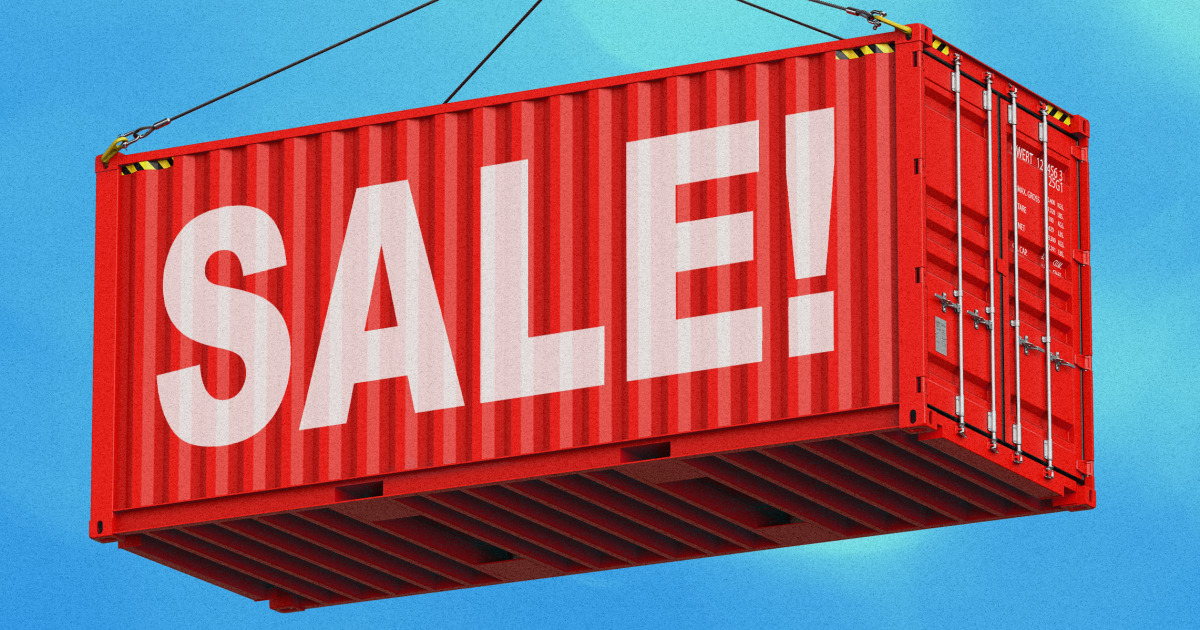
Retailers Leverage Trade War Tensions to Boost Sales Amid Economic Uncertainty
As global trade tensions escalate, retailers are capitalizing on economic uncertainty by transforming potential disruptions into sales opportunities. Major chains and e-commerce platforms are rolling out targeted promotions, stockpiling strategies, and consumer education campaigns to turn geopolitical friction into revenue. This emerging retail strategy not only reshapes pricing models but also influences buyer psychology and supply chain decisions worldwide.
The New Playbook: How Retailers Are Adapting
Forward-thinking merchants have developed a multi-pronged approach to trade war volatility. Walmart, Target, and Amazon have all launched “tariff-proof” sales events in recent months, offering discounts on imported goods before potential price hikes take effect. According to retail analysts, this strategy achieves three objectives simultaneously:
- Clearing existing inventory before cost increases
- Building customer loyalty through perceived value
- Positioning the retailer as a consumer advocate
“We’re seeing retailers act as economic interpreters for shoppers,” explains Dr. Lisa Chen, supply chain professor at Wharton School. “By framing sales around trade policy timelines, they create urgency while appearing transparent about future pricing.”
Consumer Behavior Shifts in Volatile Markets
Market research firm Kantar reports a 27% increase in “preemptive purchasing” since trade tensions intensified last quarter. Consumers are buying larger quantities of durable goods when retailers signal impending price increases. This behavior mirrors patterns seen during previous economic disruptions but with one key difference: today’s shoppers have access to real-time trade policy updates through retail apps and newsletters.
Home goods retailer Bed Bath & Beyond recently tested a “Tariff Countdown” promotion, resulting in a 42% sales bump for affected product categories. “When we explained how trade policies would impact prices next month, customers responded immediately,” said CEO Mark Tritton during the company’s Q2 earnings call.
The Data Behind Trade War Sales Strategies
Retail analytics reveal fascinating patterns in how trade tensions influence purchasing:
| Strategy | Adoption Rate | Average Sales Lift |
|---|---|---|
| Tariff-related promotions | 68% of major retailers | 19-31% |
| Supply chain transparency | 42% | 8-15% |
| Early inventory clearance | 57% | 22-38% |
However, some economists warn these tactics may have diminishing returns. “Retailers are essentially front-loading demand,” notes JP Morgan analyst Sarah Wilkins. “We could see sharper sales declines in subsequent quarters as consumers stock up early.”
Global Supply Chains Adapt to New Realities
The trade war retail strategy extends beyond marketing into fundamental supply chain restructuring. Companies are implementing several adaptive measures:
- Diversifying manufacturing beyond single countries
- Increasing safety stock for high-tariff items
- Reengineering products to qualify for different tariff codes
Electronics retailer Best Buy recently credited its “tariff mitigation team” for maintaining margins despite $300 million in potential tariff impacts. The team combines logistics experts, policy analysts, and merchandising specialists to navigate the changing landscape.
Ethical Considerations and Consumer Backlash
While many retailers position trade war promotions as consumer-friendly, some critics argue they exploit economic anxiety. A recent Consumer Reports survey found 39% of shoppers feel pressured to make purchases earlier than planned due to tariff warnings.
“There’s a fine line between informative and alarmist,” cautions retail ethicist Michael Brown. “Retailers must balance transparency with responsible messaging to maintain long-term trust.” Some companies have faced backlash for overstating potential price impacts or creating artificial scarcity.
The Future of Trade War Retail Strategies
As geopolitical tensions show no signs of abating, industry experts predict several developments:
- More sophisticated tariff forecasting tools for inventory planning
- Increased use of trade policy in marketing narratives
- Greater investment in domestic production alternatives
“The retailers who thrive will be those that turn supply chain volatility into competitive advantage,” suggests Harvard Business School’s retail innovation chair. “This means developing agile systems that can pivot quickly to policy changes while maintaining customer trust.”
For consumers navigating this new retail landscape, experts recommend focusing on genuine needs rather than speculative purchases. While some deals offer real value, others may represent short-term thinking in a complex economic environment. As trade policies continue evolving, both retailers and shoppers will need to adapt to this unprecedented intersection of commerce and geopolitics.
See more Business Focus Insider Team
