
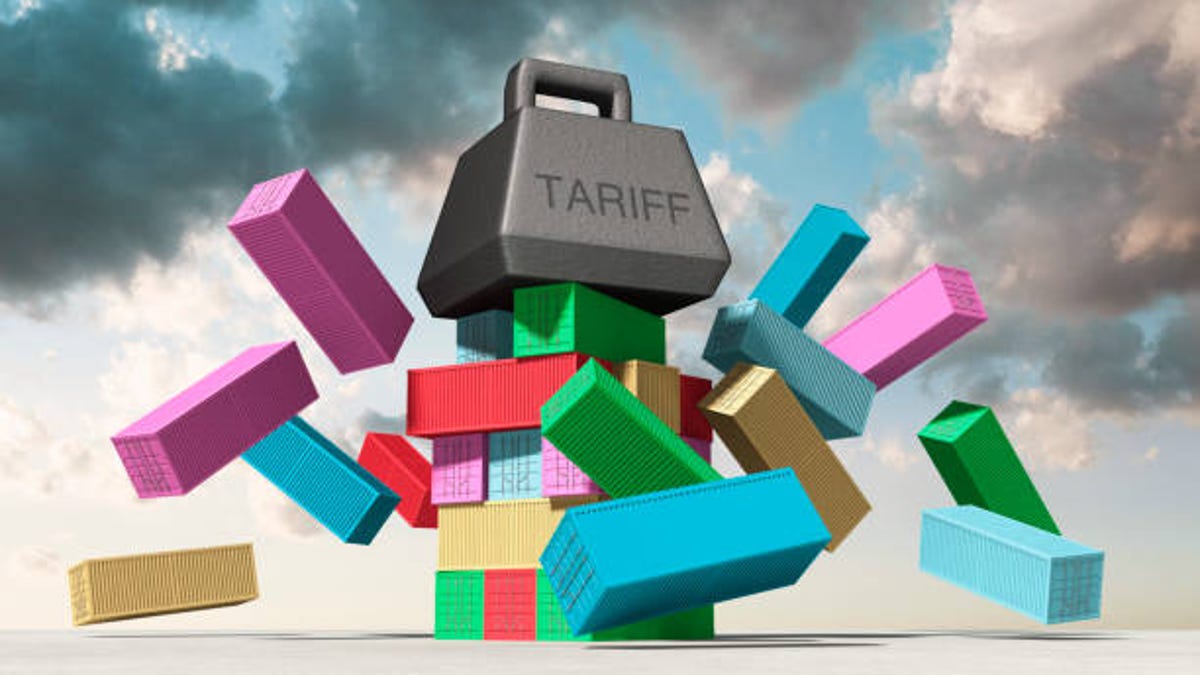
As global trade tensions escalate, prominent CEOs are urging governments to prioritize strategic resolutions that foster economic stability. In recent weeks, business leaders from tech, manufacturing, and finance sectors have emphasized collaboration over confrontation, warning that prolonged disputes could derail post-pandemic recovery. Their insights come amid rising tariffs, supply chain disruptions, and geopolitical friction, highlighting the urgent need for dialogue.
The Economic Toll of Prolonged Trade Conflicts
The World Trade Organization estimates that ongoing trade wars have shaved nearly 0.5% off global GDP growth annually since 2018. A 2023 report by the International Monetary Fund (IMF) further warns that escalating tariffs could reduce worldwide trade volumes by up to 7% if left unchecked. Industries like semiconductors, agriculture, and automotive manufacturing face the brunt of these disruptions, with companies scrambling to adapt.
“Trade wars create lose-lose scenarios,” says Daniel Chen, CEO of a multinational electronics firm. “When tariffs spike, consumers pay more, innovation slows, and supply chains fracture. We need policies that encourage competition without stifling growth.” Chen’s company recently relocated production to Vietnam amid U.S.-China tensions, a move that cost $200 million but was deemed necessary to avoid tariffs.
CEO Strategies for Mitigating Trade Risks
Business leaders are adopting multifaceted approaches to navigate the uncertainty:
- Diversifying Supply Chains: 68% of Fortune 500 firms have shifted suppliers or manufacturing hubs in the past two years, according to McKinsey.
- Advocating for Policy Reforms: Coalitions like the Business Roundtable are lobbying for standardized digital trade rules and transparent dispute-resolution mechanisms.
- Investing in Local Production: Some companies, like Tesla, are building regional factories to circumvent import barriers.
However, these measures come with challenges. “Reshoring isn’t a silver bullet,” notes Maria Lopez, an economist at the Brookings Institution. “Labor shortages and higher operational costs in domestic markets can offset tariff savings.”
The Call for Diplomatic Solutions
CEOs argue that diplomacy, not protectionism, should drive trade policies. At the recent G20 Summit, executives proposed creating neutral arbitration panels to mediate disputes. Others suggest reviving multilateral agreements like the CPTPP (Comprehensive and Progressive Agreement for Trans-Pacific Partnership) to reduce reliance on bilateral standoffs.
“History shows that isolationism backfires,” says James Okafor, a veteran trade negotiator. “The 1930s Smoot-Hawley tariffs worsened the Great Depression. Today’s leaders must learn from those mistakes.”
Future Outlook: Collaboration or Escalation?
The path forward remains uncertain. While some nations signal openness to negotiations—such as the U.S. and EU’s 2023 truce on steel tariffs—others continue weaponizing trade. China’s export controls on rare-earth minerals, for example, have raised fears of a tech cold war.
Experts recommend these steps to de-escalate tensions:
- Establish clear timelines for tariff rollbacks.
- Expand digital trade agreements to cover emerging technologies.
- Create incentives for cross-border R&D partnerships.
For businesses, adaptability is key. “CEOs must balance short-term survival with long-term strategy,” advises Chen. “That means diversifying markets, investing in talent, and staying vocal about sensible policies.”
As the trade war evolves, one thing is clear: without cooperation, the global economy risks fragmentation at a time when unity is needed most. Policymakers and business leaders alike must act decisively to turn confrontation into compromise.
For actionable insights on trade policy trends, subscribe to our weekly Global Business Brief.
See more Business Focus Insider Team
