
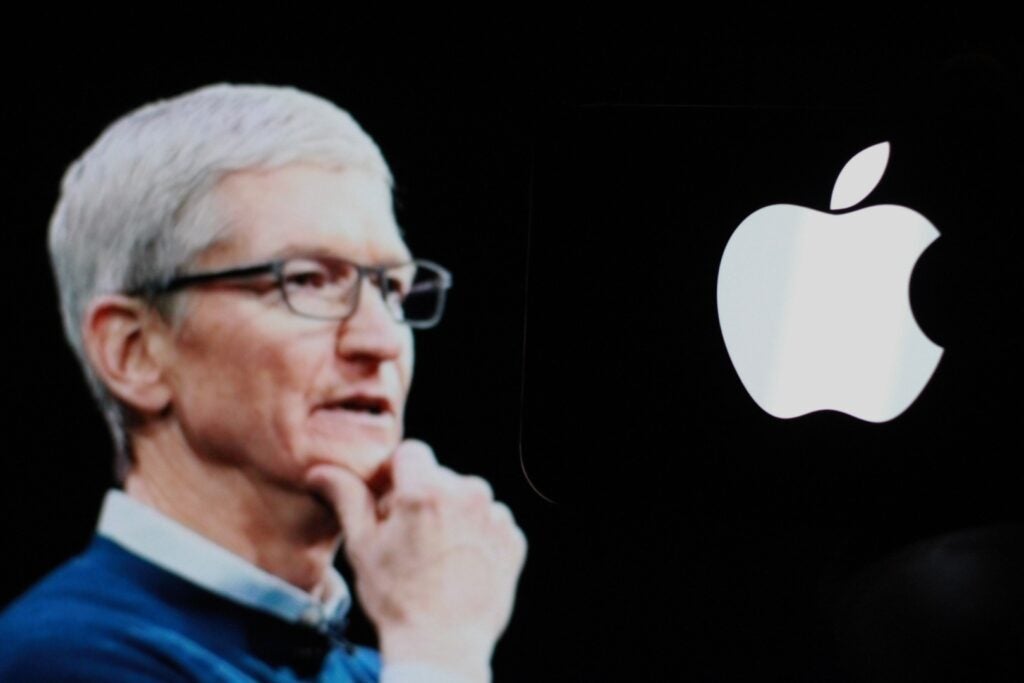
Behind Closed Doors: Tim Cook’s Strategic Meeting with Trump
In a world where technology and politics increasingly intertwine, key figures often find themselves navigating complex waters. One such pivotal encounter occurred when Apple CEO Tim Cook met with then-President Donald Trump. This meeting, set against the backdrop of escalating trade tensions, raised eyebrows and sparked discussions about the implications for Apple and its vast stakeholder network. In this article, we’ll delve into the details of this significant meeting, explore its context, and examine what it means for the future of Apple.
The Context of Trade Turmoil
As the global economy shifted in the late 2010s, trade relationships, particularly between the United States and China, became increasingly strained. The imposition of tariffs and the threat of further economic sanctions created an environment of uncertainty for multinational corporations, including Apple. As a company heavily reliant on Chinese manufacturing for its products, Apple found itself in a precarious position.
In this climate, Tim Cook’s meeting with Trump was critical. It wasn’t just about business; it was about safeguarding Apple’s interests. Cook aimed to convey the potential repercussions of ongoing trade disputes on Apple’s operations and, by extension, on the U.S. economy.
The Meeting: A Balancing Act
During their discussions, Cook likely faced the challenge of balancing corporate interests with national priorities. Trump’s administration was focused on reshaping trade policies to favor American workers and industries, often at the expense of global partners. Cook had to articulate Apple’s contribution to the U.S. economy, emphasizing job creation and innovation.
- Job Creation: Apple employs over 80,000 people in the United States, with many more indirectly supported through its ecosystem.
- Investment: The company pledged to invest $350 billion in the U.S. economy over five years, showcasing its commitment to American growth.
- Innovation: Apple’s products and services have positioned it as a leader in technology, influencing various sectors and contributing to the overall economy.
By highlighting these points, Cook sought to align Apple’s goals with the administration’s agenda, advocating for favorable trade terms that would allow Apple to continue thriving while also benefiting the American workforce.
Privacy and Security Concerns
In addition to trade discussions, privacy and security were significant topics during the meeting. Apple has long positioned itself as a champion of user privacy, often clashing with government entities over issues of data access and surveillance. Trump’s administration had a different perspective, emphasizing national security concerns.
Cook had to navigate this sensitive area carefully. He needed to reassure Trump that Apple was committed to protecting user data while also advocating for reasonable policies that wouldn’t stifle innovation or compromise user privacy. This balancing act was crucial, as the relationship between tech companies and government entities is often fraught with tension.
Implications for Apple and Its Stakeholders
The outcome of this meeting held significant implications for Apple and its stakeholders. Here are a few key areas to consider:
- Supply Chain Stability: A favorable outcome from the meeting could lead to a more stable supply chain for Apple, particularly with regard to tariffs on products manufactured in China. This stability is vital for maintaining product pricing and availability.
- Market Confidence: Positive relations with the U.S. government could enhance investor confidence in Apple’s future growth prospects, potentially influencing stock prices and attracting new investors.
- Innovation Continuity: By securing a favorable regulatory environment, Apple could continue to invest in research and development without the fear of heavy-handed regulations that could stifle innovation.
Looking Toward the Future
As we reflect on the meeting between Tim Cook and Donald Trump, several questions arise about the future of Apple in an ever-evolving political and economic landscape. Will Apple continue to navigate the complexities of global trade successfully? How will it maintain its commitment to privacy in an era of increasing scrutiny?
Moreover, the relationship between technology giants and government entities is likely to grow in importance. As issues like data privacy, cybersecurity, and trade regulations continue to be at the forefront of public discourse, companies like Apple will need to engage proactively with policymakers to advocate for their interests while balancing societal concerns.
Conclusion
The strategic meeting between Tim Cook and Donald Trump was more than just a discussion; it was a crucial moment for Apple amidst tumultuous trade relations and privacy concerns. As Cook navigated these complex issues, he aimed to protect Apple’s interests while aligning with national priorities. The implications of this meeting extend far beyond the boardroom, influencing Apple’s trajectory and its impact on the global economy.
As we look ahead, it’s clear that the dialogue between technology and government will only intensify. For Apple, ongoing engagement with policymakers will be essential in ensuring continued growth and innovation in a rapidly changing world. The future holds both challenges and opportunities, and how Apple chooses to respond will be pivotal for its stakeholders and the broader tech landscape.
See more Business Focus Insider Team
