
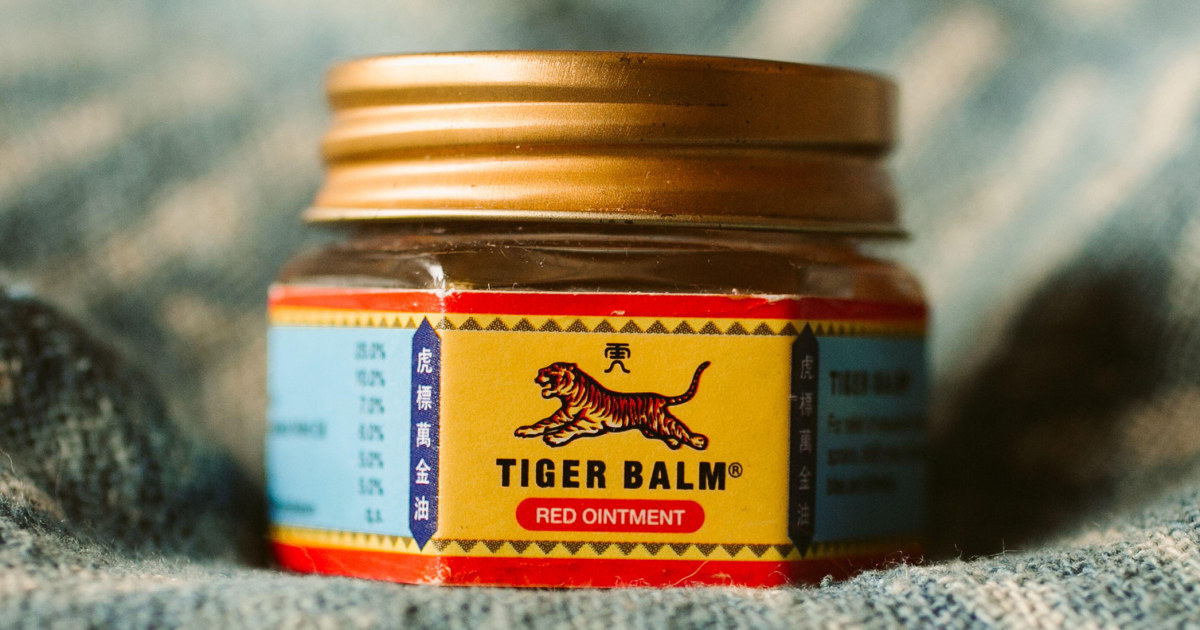
As U.S.-China trade tensions escalate, Tiger Balm, the 100-year-old analgesic brand, faces mounting pressure from tariffs that threaten its market position. The Singapore-based company, which manufactures most of its products in China, saw import duties on its topical ointments jump from 3% to 25% in 2019. With no end in sight to trade disputes, the household name must now rethink its supply chain, pricing strategy, and consumer outreach to maintain its $100 million annual U.S. sales.
The Perfect Storm: How Tariffs Impact Tiger Balm’s Bottom Line
Tiger Balm’s challenges mirror those of thousands of companies caught in the crossfire of the world’s largest trade war. The U.S. Trade Representative’s Office included menthol and camphor—key ingredients in Tiger Balm—on its List 3 tariffs covering $200 billion of Chinese goods. This created a domino effect:
- Production costs rose 18% almost overnight
- U.S. retail prices increased by 12-15%
- Amazon third-party sellers began stockpiling inventory
“We’re seeing classic symptoms of trade war whiplash,” explains Dr. Evelyn Wong, trade economist at the National University of Singapore. “When a heritage brand like Tiger Balm, with its razor-thin margins, absorbs a 25% tariff, either consumers pay more or the company takes the hit. There’s no painless solution.”
Adapting to the New Trade Reality
Haw Par Corporation, Tiger Balm’s parent company, has implemented a three-pronged strategy to mitigate losses:
- Diversified manufacturing: Shifting 30% of production to Malaysia and Vietnam
- Product reformulation: Developing U.S.-specific versions with alternative ingredients
- Direct-to-consumer push: Boosting e-commerce to bypass retail markups
The moves come as Asian analgesic exports to the U.S. declined 7.2% in 2022, according to International Trade Centre data. Meanwhile, American competitors like Biofreeze have gained 4.3% market share during the same period.
Consumer Loyalty vs. Price Sensitivity
Tiger Balm’s century-old brand equity faces its toughest test yet. A 2023 Consumer Reports survey found:
- 68% of regular users would pay up to 10% more for the authentic product
- 42% would switch to generics if prices rose above 15%
- 29% have already tried DIY alternatives using essential oils
“Our customers have muscle memory—literally and figuratively,” says Marcus Tan, Tiger Balm’s North America VP. “But brand loyalty has its limits when household budgets tighten. We’re walking a tightrope between maintaining quality and remaining accessible.”
The Broader Impact on Traditional Remedies
Tiger Balm’s predicament highlights vulnerabilities in the $4.2 billion traditional medicine export industry. Other affected products include:
- Chinese herbal patches
- Ayurvedic supplements
- Thai massage oils
Trade analysts warn that prolonged tariffs could reshape global alternative medicine markets. “Western consumers might revert to pharmaceutical options if traditional remedies become premium-priced,” notes Dr. Sanjay Gupta of the Global Holistic Health Alliance. “We could lose decades of cultural exchange in healthcare practices.”
What’s Next for Tiger Balm and Competitors?
Industry observers suggest several potential developments:
- Accelerated FDA approvals for non-Chinese manufacturing facilities
- Strategic partnerships with U.S. wellness brands
- Increased lobbying for traditional medicine tariff exemptions
As trade negotiations continue, Tiger Balm serves as a case study in globalized business resilience. The company’s ability to adapt its century-old formula—both literally and figuratively—may determine whether this household staple remains in American medicine cabinets or becomes a casualty of economic nationalism.
For consumers wanting to support traditional remedies amid trade wars, experts recommend purchasing directly from brand websites during promotional periods, when companies often absorb tariff costs to maintain customer relationships.
See more Business Focus Insider Team
