
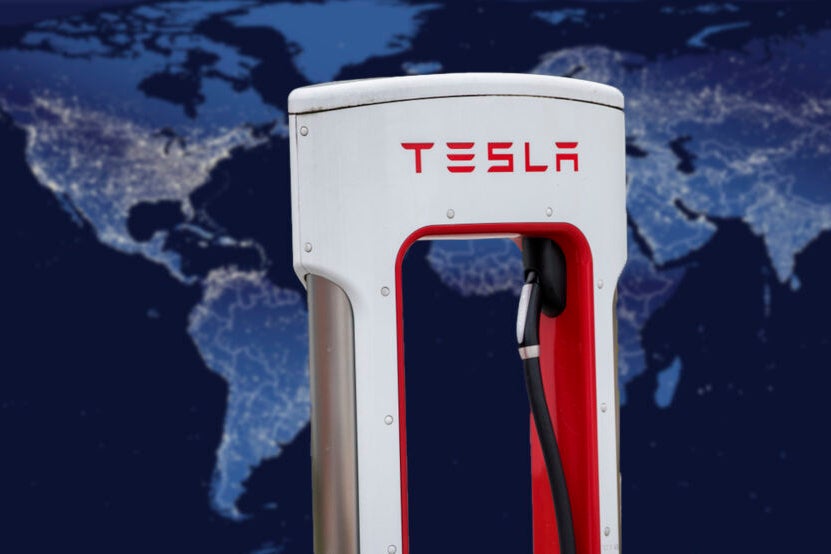
Tesla’s Supercharger Defaced: A Wake-Up Call Against Hate Symbols
Tesla, the electric vehicle giant known for its innovative technology and commitment to sustainability, recently found itself embroiled in a troubling incident when one of its Supercharger stations was vandalized with Nazi symbols. This act of hate not only shocked the community but also ignited a strong response from the company, led by Elon Musk. The incident underscores a broader societal issue regarding the resurgence of hate symbols and the responsibilities of corporations in combating them.
The Incident: What Happened at the Supercharger Station?
The incident occurred at a Supercharger station located in an area that has been increasingly reported for similar acts of vandalism. Eyewitnesses reported seeing swastikas and other hate symbols spray-painted on charging stalls, an act that not only disrespects the space but also threatens the inclusivity that Tesla strives to promote.
In response to this blatant act of discrimination, Tesla swiftly condemned the act and announced its intention to pursue legal action against the perpetrators. The company’s strong stance against hate symbols reinforces its values of diversity and acceptance, which resonate deeply with its customer base and the wider public.
Elon Musk’s Commitment to Combat Hate
Elon Musk, the CEO of Tesla, has a history of vocalizing his stance on various social issues. This incident marks yet another occasion where he has taken a firm stand against hate and discrimination. Musk’s approach to leadership has often emphasized the importance of responsibility, not just in innovation but also in societal values.
Musk stated, “We will not tolerate hate in any form. Our Supercharger stations are meant to be a welcoming space for everyone, and we will take every necessary step to ensure that our community is safe and inclusive.” This declaration is significant, as it showcases Tesla’s commitment to not only providing electric vehicles but also fostering a positive community experience.
The Broader Implications of Hate Symbols
The defacement of Tesla’s Supercharger station is not an isolated incident; it reflects a disturbing trend of rising hate crimes and symbols across the globe. Various studies indicate that there has been a significant increase in hate-related incidents, particularly in the wake of political and social upheaval. The visibility of such symbols can create an atmosphere of fear and exclusion, undermining the progress toward a more inclusive society.
- Impact on Communities: Hate symbols can alienate entire communities, creating divisions among residents. This can lead to decreased community engagement and an overall decline in local morale.
- Cultural Repercussions: Symbols of hate often provoke strong emotional responses, leading to tension and conflict within communities. This can hinder conversations about diversity and acceptance.
- Corporate Responsibility: Companies like Tesla are increasingly recognizing their role in combating hate symbols. Their resources and influence can help promote positive change.
Corporate Action Against Hate: Tesla’s Example
Tesla’s response to the vandalism serves as a model for other companies facing similar challenges. Here are some of the proactive steps that corporations can take in combating hate symbols:
- Clear Policies: Establishing clear anti-discrimination policies that outline the company’s stance against hate symbols is crucial. This ensures that employees and customers alike understand the values the company upholds.
- Community Engagement: Actively engaging with communities through outreach programs can foster understanding and cooperation, reducing the likelihood of hate incidents.
- Support for Victims: Providing support resources for victims of hate crimes can create a more inclusive environment. This can involve partnerships with local organizations that specialize in advocacy and support.
The Role of Technology in Combating Hate
As technology continues to evolve, companies like Tesla are in a unique position to leverage their platforms to combat hate. For instance, the use of artificial intelligence (AI) in monitoring and reporting hate symbols in real-time could deter future vandalism. By integrating advanced technologies into their operations, companies can not only protect their brand but also contribute to a safer environment for all.
Public Response: Support for Tesla’s Stance
The public reaction to the vandalism at the Supercharger station has been overwhelmingly supportive of Tesla’s stance. Many customers and community members have expressed their outrage over the incident and praised the company for taking swift action. Social media platforms have seen a surge of supportive messages, emphasizing a collective rejection of hate in all forms.
Community leaders have also rallied around Tesla, recognizing the importance of standing against hate symbols. Local organizations are planning events to promote inclusivity and raise awareness about the impact of hate. This community solidarity highlights a growing movement to prioritize acceptance and understanding over division.
Looking Forward: Building a Hate-Free Future
The defacement of Tesla’s Supercharger station is a stark reminder of the challenges that remain in the fight against hate. However, it also represents an opportunity for growth and positive change. As Tesla moves forward with its legal actions, the company sets a precedent for other businesses and individuals to take a stand against hate.
By fostering a culture of inclusivity and actively combating hate symbols, companies can contribute to a more accepting society. Whether through corporate policies, community engagement, or technological innovations, there are numerous avenues to promote understanding and unity.
As we reflect on this incident, let it serve as a catalyst for dialogue and action—a reminder that every individual and organization has a role to play in creating a world free from hate.
In conclusion, while Tesla’s Supercharger was defaced, the company’s reaction showcases a commitment to values that resonate far beyond its brand. The fight against hate is not just a corporate responsibility; it’s a shared societal obligation. Together, we can build a future where such symbols of hate become relics of the past.
See more Business Focus Insider Team
