
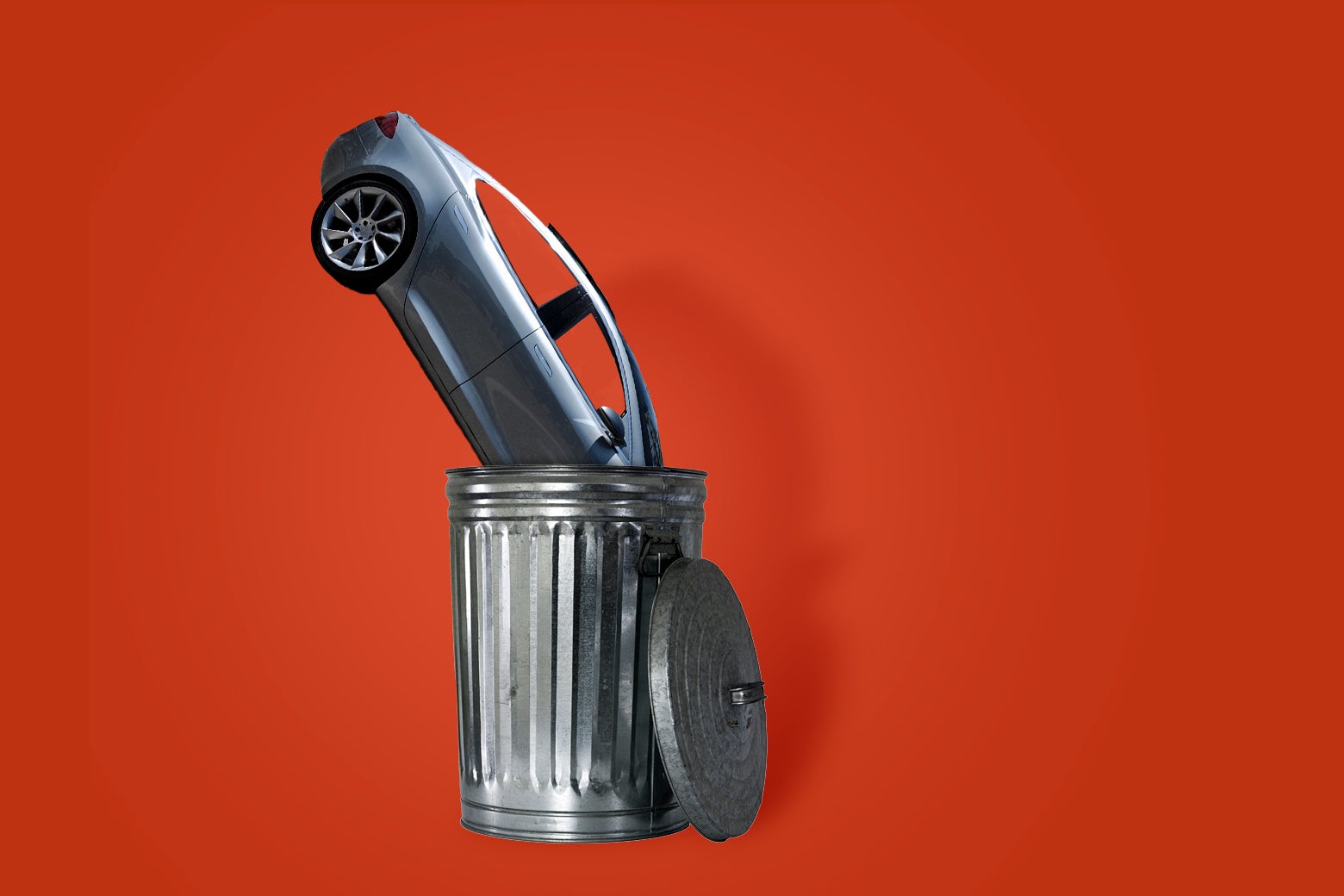
The Case Against Tesla: Analyzing the Shifting Landscape
As Tesla continues to dominate headlines and the electric vehicle (EV) market, a growing number of experts are raising concerns about the company’s long-term viability. With increasing competition, regulatory challenges, and market dynamics shifting rapidly, many are advising investors to reconsider their positions. This article delves into the factors contributing to the case against Tesla, examining why some experts believe it’s time to sell.
Market Saturation and Rising Competition
One of the most significant threats to Tesla’s dominance is the influx of competitors entering the EV market. Traditional automotive giants such as Ford, General Motors, and Volkswagen are investing heavily in electric technology, launching their own EV models that promise to rival Tesla’s offerings. In addition, new players like Rivian and Lucid Motors are gaining traction, attracting consumer interest with innovative designs and features.
- Ford’s Mustang Mach-E: A stylish and powerful electric SUV that has received positive reviews from both consumers and critics.
- GM’s Chevrolet Bolt: An affordable option that appeals to budget-conscious buyers, helping to expand the market for EVs.
- Volkswagen’s ID.4: This model has been well-received in Europe and is making its way into the U.S. market, enhancing VW’s footprint in the EV sector.
With such a diverse array of competitors, the question remains: can Tesla maintain its market share amidst this burgeoning competition? Analysts suggest that Tesla’s brand loyalty and early market entry may not be enough to fend off the encroaching rivals.
Production Challenges and Supply Chain Issues
Tesla has faced significant production challenges in recent years, particularly during the COVID-19 pandemic. The global microchip shortage has compounded these issues, leading to delays and production slowdowns. While Tesla has made strides to mitigate these challenges by securing contracts with suppliers, the ongoing supply chain disruptions pose a risk to its manufacturing capabilities.
Experts have pointed out that production inefficiencies can lead to missed revenue targets and affect Tesla’s ability to meet consumer demand. As other manufacturers ramp up their production capabilities, Tesla may struggle to keep pace, which could result in lost sales opportunities.
Regulatory Scrutiny and Legal Challenges
Another factor contributing to the case against Tesla is the increasing regulatory scrutiny the company faces. As governments around the world tighten emissions standards and impose stricter regulations on autonomous driving technologies, Tesla must navigate a complex landscape of compliance. The company’s ambitious plans for Full Self-Driving (FSD) technology have drawn particular attention, with regulators expressing concerns about safety and transparency.
- Safety investigations: Tesla’s Autopilot and FSD systems have come under fire following a series of accidents, leading to federal investigations that could impact public perception and demand.
- Emissions regulations: As more countries push for net-zero emissions, Tesla’s production practices and material sourcing may come under scrutiny, impacting its reputation and operational costs.
Valuation Concerns: Is Tesla Overvalued?
Tesla’s stock has seen meteoric rises, leading some analysts to question whether the company is overvalued. With a market capitalization that exceeds that of many traditional automakers combined, experts warn that Tesla’s valuation may not be sustainable in the long run. This concern is exacerbated by the fact that the company, despite its impressive growth, has not consistently delivered profits.
Valuation metrics such as Price-to-Earnings (P/E) ratios show that Tesla’s stock is trading at levels that suggest high future growth expectations. However, if the company fails to meet these expectations due to competition or production issues, the stock price could face significant corrections.
Consumer Sentiment and Brand Loyalty
While Tesla has cultivated a loyal customer base, shifting consumer sentiment could impact its future growth. Factors such as negative media coverage, concerns about product quality, and competition’s appeal can sway buyer preferences. If consumers perceive rival brands as offering better value, performance, or reliability, Tesla may find it increasingly challenging to attract new customers.
Moreover, as more automakers introduce EV models, consumers will have a wider variety of choices. This diversification could dilute Tesla’s brand loyalty, leading to a potential decline in sales.
Technological Innovations and Sustainability
Despite its challenges, Tesla has built a reputation for innovation, particularly in battery technology and software. However, the rapid pace of technological advancement in the automotive industry means that Tesla must continually invest in research and development to stay ahead. If competitors introduce superior technologies, Tesla could lose its competitive edge.
- Battery technology: Innovations in battery efficiency and recycling could reshape the EV market, and Tesla must ensure its offerings remain at the forefront.
- Sustainable practices: As sustainability becomes a priority for consumers, Tesla’s ability to demonstrate environmentally friendly practices will be crucial.
Conclusion: A Cautious Outlook
The case against Tesla is built on a foundation of shifting market dynamics, increasing competition, regulatory scrutiny, and valuation concerns. While the company has undoubtedly made significant strides in the EV market and continues to innovate, these factors suggest that investors should approach Tesla stock with caution. Experts point to the need for diversification in investment strategies, especially as the automotive landscape continues to evolve.
In light of these considerations, it may be prudent for investors to reassess their positions in Tesla, weighing the potential risks against the company’s past performance and future prospects. As the electric vehicle revolution unfolds, only time will tell whether Tesla can maintain its status as the industry leader or if it will be eclipsed by emerging competition.
See more Business Focus Insider Team
