
The Plummeting Value of Used Teslas: What’s Behind the Decline?
Over the past year, used Tesla vehicles have experienced a dramatic drop in resale value, leaving owners and industry analysts scrambling to understand the causes. From aggressive price cuts on new models to concerns over Elon Musk’s leadership, multiple factors are driving this decline. Here’s a deep dive into why the once-booming used Tesla market is losing its spark—and what it means for the future of the electric vehicle (EV) giant.
Aggressive Price Cuts on New Models
Tesla’s strategy of slashing prices on new vehicles has had a ripple effect on the pre-owned market. In 2023 alone, Tesla reduced prices for its Model 3 and Model Y by up to 20%, making new cars nearly as affordable as lightly used ones. According to Edmunds, the average price of a used Tesla dropped by 28% year-over-year, far steeper than the overall used EV market decline of 15%.
“When new car prices fall, used values follow suit,” explains automotive analyst Rebecca Lindland. “Tesla’s pricing strategy has essentially cannibalized its own used market.” Data from iSeeCars supports this: a one-year-old Model 3 now retains just 67% of its original value, compared to 80% for competitors like the Ford Mustang Mach-E.
Market Saturation and Waning Demand
Tesla’s rapid production growth has led to an oversupply of both new and used vehicles. In Q1 2024, Tesla produced 433,000 cars but delivered only 386,000, exacerbating inventory pressures. Rental companies like Hertz have also offloaded thousands of used Teslas, further depressing prices.
Meanwhile, consumer demand has softened. A Bloomberg survey revealed that 42% of potential EV buyers now hesitate due to concerns about charging infrastructure and battery longevity. “Tesla’s early-adopter wave has passed,” says industry consultant Mike Ramsey. “Mainstream buyers are more price-sensitive and less brand-loyal.”
Elon Musk’s Polarizing Influence
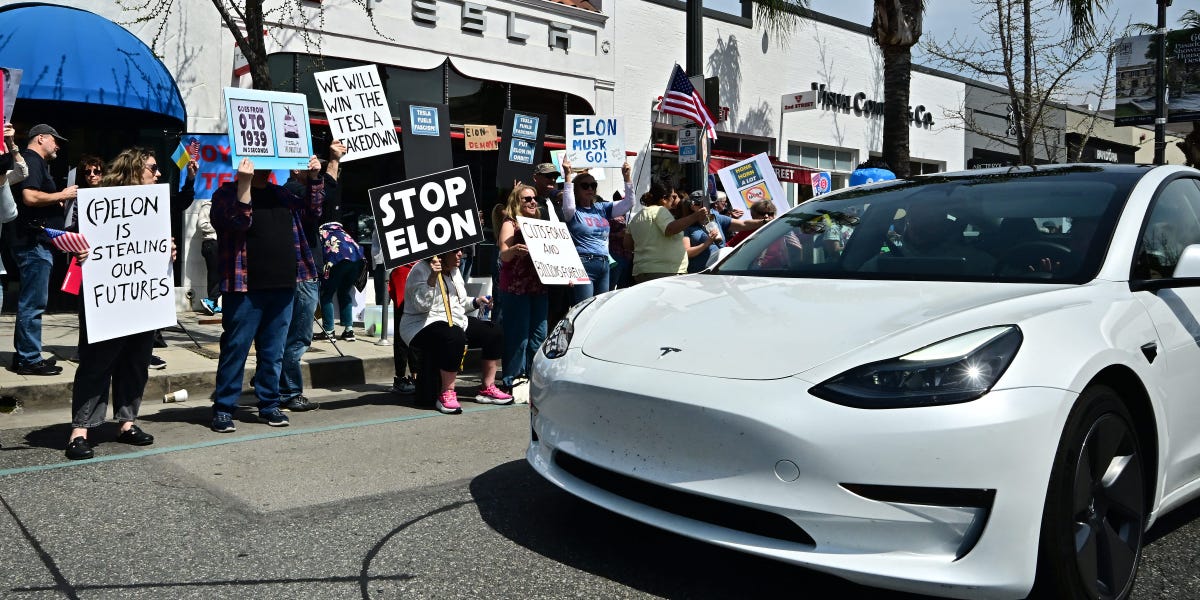
Beyond market dynamics, Tesla’s CEO has become a contentious figure. Musk’s divisive political statements and erratic management style have alienated some buyers. A Morning Consult poll found that 35% of Americans view Musk less favorably than a year ago, with younger demographics showing the sharpest decline.
“Brand perception matters, especially in the luxury segment,” notes branding expert Alicia Thompson. “When a CEO’s persona overshadows the product, it can erode consumer confidence.” While Musk’s supporters remain loyal, analysts warn that Tesla’s reliance on his personal brand is a double-edged sword.
Battery Degradation and Repair Costs
Technical concerns are also weighing on used Tesla values. Unlike traditional cars, EVs face steep depreciation due to battery degradation. A Recurrent study found that Tesla batteries lose 10-15% of their range after 100,000 miles, spooking secondhand buyers. Repair costs are another issue: Tesla’s proprietary parts and service model often leads to longer wait times and higher bills compared to legacy automakers.
- Battery replacement can cost $15,000+, negating savings from buying used.
- Software updates may exclude older models, reducing functionality.
What’s Next for Tesla and the Used EV Market?
The used Tesla slump reflects broader challenges for the EV industry, including tighter credit conditions and slower adoption rates. However, some experts see opportunity in the downturn. “This could make Teslas more accessible to budget-conscious buyers,” suggests Lindland. For Tesla, the path forward may hinge on stabilizing prices, improving service networks, and rebuilding trust.
As the market adjusts, one thing is clear: the golden era of Tesla’s resale value is over. For prospective buyers, thorough research—and perhaps waiting for prices to bottom out—is the best strategy. Want the latest updates on EV trends? Subscribe to our newsletter for in-depth analysis and expert insights.
See more Business Focus Insider Team
