
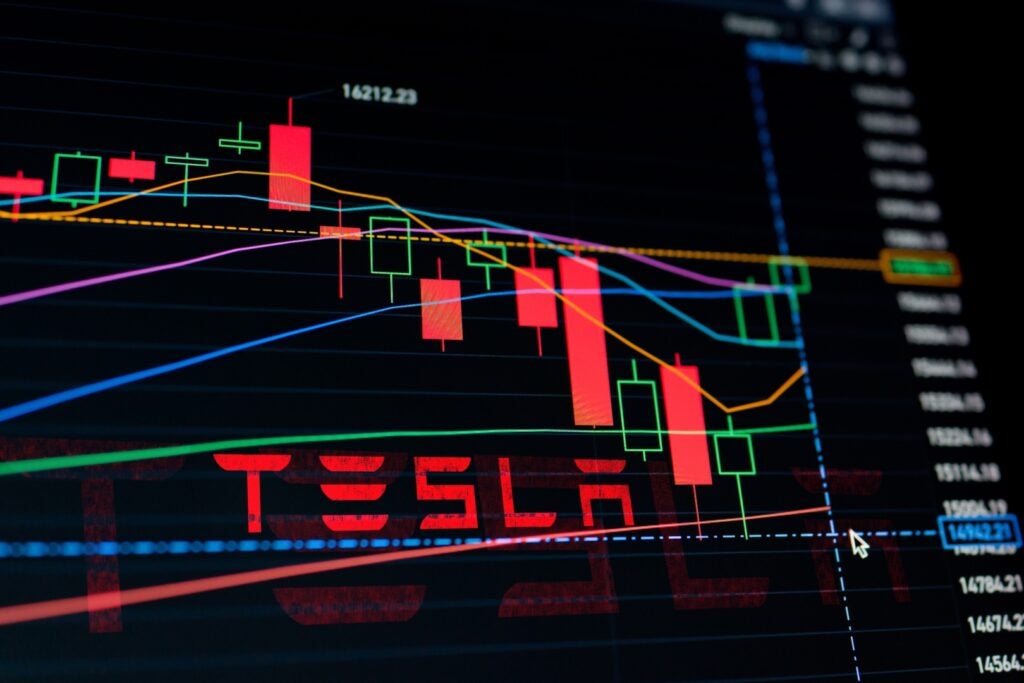
From Advocate to Skeptic: The Changing Narrative Around Tesla’s Future in 2025
Once hailed as the vanguard of the electric vehicle (EV) revolution, Tesla has captivated the hearts and minds of enthusiasts, investors, and environmental advocates alike. However, a notable shift is occurring as former ardent supporters of Elon Musk and his electric vehicle giant express growing concerns about the company’s future. This article explores the emerging skepticism surrounding Tesla as we approach 2025, highlighting the potential challenges that could impact its market position and stock performance.
The Rise of Tesla: A Brief Overview
Founded in 2003, Tesla quickly rose to prominence under the leadership of Elon Musk, becoming synonymous with electric vehicles and sustainable energy. Initially, the company was celebrated for its innovative technology, ambitious goals, and progressive vision for a greener planet. Supporters praised everything from its impressive range of vehicles to its commitment to renewable energy solutions.
Musk’s charismatic leadership and bold initiatives, such as the launch of the Model S, Model 3, and the Gigafactories, positioned Tesla as a leader in the automotive industry. By 2021, Tesla had become the most valuable car manufacturer in the world, with a market capitalization that eclipsed that of traditional auto giants like Ford and General Motors.
The Shift from Advocacy to Skepticism
Despite its remarkable journey, a growing number of former advocates are raising alarms about Tesla’s future as we approach 2025. Skepticism is brewing for a variety of reasons, including:
- Intensifying Competition: The automotive landscape is becoming increasingly crowded with established automakers and new entrants aggressively pursuing the EV market. Companies like Ford, General Motors, Volkswagen, and newcomers like Rivian and Lucid Motors are launching competitive models that challenge Tesla’s supremacy.
- Market Saturation: As the EV market grows, there are concerns that Tesla may face challenges in maintaining its market share. The company’s reliance on a relatively small number of models may hinder its ability to attract a diverse customer base.
- Supply Chain Issues: The global semiconductor shortage and supply chain disruptions have posed significant challenges for manufacturers across various industries, including Tesla. Any prolonged disruptions could impact production rates and delivery timelines.
- Regulatory Scrutiny: As EV adoption increases, so too does regulatory oversight. Tesla has faced scrutiny over its Autopilot feature and safety practices. Heightened regulations could affect Tesla’s operations and market perception.
Financial Performance and Investor Sentiment
As concerns mount, Tesla’s stock performance has become a focal point. Once viewed as a surefire investment, the stock has seen fluctuations that have left many investors questioning the company’s long-term viability. Key factors influencing investor sentiment include:
- Valuation Concerns: Tesla’s astronomical market valuation has raised eyebrows. Critics argue that the company’s price-to-earnings (P/E) ratio is unsustainable, especially as competition heats up.
- Profit Margins: While Tesla has achieved profitability in recent years, analysts are closely monitoring its profit margins. Any decline in margins due to rising material costs or pricing pressures could impact investor confidence.
- Growth Projections: Tesla’s ambitious growth projections have been scrutinized. With plans to ramp up production and enter new markets, the feasibility of these projections is under debate.
Consumer Perception and Brand Loyalty
Consumer perception is pivotal in determining Tesla’s future. The brand has enjoyed a loyal following, but recent dissatisfaction among customers raises questions about its sustainability. Several factors influencing consumer sentiment include:
- Quality Control Issues: Reports of quality control problems and customer service complaints have emerged, prompting some consumers to reconsider their loyalty to the brand.
- Competing Technologies: As competitors develop their EV technologies, consumers may be drawn to alternatives that offer similar or superior features, further eroding Tesla’s market share.
Technological Innovations and Challenges
Innovation has been Tesla’s hallmark, yet the pace of technological advancement is a double-edged sword. While Tesla continues to invest in research and development, it faces challenges in maintaining its lead:
- Battery Technology: Advances in battery technology are critical for EV performance. Tesla’s ability to innovate in this area will significantly impact its competitiveness. Rivals are making strides in battery efficiency, which could threaten Tesla’s edge.
- Autonomous Driving: Tesla’s Autopilot feature has garnered attention, but the path to fully autonomous driving remains fraught with challenges. Regulatory hurdles and technical limitations could hinder Tesla’s progress in this area.
Looking Ahead: What’s Next for Tesla?
As we gaze into the crystal ball of 2025, what lies ahead for Tesla? While challenges abound, there are also opportunities that could shape the company’s trajectory:
- Expansion into New Markets: Tesla’s plans to enter markets in Asia and Europe could provide new avenues for growth, but successful execution will be crucial.
- Collaboration and Partnerships: Strategic partnerships with tech companies could enhance Tesla’s capabilities and help address challenges related to software and hardware.
- Continued Innovation: Tesla’s commitment to innovation will be vital. Continued advancements in battery technology, software development, and sustainable practices could solidify its position as a market leader.
Conclusion: A Call for Cautious Optimism
The transition from advocate to skeptic regarding Tesla’s future underscores the complexities of the automotive industry and the rapidly evolving landscape of electric vehicles. While challenges are certainly present, the potential for innovation and growth remains. Investors, consumers, and industry watchers must approach Tesla’s future with cautious optimism, considering both the risks and rewards that lie ahead.
As we move closer to 2025, it will be crucial for Tesla to adapt and respond to the shifting dynamics of the market, ensuring that it not only maintains its legacy as a pioneer in the EV revolution but also secures a sustainable future in an increasingly competitive environment.
See more Business Focus Insider Team
