
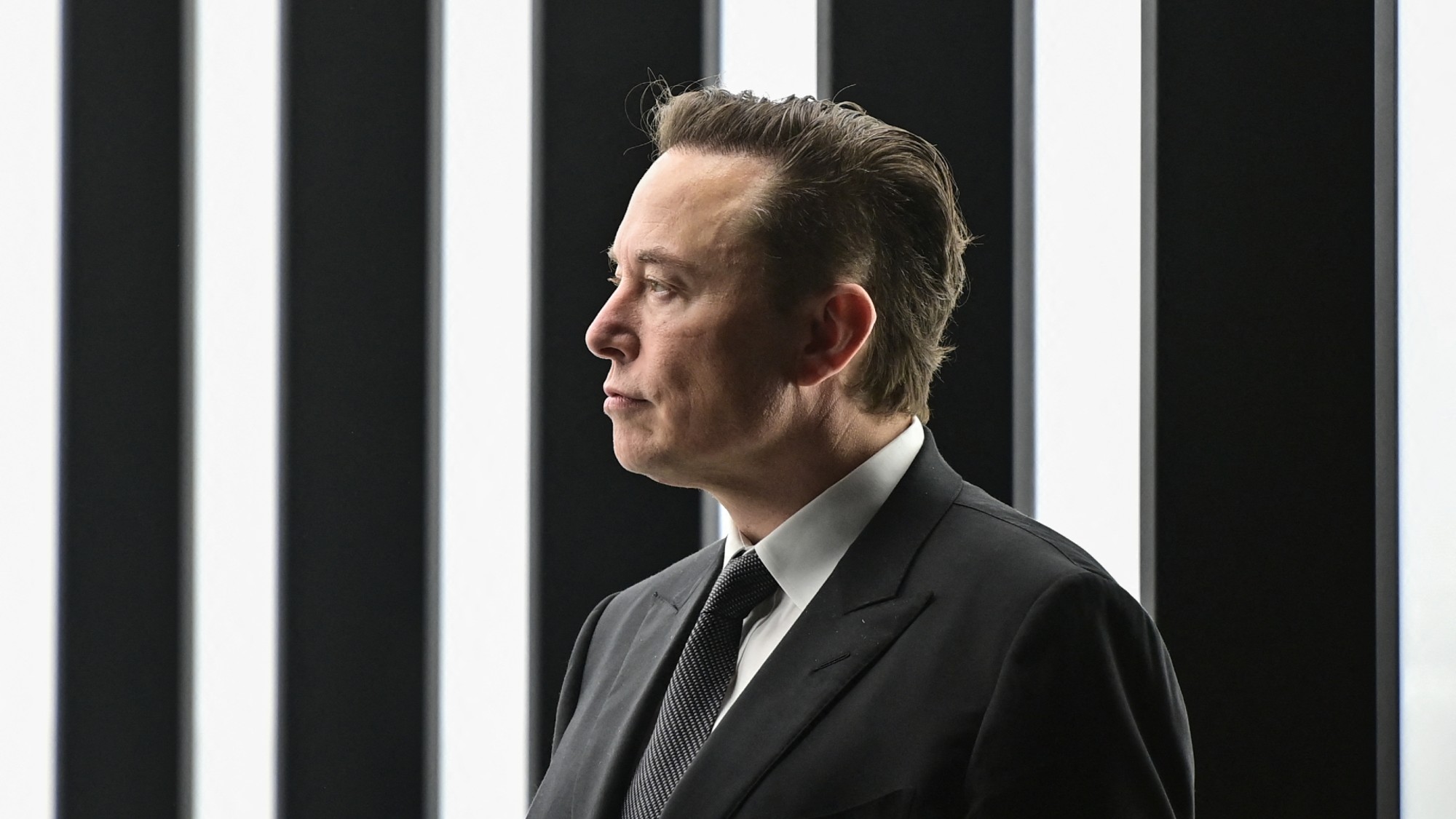
Can Tesla Thrive Without Elon Musk? The Leadership Dilemma
As Elon Musk increasingly divides his attention between Tesla, SpaceX, X (formerly Twitter), and other ventures, investors and industry analysts question whether the electric vehicle (EV) pioneer can sustain its dominance without its visionary CEO. With Tesla’s stock price fluctuating amid Musk’s controversial public statements and shifting priorities, experts debate the company’s preparedness for a potential leadership transition—and whether its innovative culture can survive beyond its iconic founder.
Tesla’s Success: Musk’s Genius or a Resilient System?
Since its founding in 2003, Tesla has become synonymous with Elon Musk, whose bold risk-taking and showmanship propelled the company from niche startup to global EV leader. Under Musk, Tesla achieved:
- A market cap exceeding $800 billion at its 2021 peak
- Over 1.8 million vehicles delivered in 2023
- Industry-leading profit margins of 15-20% per vehicle
However, critics argue Tesla’s recent successes—like its scalable Gigafactories and industry-best software—stem from institutionalized systems, not just Musk’s leadership. “Tesla’s real innovation isn’t its cars; it’s its vertically integrated manufacturing playbook,” says automotive analyst Rebecca Chen. “That framework could outlast Musk if executed properly.”
The Risks of Musk’s Diminished Role
Musk’s involvement in multiple companies has already raised concerns. In 2022, Tesla’s board admitted his Twitter acquisition distracted him from EV operations, coinciding with a 65% stock plunge. Meanwhile, competitors like BYD and Ford gained ground, with BYD surpassing Tesla in global EV sales in Q4 2023.
“Investors tolerate Musk’s divided focus because they believe no one else can drive Tesla’s vision,” notes hedge fund manager David Kwon. “But that’s a dangerous assumption. Tesla’s valuation hinges on perpetual growth, and execution missteps could unravel it quickly.”
Post-Musk Strategies: How Tesla Could Evolve
1. Leveraging Existing Talent and Culture
Tesla’s C-suite includes proven leaders like CFO Vaibhav Taneja and design chief Franz von Holzhausen, who helped scale production from 500,000 cars in 2020 to nearly 2 million annually. The company’s “first principles” problem-solving approach—questioning norms like legacy automakers’ dealership models—is now ingrained in its culture.
2. Doubling Down on Autonomy and AI
With over 300 million miles of real-world self-driving data, Tesla’s Full Self-Driving (FSD) software remains a key advantage. If perfected, FSD could generate $50 billion annually by 2030 through subscriptions and robotaxis, Morgan Stanley estimates. A Musk-less Tesla might pivot from charismatic reveals to steady tech refinement.
3. Expanding Into New Markets
Emerging economies like India and Southeast Asia offer growth potential as U.S. and European demand plateaus. Tesla’s rumored $25,000 compact car, developed independently of Musk’s input per insiders, could capture these markets by 2025.
Investor Sentiment and Market Realities
A 2023 Bernstein survey revealed 72% of Tesla shareholders view Musk as “critical” to the company’s success. Yet historical precedents suggest otherwise:
- Apple’s stock grew 1,200% after Steve Jobs’ death, driven by Tim Cook’s supply-chain expertise
- Microsoft thrived post-Bill Gates by embracing cloud computing under Satya Nadella
“Tesla’s biggest challenge isn’t replacing Musk’s ideas—it’s replacing his ability to inspire confidence,” argues Wharton professor Emily Boudreau. “The right COO could provide operational stability while preserving the innovative spark.”
The Road Ahead: Scenarios for a Musk-Free Tesla
Industry observers outline three potential futures:
- Decline: Without Musk’s rallying influence, talent exodus and execution failures erode Tesla’s tech edge.
- Stagnation: Tesla becomes “just another automaker,” losing its premium valuation as competitors catch up.
- Reinvention: New leadership diversifies into energy storage and AI, leveraging Tesla’s brand loyalty and infrastructure.
As Tesla’s board reportedly reviews succession plans, the company’s 20,000+ patents and cult-like customer base provide a buffer. But in an industry where 70% of EV startups fail within five years, per McKinsey data, Tesla’s post-Musk era will test whether true innovation can be institutionalized—or if it leaves with the innovator.
For ongoing analysis of Tesla’s leadership strategy, subscribe to our EV Industry Insider newsletter for weekly updates.
See more Business Focus Insider Team
