
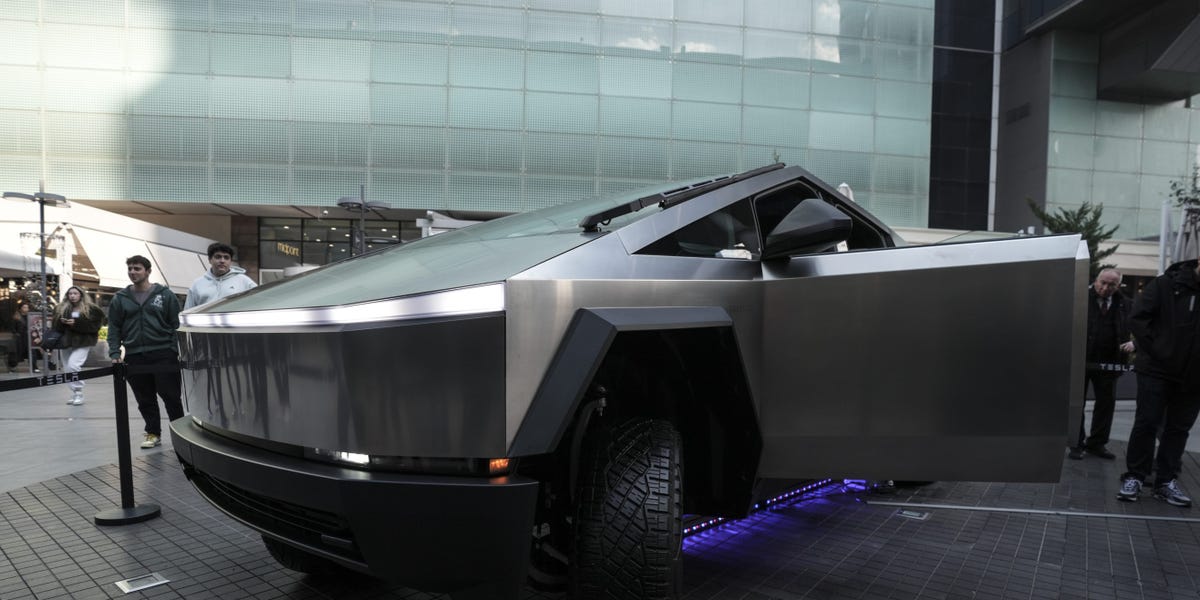
Tesla’s Cybertruck Faces Scrutiny as It Arrives in Saudi Arabia and Dubai
Tesla’s polarizing Cybertruck is making its Middle Eastern debut in Saudi Arabia and Dubai this month, marking a pivotal moment for Elon Musk’s electric vehicle (EV) empire. The angular stainless-steel pickup, which began deliveries in the U.S. last December, now confronts a unique set of regulatory, cultural, and competitive challenges in oil-rich Gulf markets. While early adopters celebrate its futuristic design, industry analysts question whether the vehicle can overcome regional skepticism about EVs and Tesla’s recent brand volatility.
A Bold Entry Into Oil Country
The Cybertruck’s arrival in the UAE and Saudi Arabia represents a strategic gamble for Tesla. These nations, though aggressively diversifying their economies, remain synonymous with fossil fuels. Saudi Arabia derives 50% of its GDP from oil, while the UAE ranks as the world’s seventh-largest oil producer. Yet both countries have launched ambitious EV initiatives:
- Saudi Arabia aims for 30% of Riyadh’s vehicles to be electric by 2030
- Dubai plans to have 42,000 EVs on its roads by 2030
- The UAE’s EV market is projected to grow at 30% CAGR through 2028
“Introducing the Cybertruck here is like selling ice in the Arctic—it requires completely reframing the value proposition,” says automotive analyst Rania Hoteit. “Tesla isn’t just competing with other trucks; it’s fighting decades of petro-culture.”
Design and Practicality Concerns Surface
The Cybertruck’s unconventional aesthetics and features have sparked heated debates among potential buyers. Its ultra-hard stainless steel exoskeleton, while durable, complicates repairs—a significant factor in regions where sandstorms frequently damage vehicles. Local automotive forums reveal mixed reactions:
- Pro: “It looks like a spaceship landed in the desert—perfect for Dubai’s futuristic vibe” (Ahmed K., Dubai investor)
- Con: “The bed is too small for serious hauling, and where do I mount my rifle?” (Faisal N., Riyadh outdoorsman)
Tesla has adapted some features for Middle Eastern buyers, including enhanced air filtration and a “desert mode” for dune driving. However, the vehicle’s 6,800-pound weight exceeds many regional road limits for personal vehicles.
Market Strategy Under the Microscope
Tesla’s regional pricing strategy raises eyebrows. The Cybertruck starts at $81,000 in Saudi Arabia—nearly 20% above U.S. prices after import duties. This positions it against luxury SUVs like the Range Rover, which dominate Gulf roads. “They’re targeting status-conscious buyers, not traditional truck users,” notes Hoteit. “It’s a niche play in markets that typically favor established luxury brands.”
Competition looms from local players. Saudi Arabia’s Ceer Motors and Dubai’s M Glory have announced electric SUVs priced 40% below Tesla’s offerings. Meanwhile, Chinese EV makers like BYD and Nio are gaining traction with more conventional designs tailored to regional preferences.
Infrastructure and Policy Hurdles
Charging infrastructure remains patchy outside major cities. While Dubai boasts 300+ charging stations, Saudi Arabia has fewer than 50 public units nationwide. Tesla’s proprietary charging network gives it an edge, but recent agreements to open Superchargers to other brands could dilute this advantage.
Government policies add complexity. Saudi Arabia requires automakers to establish local manufacturing for certain incentives—a hurdle Tesla has yet to clear. The UAE offers generous EV perks including:
- Free parking in Dubai until 2025
- Salik (toll) exemptions
- Reduced registration fees
Expert Perspectives on Tesla’s Gamble
“The Cybertruck is a brand halo, not a volume play,” suggests MIT technology researcher Dr. Elias Farah. “Tesla knows pickup adoption will be low, but they’re planting a flag for future models. In five years, when Gulf states hit their EV targets, Tesla wants to be the first name buyers recall.”
Conversely, Riyadh-based auto journalist Sara Al-Mansour argues: “Without local assembly or competitive financing, Tesla risks becoming a boutique brand here. The Cybertruck’s success hinges on whether Emirates and Saudis see it as technology art or a practical vehicle.”
What’s Next for Tesla in the Middle East?
Tesla plans to open three new service centers in the Gulf this year and has partnered with local solar companies to promote bundled energy solutions. The automaker is also rumored to be developing a right-hand-drive Cybertruck variant for other Asian markets, which could benefit Middle Eastern buyers due to similar vehicle standards.
Industry watchers suggest Tesla’s long-game involves leveraging Cybertruck buzz to secure favorable terms for future Gigafactory investments. Both Saudi Arabia and the UAE have expressed interest in hosting EV production facilities as part of their economic diversification plans.
As desert sun glints off the Cybertruck’s angular panels in Dubai showrooms this month, one truth becomes clear: Tesla’s Middle Eastern ambitions extend far beyond selling stainless-steel oddities. The company is testing whether its vision of the future can take root in lands just beginning to imagine life after oil.
For those tracking EV adoption curves, the coming months will reveal whether Gulf consumers embrace Tesla’s radical design language or demand more conventional electric alternatives. Share your perspective on social media using #CybertruckDesertChallenge.
See more Business Focus Insider Team
