
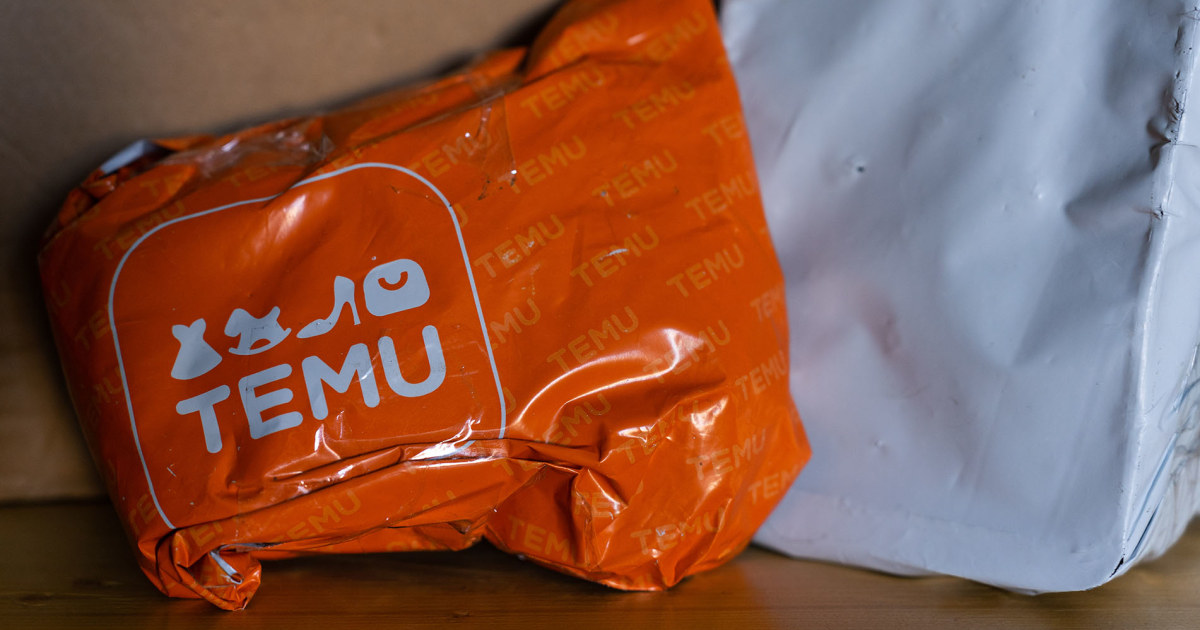
Temu’s Shipping Shake-Up: What the End of the De Minimis Tariff Means for Consumers
In a dramatic policy shift, Chinese e-commerce giant Temu has suspended direct shipping to the U.S. following the closure of the de minimis tariff loophole. Effective immediately, the $800 duty-free threshold for small international packages no longer applies to Chinese goods, forcing Temu to restructure its supply chain. This abrupt change threatens the rock-bottom prices that made Temu a consumer favorite while sparking debates about fair trade practices.
The De Minimis Loophole: A Brief History
For decades, the de minimis rule allowed U.S. consumers to import goods valued under $800 without paying duties or taxes. Originally designed for small personal purchases, the provision became a cornerstone of Temu’s business model. The company shipped 30% of its U.S. orders directly from Chinese warehouses, according to 2023 logistics data, leveraging the loophole to undercut domestic retailers by 20-40% on comparable items.
“This was never the intent of de minimis,” argues trade economist Dr. Lisa Chen of Georgetown University. “When a single company ships 600,000 packages daily under the threshold, it distorts entire markets.” Recent U.S. Customs data shows Chinese sellers accounted for 60% of all de minimis shipments in 2023, up from 35% in 2020.
Immediate Impact on Temu’s Operations
Temu’s transition involves three key changes:
- Rerouting shipments through third-party U.S. warehouses
- Increasing inventory in North American fulfillment centers
- Absorbing new tariff costs or passing them to consumers
The company confirmed these measures in a statement: “We’re adapting our logistics network to ensure continued service.” However, supply chain experts predict 2-5 day delivery times will stretch to 7-14 days during the transition period.
Consumer Consequences: Higher Prices, Fewer Bargains
Shoppers accustomed to Temu’s $5 wireless earbuds and $3 phone cases face sticker shock. Early analysis suggests price increases of 15-25% on affected items. “The golden age of ultra-cheap Chinese imports may be ending,” notes retail analyst Mark Richardson. His firm projects Temu’s average order value will rise from $25 to $32 by Q3 2024.
Some consumers see benefits in the change. “Maybe now my local hardware store can compete,” says small business owner Javier Mendez. But college student Aisha Johnson laments, “This cuts off affordable access to tech accessories that aren’t sold here.”
Broader Implications for E-Commerce
The policy shift extends beyond Temu. Other Chinese platforms like Shein and AliExpress face similar challenges, potentially reshaping the global e-commerce landscape. Key developments to watch include:
- Increased investment in U.S. warehousing by foreign retailers
- Possible resurgence of domestic manufacturers for low-cost goods
- New trade agreements to address e-commerce-specific loopholes
Meanwhile, the National Retail Federation reports 68% of U.S. retailers support closing the de minimis loophole, while consumer advocacy groups warn about reduced purchasing power.
What’s Next for Cross-Border Shopping?
Industry observers predict three potential outcomes:
- Hybrid fulfillment models: Splitting inventory between overseas and domestic warehouses to balance cost and speed
- Subscription solutions: Membership programs to offset tariff costs through bulk shipping
- Regional manufacturing: Nearshoring production to Mexico or Southeast Asia
“This isn’t the end of global e-commerce,” assures logistics expert Priya Kapoor, “but it does mark the end of an era where geography didn’t matter for small purchases.”
As Temu recalibrates its strategy, consumers should prepare for longer wait times and carefully compare total costs. For those seeking alternatives, consider exploring local retailers or bulk purchase cooperatives that may emerge to fill the void.
See more Business Focus Insider Team
