
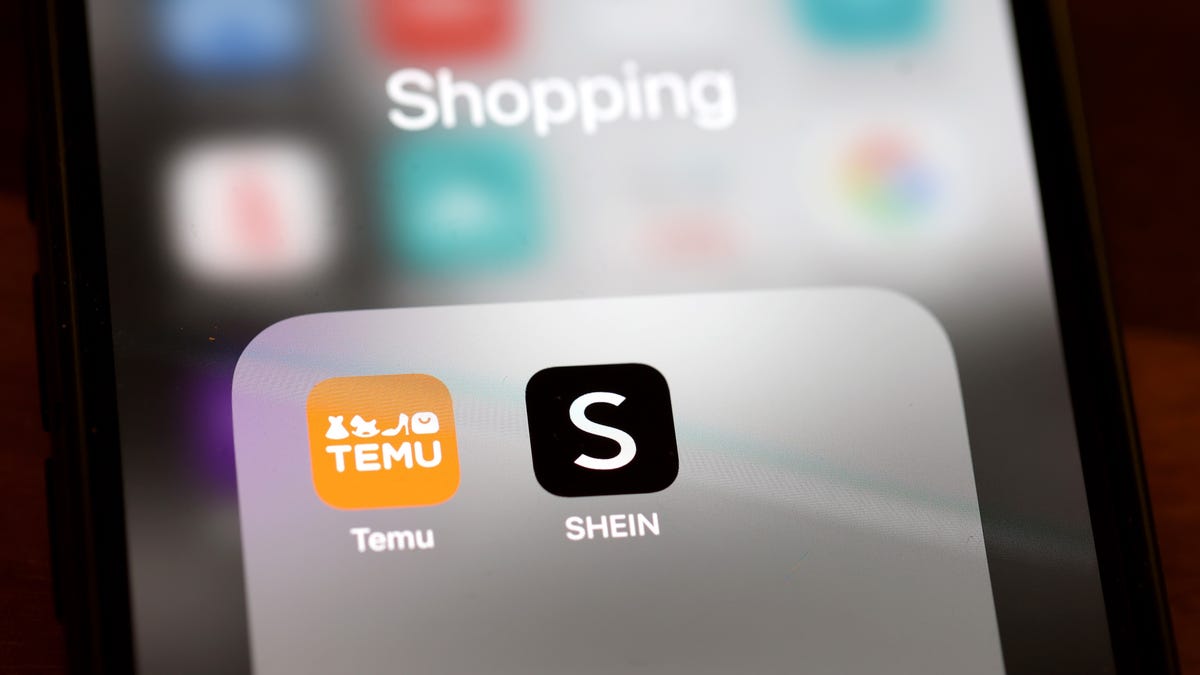
Rising Costs: The Price Surge of Temu and Shein Explained
Online shopping giants Temu and Shein, known for their ultra-affordable fashion and home goods, are raising prices amid shifting global trade dynamics, higher logistics costs, and increased regulatory scrutiny. Over the past six months, consumers have noticed gradual price hikes on everything from $5 dresses to $10 electronics. Industry analysts attribute these changes to inflation, supply chain disruptions, and new tariffs—raising questions about whether the era of dirt-cheap e-commerce is ending.
Why Are Temu and Shein Prices Increasing?
Several interconnected factors are driving the upward price trend for these platforms:
- Rising Shipping Costs: Global freight rates have climbed 20% year-over-year due to Red Sea shipping disruptions and higher fuel prices, according to the Freightos Baltic Index.
- Tariffs and Trade Policies: The U.S. recently revoked China’s “de minimis” tariff exemption for small packages under $800, directly impacting Shein and Temu’s low-cost model.
- Inflation in Manufacturing Hubs: Labor and material costs in Chinese production centers have increased by 8-12% since 2022, per the China Price Index.
“These platforms built their empires on razor-thin margins,” explains retail analyst Miranda Chen of Bernstein Research. “When three or four cost factors shift simultaneously, even a $1 price increase becomes necessary for survival.”
Consumer Backlash and Competitive Pressures
Social media platforms reveal growing frustration among budget-conscious shoppers. TikTok videos with #TemuPriceHike have garnered 14 million views, while Reddit threads document side-by-side price comparisons showing 15-30% increases on identical Shein items from 2023.
However, some economists argue the changes reflect market maturation. “We’re seeing a correction,” notes Dr. Samuel Ortiz, professor of international trade at NYU. “When Temu launched in 2022, they absorbed losses to gain market share. Now investors demand profitability—and consumers foot the bill.”
How the Price Surge Compares to Traditional Retail
Despite increases, Temu and Shein often remain cheaper than competitors:
| Product | Temu 2023 Price | Temu 2024 Price | Walmart/Target Price |
|---|---|---|---|
| Women’s Summer Dress | $7.99 | $9.49 | $14.99-$19.99 |
| Wireless Earbuds | $12.99 | $15.99 | $24.99+ |
This relative affordability explains why 68% of surveyed shoppers still prefer these platforms despite price hikes, according to a recent Piper Sandler report.
The Sustainability Question
Experts debate whether current pricing reflects true costs:
- Environmental Costs: The “fast fashion” model generates 92 million tons of waste annually (UNEP data).
- Ethical Concerns: U.S. lawmakers allege some low prices rely on exploitative labor practices currently under investigation.
Shein recently announced a 5-7% price premium for its “Responsible Edit” line using recycled materials, while Temu introduced carbon-offset options at checkout for select items.
What’s Next for Budget-Conscious Shoppers?
Analysts predict three potential outcomes:
- Continued Gradual Increases: Prices may rise another 10-15% by 2025 as platforms balance costs with customer retention.
- Subscription Models: Shein is testing a $99/year “VIP Program” with exclusive discounts.
- Localized Production: Both companies are exploring factories in Mexico and Southeast Asia to circumvent tariffs.
For now, consumers adapt by:
- Stacking discount codes (Temu offers 30% off first orders)
- Buying in bulk during flash sales
- Comparing prices across platforms using browser extensions
“The golden age of $3 T-shirts might be over,” concludes Chen, “but these companies will fight to remain the affordable alternative.” Savvy shoppers can stay ahead by tracking price trends and timing purchases strategically.
How have Temu and Shein price changes affected your shopping habits? Share your experiences with our consumer insights team.
See more Business Focus Insider Team
