
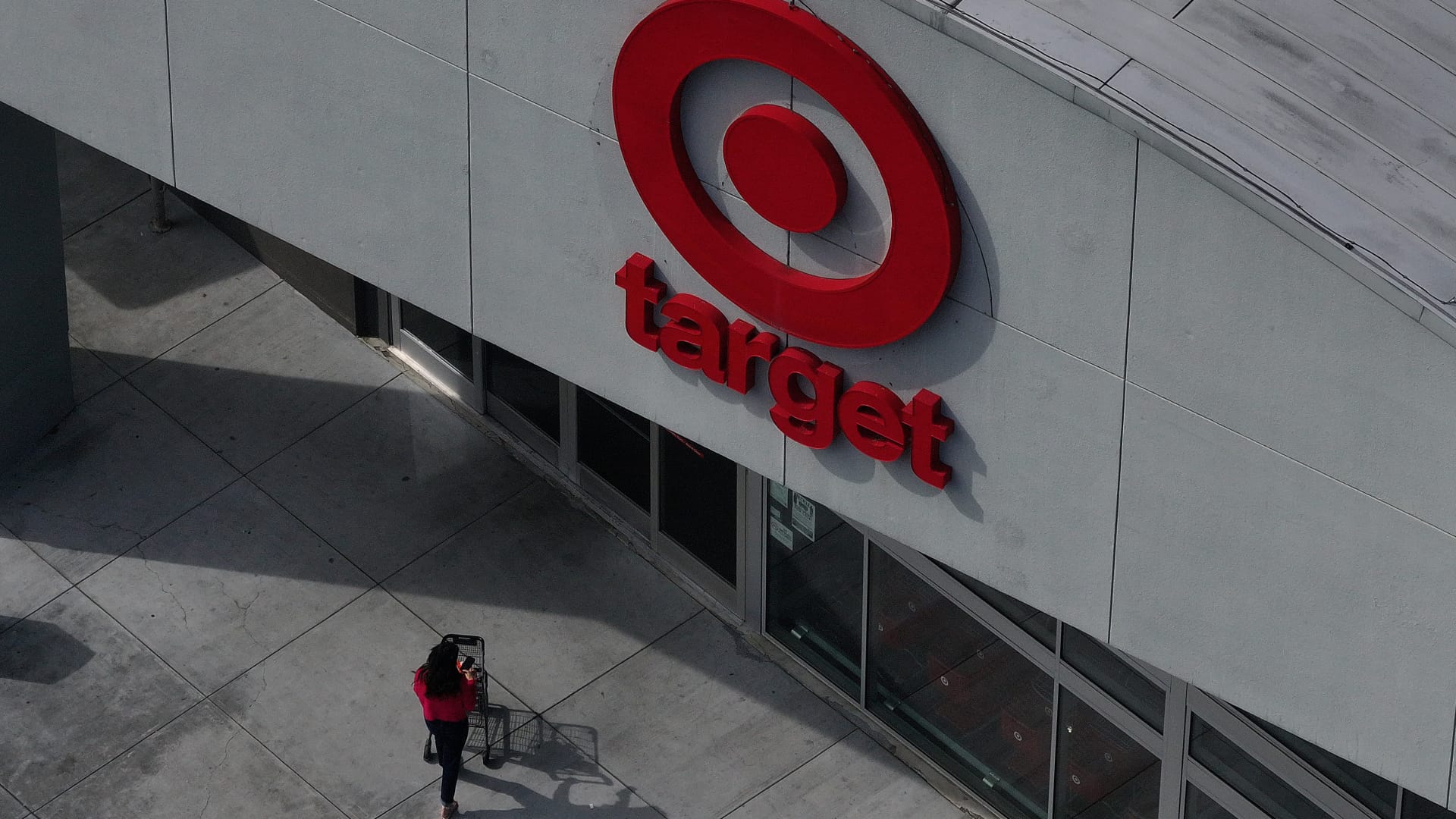
Target’s Ambitious Online Marketplace Expansion
Target, a prominent player in the retail sector, is setting its sights on a monumental goal—an ambitious online marketplace expansion that aims to generate $15 billion in sales growth by the year 2030. This strategic move is a response to the ever-evolving landscape of e-commerce and the increasing competition from giants like Amazon and Walmart. By diversifying its product offerings and enhancing its online presence, Target is positioning itself as a formidable contender in the digital retail space.
The Rationale Behind Target’s Expansion Strategy
The retail industry has witnessed seismic shifts over the past decade, primarily driven by the growing preference for online shopping. Consumers are increasingly gravitating towards platforms that offer convenience, variety, and competitive pricing. In light of this trend, Target’s ambitious online marketplace expansion is not merely a business strategy but a necessary evolution to remain relevant.
- Market Trends: The acceleration of e-commerce, especially post-pandemic, has led to a significant increase in online spending. Target aims to tap into this market by expanding its digital footprint.
- Consumer Expectations: Today’s consumers expect a seamless shopping experience, which includes a robust online marketplace that can cater to diverse needs.
- Competitive Pressure: With competitors like Amazon continuously innovating and expanding their offerings, Target recognizes the urgency to enhance its marketplace to retain and attract customers.
Diverse Product Offerings: A Key Component
Central to Target’s ambitious online marketplace expansion is the diversification of its product offerings. By broadening the range of items available on its platform, Target aims to create a one-stop-shop experience for consumers. This initiative includes:
- Third-Party Sellers: Allowing third-party vendors to sell their products on Target’s platform will significantly increase the variety of items available, from niche products to popular brands.
- Exclusive Collaborations: Target is known for its collaborations with designers and brands. Expanding this initiative to include exclusive online offerings will attract shoppers looking for unique items.
- Enhanced Categories: Target plans to enhance categories such as home goods, electronics, and apparel to cater to all customer needs.
Investing in Technology and Infrastructure
To support its ambitious online marketplace expansion, Target is making substantial investments in technology and infrastructure. This includes:
- Website Optimization: Improving the user interface and user experience on its website and mobile app to ensure that customers can easily navigate and find products.
- Logistics and Fulfillment: Enhancing logistics capabilities to ensure faster delivery times and better inventory management.
- Data Analytics: Utilizing data analytics to better understand consumer behavior and preferences, allowing for more personalized shopping experiences.
Marketing Strategies to Drive Online Sales
As part of its ambitious online marketplace expansion, Target will implement robust marketing strategies to drive traffic and sales. These strategies will focus on:
- Social Media Engagement: Leveraging platforms like Instagram and TikTok to promote new products and exclusive online deals.
- Email Marketing: Utilizing targeted email campaigns to inform customers about new arrivals, special promotions, and personalized recommendations.
- Influencer Partnerships: Collaborating with influencers to reach wider audiences and generate buzz around new product launches.
The Importance of Customer Experience
In the competitive retail landscape, customer experience is paramount. Target’s ambitious online marketplace expansion places a strong emphasis on creating a positive shopping experience. Key components include:
- Customer Support: Providing exceptional customer service through multiple channels, including chat support and phone assistance.
- Easy Returns: Implementing hassle-free return policies that encourage online shoppers to purchase with confidence.
- Personalization: Utilizing data to offer personalized product recommendations based on past purchases and browsing behavior.
Challenges Ahead
Despite Target’s ambitious plans, the journey towards a successful online marketplace expansion is fraught with challenges. Some of these challenges include:
- Intense Competition: The retail landscape is saturated with competitors, making it crucial for Target to differentiate itself effectively.
- Supply Chain Issues: Ongoing supply chain disruptions can pose significant hurdles in meeting customer demand.
- Technological Hurdles: Implementing new technologies and ensuring seamless integration can be complex and costly.
Looking Ahead: The Future of Target’s Marketplace
As Target embarks on this ambitious online marketplace expansion, the future looks promising. The goal of achieving $15 billion in sales growth by 2030 is not just a number; it represents a vision for a redefined shopping experience that prioritizes convenience and variety. With a holistic strategy that encompasses product diversification, technological investments, and exceptional customer service, Target is poised to carve out a significant share of the online retail market.
In conclusion, Target’s ambitious online marketplace expansion is a bold and necessary step in adapting to the changing retail landscape. By focusing on the right strategies, investing in technology, and prioritizing customer experience, Target is not just aiming for sales growth but is also redefining what it means to shop online. As they move forward, the retail giant is sure to keep a close eye on market trends, consumer preferences, and innovations that could further enhance their ambitious journey.
See more Business Focus Insider Team
