
The Return of Supersonic Flight: A Profitable Future or Just a Dream?
As the aviation industry evolves, the concept of supersonic flight is making a dramatic comeback. With technological advancements that promise to make faster-than-sound travel not only viable but also sustainable, the question arises: can this be a profitable future for airlines, or is it merely a dream that will never take flight? In this article, we will delve into the current landscape of supersonic travel, exploring its historical context, technological innovations, potential profitability, and the myriad challenges that lie ahead.
A Brief History of Supersonic Flight
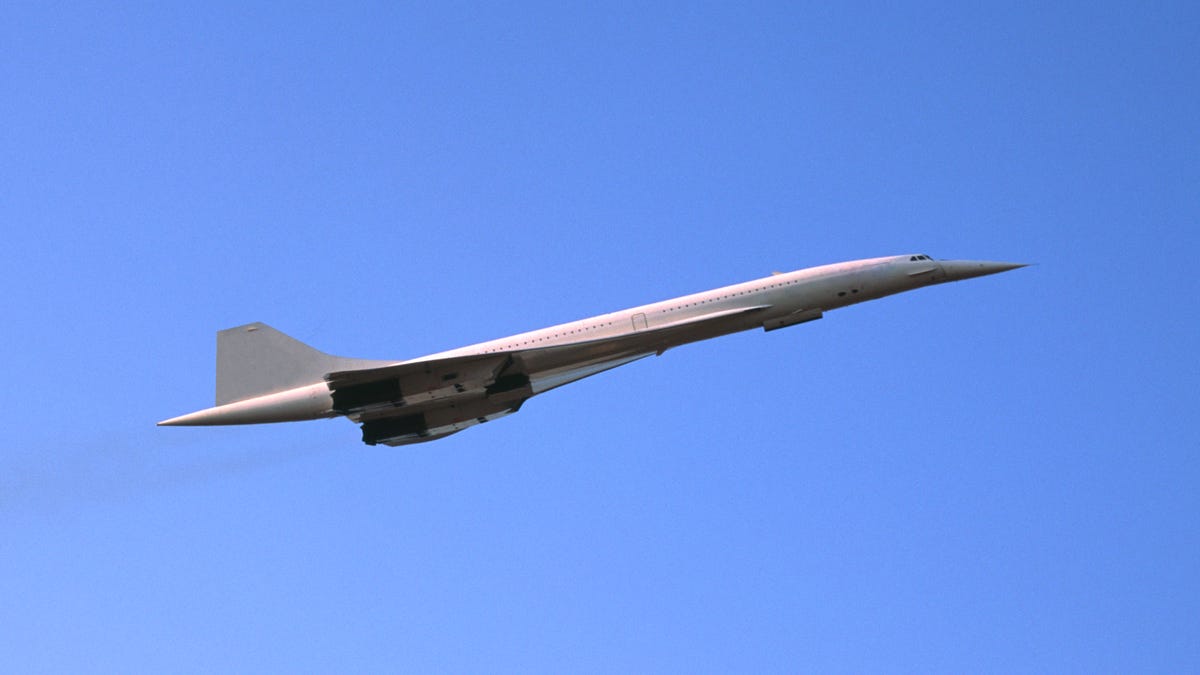
Supersonic flight first entered the public consciousness in the 20th century with the introduction of the Concorde, which began service in 1976. This iconic aircraft could fly at speeds over twice the speed of sound, drastically cutting travel times across the Atlantic. However, despite its technological marvel, the Concorde was retired in 2003, primarily due to economic factors, high operational costs, and environmental concerns.
In the decades following its retirement, supersonic travel became a niche interest, overshadowed by advancements in subsonic aviation. Yet, as global demand for air travel continues to surge, the aviation industry is once again looking to the supersonic realm. The return of supersonic flight promises not only to revive the thrill of faster travel but also to reshape the aviation landscape.
Technological Innovations Fueling the Revival
The current wave of interest in supersonic travel is being driven by significant technological advancements. Companies like Boom Supersonic and Aerion Supersonic are at the forefront, developing new aircraft designed to overcome the limitations faced by their predecessors.
- Noise Reduction: One of the major hurdles for supersonic flight has been the sonic boom, which creates a loud noise barrier that can disturb communities below. Innovations in aerodynamics are leading to designs that minimize this effect. For instance, Boom Supersonic’s Overture aims to produce a quieter sonic boom, making it more acceptable for overland travel.
- Fuel Efficiency: The aviation industry is increasingly focused on sustainability. New supersonic aircraft are being designed to be more fuel-efficient, utilizing alternative fuels and advanced materials that reduce weight and increase efficiency.
- Advanced Materials: The use of next-gen materials such as carbon composites can significantly enhance performance while lowering the environmental footprint. These materials are not only lighter but also more resilient, allowing for faster speeds and greater fuel efficiency.
The Potential for Profitability
With advancements in technology, the prospect of profitable supersonic travel is becoming more tangible. Airlines are increasingly recognizing the potential for a market that caters to business travelers and affluent customers willing to pay a premium for reduced travel times.
Market analysts estimate that the global market for supersonic travel could be worth billions within the next decade. The ability to fly from New York to London in under three hours could transform the business travel market, enticing companies to invest in faster travel options. Furthermore, the growing trend of globalization means that time is of the essence for many businesses, making supersonic options increasingly attractive.
Challenges Facing the Supersonic Market
Despite the promising outlook, the road to widespread supersonic travel is fraught with challenges. Several hurdles must be navigated before this dream can become a reality.
- Regulatory Hurdles: Regulatory bodies like the Federal Aviation Administration (FAA) and the European Union Aviation Safety Agency (EASA) impose strict guidelines on noise and emissions. Gaining approval for supersonic flights, particularly over land, will require overcoming significant regulatory obstacles.
- Environmental Concerns: The aviation industry is under increasing scrutiny regarding its environmental impact. Supersonic jets, traditionally known for their high fuel consumption, must demonstrate that they can operate sustainably. The development of sustainable aviation fuels (SAFs) is crucial in addressing these concerns.
- Market Viability: While there’s a demand for faster travel, it remains to be seen whether consumers are willing to pay the premium associated with supersonic flights. Market studies will be essential to gauge consumer willingness and price sensitivity.
Expert Insights and Future Trends
Industry experts believe that the revival of supersonic flight could be imminent, provided that the challenges are addressed effectively. According to aviation consultant Richard Aboulafia, “The technology is there; it’s now about making it acceptable to regulators and the public.”
Furthermore, experts emphasize the importance of collaboration between manufacturers, airlines, and regulatory bodies. By working together, the industry can promote innovations that prioritize safety, sustainability, and customer satisfaction.
As we look to the future, several trends could shape the return of supersonic flight:
- Increased Investment: Investment in supersonic technology is on the rise. Major aerospace companies are investing heavily in research and development, indicating a strong belief in the potential of this market.
- Technological Convergence: The integration of artificial intelligence and advanced data analytics in aviation could optimize flight paths, reducing fuel consumption and enhancing operational efficiency.
- Consumer Education: As awareness of supersonic travel grows, consumers will need to be educated about the benefits and capabilities of these new aircraft. Effective marketing campaigns will be essential in this regard.
Conclusion: A Dream Worth Pursuing
In summary, the return of supersonic flight presents an exciting opportunity for the aviation industry. While challenges abound, the advancements in technology and the growing demand for faster travel create a compelling case for its revival. The potential for profitability is significant, provided that stakeholders can navigate the regulatory, environmental, and market hurdles ahead.
Ultimately, whether supersonic travel becomes a profitable reality or remains a tantalizing dream depends on the industry’s ability to innovate and adapt. As we stand on the cusp of this new era, one thing is clear: the sky may soon not be the limit.
See more Business Focus Insider Team
