
The Unsung Heroes of Industry: Steel and Aluminum’s Impact on Our Daily Lives
In the bustling landscape of modern America, we often overlook the materials that form the backbone of countless industries and products we use every day. Among these materials, steel and aluminum stand out as the unsung heroes of industry. From the soup cans in our pantries to the sleek bodies of airplanes soaring through the skies, these metals play a pivotal role in shaping our daily lives. Understanding their significance not only reveals their economic impact but also highlights the hidden connections to our everyday experiences.
The Versatility of Steel
Steel is often considered the backbone of industrial civilization. Its strength, durability, and versatility make it indispensable in various applications. This alloy of iron and carbon is used in construction, automotive manufacturing, shipbuilding, and even in the production of household items.
- Construction: Steel beams and reinforcements are essential in constructing skyscrapers, bridges, and homes. Their strength allows for innovative architectural designs that push the boundaries of modern engineering.
- Automotive Industry: Steel is a primary material in the automotive sector, making up about 60% of an average vehicle’s weight. Its ability to absorb energy during a collision enhances passenger safety.
- Household Items: Everyday products like kitchen utensils, appliances, and furniture often contain steel, adding to their durability and longevity.
The Lightweight Champion: Aluminum
Aluminum, on the other hand, is celebrated for its lightweight properties and resistance to corrosion. This makes it a preferred choice in industries where weight is a crucial factor, such as aerospace and transportation.
- Aerospace: The aerospace industry relies heavily on aluminum for aircraft manufacturing. Its lightweight nature allows for fuel efficiency, which is paramount in an industry that prioritizes cost and sustainability.
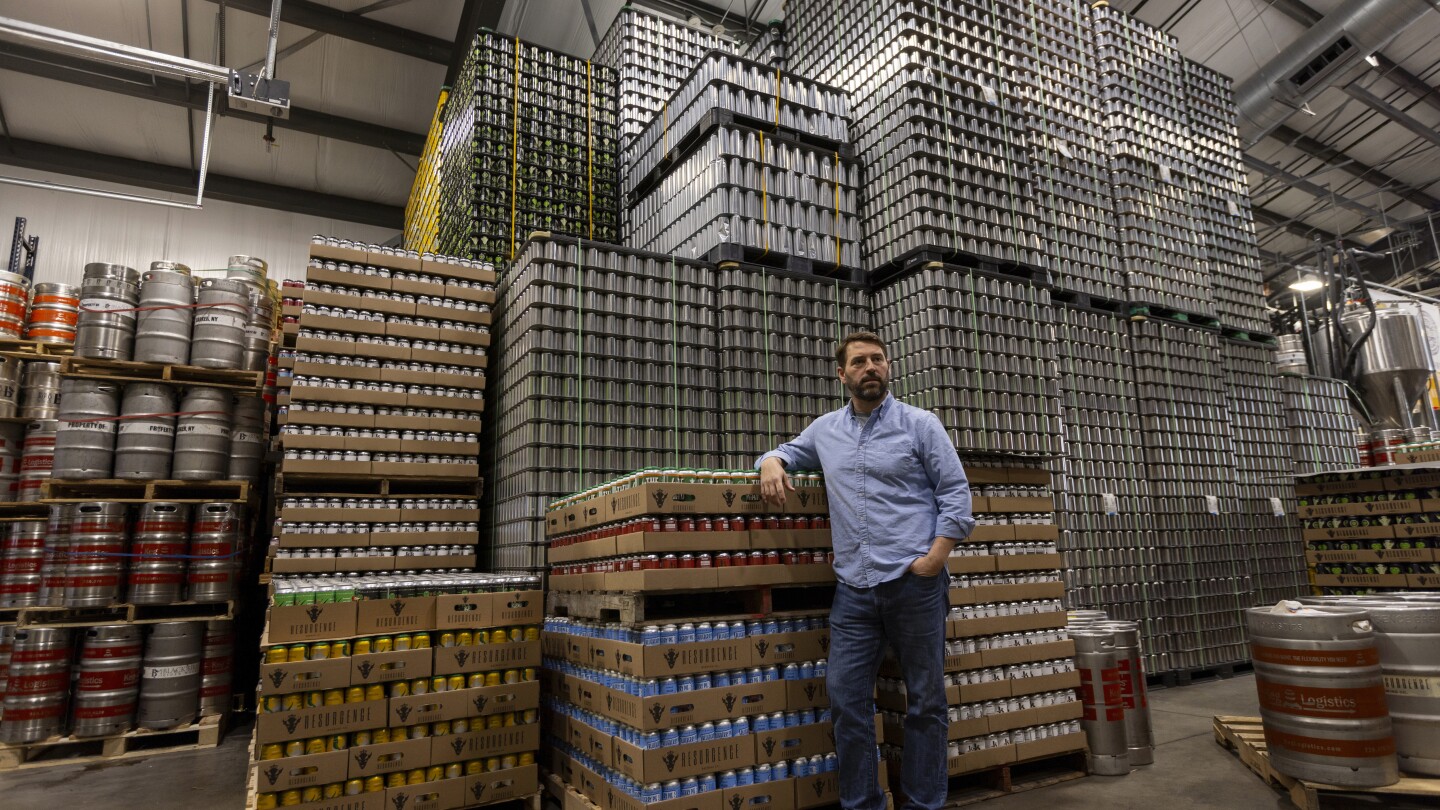
- Packaging: Aluminum is widely used for packaging food and beverages. Its ability to create airtight seals ensures freshness and extends shelf life, particularly in products like soda cans and food containers.
- Construction and Electronics: Aluminum is also used in construction and electronic devices, providing strength without the added weight.
The Economic Impact of Steel and Aluminum
The economic influence of steel and aluminum extends far beyond their immediate applications. According to the American Iron and Steel Institute, the steel industry alone supports over 1 million jobs in the United States and contributes approximately $520 billion to the economy annually. The aluminum sector also plays a vital role, with a significant impact on job creation and economic growth.
Both industries have adapted to meet the challenges of a modern economy, focusing on innovation and sustainability:
- Innovation: Advances in technology have led to the development of high-strength steel and aluminum alloys that enhance performance and reduce weight.
- Sustainability: Both sectors are investing in sustainable practices, including recycling programs that reduce waste and lower energy consumption. For instance, recycling aluminum saves about 90% of the energy required to produce new aluminum from raw materials.
Everyday Connections: From Products to Experiences
It’s fascinating to consider how steel and aluminum weave through the fabric of our daily lives. From the moment we wake up to the time we go to sleep, these materials are part of the experience:
- Mornings: The breakfast table may feature aluminum foil, which maintains the freshness of our food, or a stainless-steel coffee maker brewing our morning pick-me-up.
- Commuting: Whether it’s a steel-framed bus or an aluminum-bodied car, our daily commutes are facilitated by these robust materials.
- Leisure Activities: From the aluminum cans of our favorite beverages at a picnic to the steel frames of bicycles, our recreational activities are influenced by these metals.
Challenges Facing the Steel and Aluminum Industries
Despite their vital roles, the steel and aluminum industries face several challenges. Global competition, fluctuating prices, and trade policies can significantly impact their operations. Additionally, the push for greener practices means that these industries must constantly innovate to reduce their carbon footprint.
For example, the steel industry is exploring methods to produce steel using hydrogen instead of carbon, aiming to cut down greenhouse gas emissions significantly. Similarly, aluminum producers are investing in cleaner extraction processes to make aluminum production more sustainable.
The Future of Steel and Aluminum in Our Lives
Looking ahead, the future of steel and aluminum appears promising. As technology advances, we can expect to see even more innovative applications of these materials:
- Smart Materials: The development of smart steel and aluminum alloys that can respond to environmental changes could revolutionize construction and transportation.
- Recyclability: Enhanced recycling methods may lead to closed-loop systems that minimize waste and maximize resource efficiency.
- Green Technologies: Continued investment in sustainable manufacturing processes will make steel and aluminum production more environmentally friendly.
In conclusion, steel and aluminum are indeed the unsung heroes of industry. Their influence permeates every aspect of our daily lives, shaping our experiences and driving economic growth. As we navigate the complexities of the modern world, recognizing the importance of these materials will help us appreciate the hidden connections that link our daily experiences to the broader industrial landscape. Embracing their future will not only ensure continued innovation but also promote a sustainable approach to the challenges that lie ahead.
See more Business Focus Insider Team
