
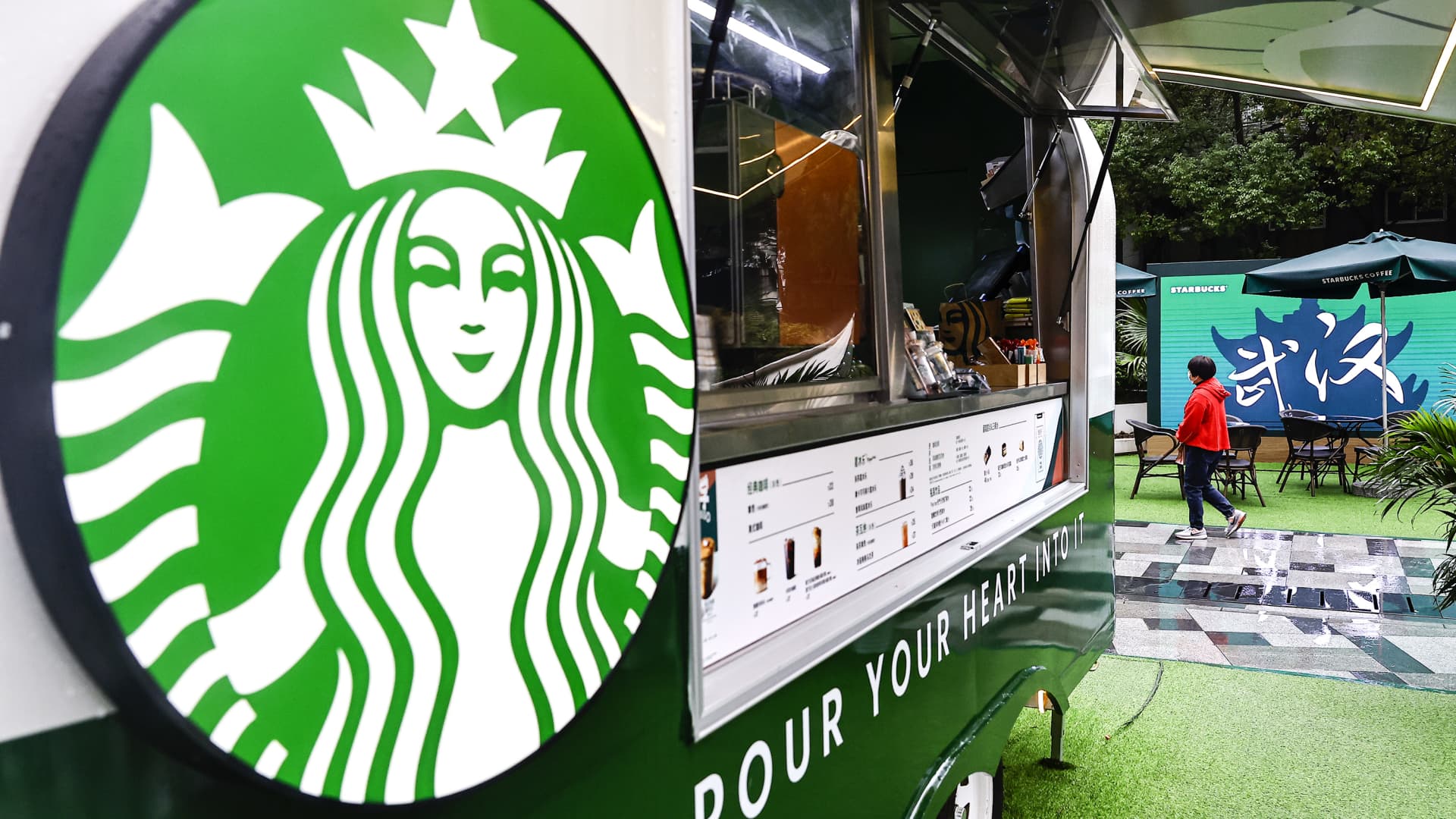
Unpacking Starbucks’ Sales Struggles in China: An Overview
Starbucks, the iconic coffeehouse chain, has long been a symbol of Western culture and consumerism. However, as the company grapples with declining sales growth in China, one of its most significant markets, it becomes essential to unpack Starbucks’ sales struggles in China. What lies beneath this concerning trend? This article delves into the multifaceted challenges faced by Starbucks, examining everything from shifting consumer preferences to fierce competition and the broader economic landscape.
Understanding the Landscape of Starbucks in China
Starbucks entered the Chinese market in 1999, and since then, it has experienced remarkable growth. The allure of a premium coffee experience resonated with urban consumers, and the company quickly became a status symbol among the country’s burgeoning middle class. However, the landscape has shifted dramatically in recent years. As consumer preferences evolve and competition intensifies, Starbucks finds itself at a crossroads.
Changing Consumer Preferences
One of the primary factors contributing to Starbucks’ sales struggles in China is the changing preferences of Chinese consumers. Historically, Starbucks has positioned itself as a premium brand, offering high-quality coffee and a luxurious atmosphere. However, younger consumers are increasingly drawn to unique, localized experiences rather than the traditional coffeehouse model. Here are some key shifts in consumer behavior:
- Health Consciousness: As health awareness rises among Chinese consumers, there’s a growing preference for healthier beverage options. Many are turning to tea, fruit juices, and other alternatives that align with their wellness goals.
- Value for Money: The economic landscape has prompted consumers to become more price-sensitive. Many are seeking value for their money, leading them to explore more affordable coffee options.
- Local Brands: A surge in local coffee brands offering unique blends and flavors has captured the attention of consumers. These brands often emphasize local sourcing and cultural relevance, which resonate well with younger demographics.
The Rise of Competition
Another factor contributing to Starbucks’ struggles in China is the fierce competition from both international and local coffee chains. New entrants into the market have disrupted Starbucks’ dominance, leading to a more crowded playing field. Some notable competitors include:
- Luckin Coffee: This rapidly growing coffee chain has gained significant market share through aggressive pricing strategies and a focus on technology-driven convenience, such as mobile ordering and delivery services.
- Local Cafés: Independent cafés and smaller chains have also emerged, offering unique atmospheres and specialized beverages that appeal to niche markets.
- Tea Shops: Given China’s rich tea culture, many consumers are gravitating towards tea shops, which provide an alternative to coffee and cater to traditional preferences.
Economic Factors at Play
The economic environment in China plays a crucial role in shaping consumer behavior and business performance. Several economic factors contribute to Starbucks’ challenges:
- Slowing Economic Growth: China’s economic growth has slowed in recent years, affecting consumer spending patterns. Middle-class consumers are becoming more cautious with their discretionary spending, impacting sales for premium brands like Starbucks.
- Inflation and Costs: Rising costs of raw materials and operational expenditures can squeeze profit margins, making it more difficult for Starbucks to maintain its pricing strategy without alienating cost-sensitive customers.
Adapting to Change: Starbucks’ Strategic Response
In light of these challenges, Starbucks has begun to adapt its strategies to better align with the evolving market landscape. Here are some key initiatives the company has undertaken:
- Menu Localization: Starbucks has introduced localized menu items that cater to regional tastes and preferences, including tea-based beverages and unique flavors that resonate with Chinese consumers.
- Expansion of Digital Services: The company is embracing technology by enhancing its mobile app and delivery services, making it easier for consumers to order from the comfort of their homes.
- New Store Formats: Starbucks is experimenting with new store designs and formats, including smaller and more community-oriented cafes that encourage social interaction.
The Importance of Brand Loyalty
Despite the challenges, Starbucks benefits from a strong brand loyalty that can be leveraged. The company has invested heavily in its rewards program, encouraging repeat business and fostering a sense of community among its customers. Here are a few strategies Starbucks is using to enhance brand loyalty:
- Personalized Marketing: By utilizing data analytics, Starbucks tailors its marketing efforts to individual preferences, creating a more personalized customer experience.
- Community Engagement: The brand is increasingly involved in local community initiatives, helping to strengthen its connection with consumers and enhance its social responsibility image.
Looking Ahead: A Path Forward
As Starbucks navigates its sales struggles in China, the company must continue to innovate and adapt. The path forward will require a deep understanding of consumer behavior and a willingness to embrace change. By focusing on localized experiences, competitive pricing, and leveraging technology, Starbucks can work to reclaim its position in the Chinese market.
In conclusion, unpacking Starbucks’ sales struggles in China reveals a complex interplay of changing consumer preferences, increased competition, and economic factors. While the challenges are significant, the potential for recovery exists. With strategic adaptations and a commitment to understanding its customer base, Starbucks has the opportunity to thrive once again in one of its most lucrative markets.
See more Business Focus Insider Team
