
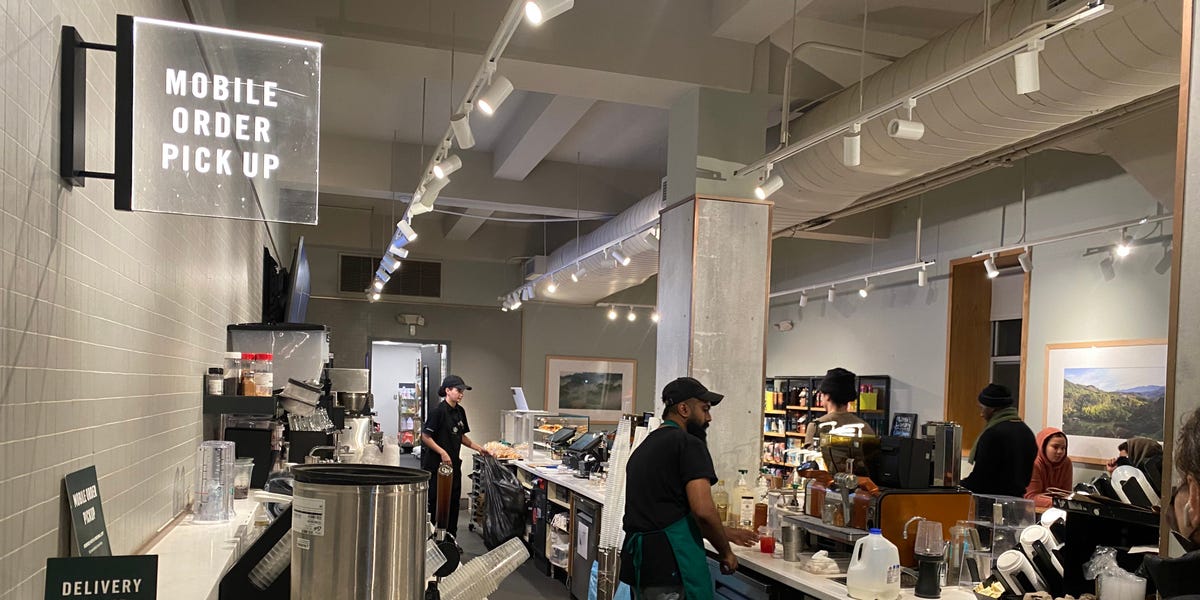
Starbucks’ CEO Reflects on the Impact of Mobile Ordering on Brand Identity
In the fast-paced world of retail, few brands have managed to maintain their unique essence while adapting to technological advancements like Starbucks. As the CEO candidly discusses the impact of mobile ordering on the company’s brand identity, a broader conversation emerges about technology’s role in shaping customer experiences. With convenience becoming a significant priority for consumers, the question arises: what does this mean for the soul of Starbucks?
The Rise of Mobile Ordering
Mobile ordering has transformed the landscape of retail and food service, providing customers with the ability to order their favorite drinks and snacks from the comfort of their homes or while on the go. Starbucks recognized early on the potential of this technology and integrated mobile ordering into its app, catering to a growing demand for convenience. The result? A significant shift in how consumers interact with the brand.
According to a report by Statista, mobile ordering in the food and beverage industry has seen exponential growth, particularly during and after the COVID-19 pandemic. Starbucks’ CEO noted that mobile orders now account for a substantial portion of transactions, allowing the brand to thrive in an evolving marketplace.
Convenience vs. Experience
As the conversation unfolds, a crucial point emerges: the balance between convenience and the rich experience that has long defined Starbucks. The brand has always marketed itself not just as a coffee shop, but as a third place—a cozy environment where individuals can gather and unwind. However, with mobile ordering, there’s a risk that the essence of this experience may become diluted.
- Personal Connections: One of the hallmarks of Starbucks is the personal connection customers have with baristas. Mobile ordering can potentially create a barrier, reducing face-to-face interactions that many patrons cherish.
- Atmosphere: The ambiance of a Starbucks store is designed to encourage customers to linger. With mobile ordering, customers are more likely to pick up their drinks and leave, which may impact the overall atmosphere of the store.
- Customization: While mobile apps allow for customization, the tactile experience of ordering in person—interacting with baristas and discussing preferences—can be lost in the mobile ordering process.
Starbucks’ Response to Changing Dynamics
Starbucks’ leadership is acutely aware of these challenges. The CEO emphasized that the company is actively working to enhance the mobile ordering experience while preserving the elements that make Starbucks special. For instance, the app now features personalized recommendations based on past purchases, creating a sense of continuity between in-store and mobile experiences.
Additionally, the company is exploring ways to maintain personal connections through technology. Initiatives like in-store events and barista-led workshops aim to bridge the gap created by mobile transactions, ensuring that customers still feel a part of the Starbucks community.
Technological Integration with Brand Values
Starbucks has always prided itself on its commitment to social responsibility and sustainability. The integration of mobile ordering has not only changed customer interactions but also how the brand communicates its core values. The CEO highlighted that technology can enhance sustainability efforts by minimizing waste through more accurate ordering systems and reducing the need for physical menus.
Moreover, the app allows customers to engage with Starbucks’ sustainability initiatives, such as tracking their rewards and understanding the impact of their purchases. This integration of technology and brand values fosters a deeper connection between customers and the brand, even in a digital context.
The Future of Starbucks and Mobile Ordering
As Starbucks looks ahead, the CEO remains optimistic about the role of mobile ordering in shaping the brand’s future. The evolution of customer expectations will likely continue to drive innovation within the company. Mobile ordering is not just a trend; it represents a fundamental shift in how consumers engage with brands, and Starbucks intends to lead this evolution.
In the coming years, we can expect to see further enhancements in mobile technology, from AI-driven customer service to more immersive experiences that blend digital and physical interactions. The CEO hinted at exciting developments on the horizon, including potential partnerships with other technology firms to create an even more seamless experience for customers.
Conclusion: Finding Balance
As the dialogue around mobile ordering and brand identity unfolds, it’s clear that the future of Starbucks will depend on finding a balance between convenience and the rich, community-focused experience that has defined the brand for decades. While technology continues to shape the retail landscape, the essence of Starbucks—its commitment to quality, personal connections, and social responsibility—remains a guiding principle.
Ultimately, the challenge lies in leveraging technology to enhance the customer experience without losing the soulful connection that Starbucks has cultivated over the years. As the CEO reflects on these changes, it is evident that Starbucks is not just adapting to the digital age; it is striving to redefine what it means to be a modern coffeehouse in an ever-evolving world.
In this new era of mobile ordering, the hope is that Starbucks can continue to be a place where customers feel a sense of belonging, even if they choose to order from their phones. As we navigate these changes, one thing is certain: the soul of Starbucks will remain a focal point, guiding its journey into the future.
See more Business Focus Insider Team
