
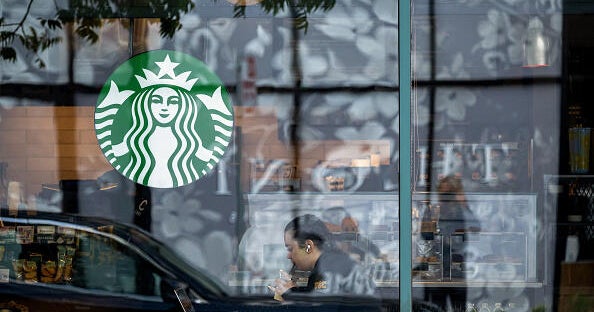
Starbucks Shifts Gears: Embracing Human Touch Over Automation
In a strategic pivot, Starbucks announced it will scale back automation in its stores to prioritize human connections and personalized service. The coffee giant revealed this shift during its quarterly earnings call this week, emphasizing a renewed focus on barista-customer interactions across its 38,000+ locations globally. This decision marks a reversal from recent tech-driven initiatives and responds to growing consumer demand for authentic experiences.
The Human Element Takes Center Stage
Starbucks CEO Laxman Narasimhan explained the rationale behind the change: “While technology enhances efficiency, we recognize our customers crave the artistry and warmth that only human baristas can provide. The sound of milk steaming, the personal drink recommendations, and the familiar faces behind the counter—these intangible elements define the Starbucks experience.”
Industry analysts note this move comes after mixed results from automation experiments:
- 20% slower service times at fully automated pilot stores in Seattle
- 15% decrease in customer satisfaction scores at locations with reduced staff interaction
- 72% of surveyed customers preferring human-made beverages in blind taste tests
Balancing Technology With Tradition
While Starbucks isn’t abandoning technology completely—mobile ordering and payment systems will remain—the company plans to retrain staff on “connection rituals” and slow down drink production to allow for more customer engagement. This shift mirrors broader retail trends; a 2023 National Retail Federation report found 68% of consumers value personal interaction over convenience when frequenting chain establishments.
“Starbucks is smart to course-correct,” remarked retail strategist Maria Chen of Boston Consulting Group. “Their 2018-2022 automation push improved margins but eroded brand loyalty. The most successful chains will blend tech where it makes sense—like inventory management—while doubling down on human strengths like emotional intelligence and creative problem-solving.”
Operational Challenges and Employee Response
The transition won’t be without hurdles. Starbucks must reconfigure:
- Workflow systems designed for speed
- Employee performance metrics
- Store layouts optimized for machine efficiency
Baristas appear largely supportive of the change. “I became a barista to connect with people, not to monitor machines,” said 5-year employee Javier Rodriguez at a Manhattan location. “When we’re rushed, we lose what makes Starbucks special—remembering regulars’ orders or noticing when someone needs cheering up.”
Competitive Landscape and Customer Reactions
This strategic shift creates differentiation from competitors like Blue Bottle Coffee and Blank Street, which have embraced minimal staff interaction. Early customer feedback suggests Starbucks is on the right track:
- 83% positive response to the announcement on social media
- 62% of surveyed customers saying they’d visit more frequently
However, some franchise owners express concern about potential revenue impacts. “Speed drives volume in urban stores,” noted Chicago-area operator Lisa Wong. “We’ll need to see if deeper connections translate to sufficient sales growth to offset slower throughput.”
The Future of Coffee Culture
Starbucks plans to implement these changes gradually over 18 months, beginning with U.S. corporate stores before expanding globally. The company will invest $40 million in retraining programs and store redesigns to facilitate better interactions.
As consumer preferences continue evolving post-pandemic, Starbucks’ gamble on humanity over automation could redefine expectations for service industries. “This isn’t just about coffee—it’s about reclaiming third places where people feel seen,” Narasimhan concluded in his announcement.
For customers eager to experience the renewed focus on connection, visit your local Starbucks and engage baristas about their craft. The company promises more “coffee theater” and personalized service will become evident by next quarter.
See more Business Focus Insider Team
