
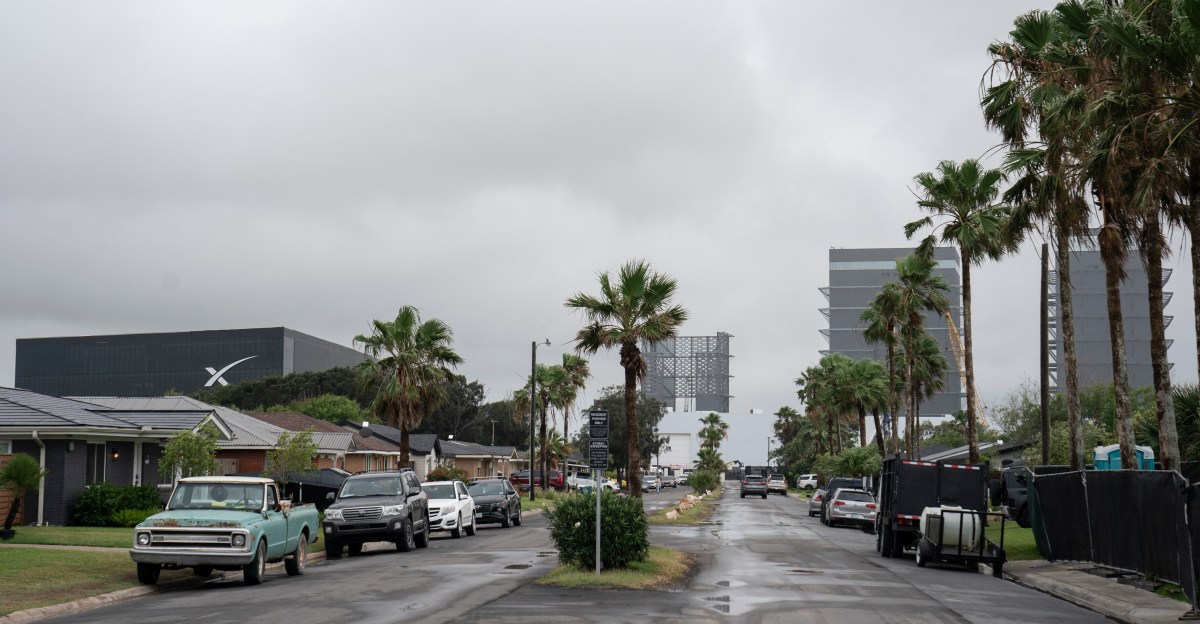
SpaceX’s Bold Move: The Rise of a Company Town in Texas
SpaceX is pioneering a futuristic vision by developing a company town near its Boca Chica launch facility in Texas, aiming to house employees in a tightly knit community. The project, set to break ground in 2024, seeks to merge work and life seamlessly while fueling innovation. Critics, however, question the implications of corporate-controlled towns on local autonomy and worker rights.
A Modern-Day Company Town: What SpaceX Plans to Build
Elon Musk’s aerospace giant is transforming 68 acres of Texas land into “Starbase,” a planned community featuring housing, schools, and amenities exclusively for SpaceX employees. The town’s design prioritizes proximity to the rocket launch site, reducing commute times and fostering collaboration. Documents filed with Texas regulators reveal plans for:
- Modular, energy-efficient homes
- A dedicated school with STEM-focused curricula
- Retail spaces and recreational facilities
This isn’t SpaceX’s first foray into territorial expansion. Since 2014, the company has invested over $3 billion in Boca Chica, turning the once-sleepy border region into a hub for space exploration. But building a full-fledged town marks a new frontier.
The Historical Context of Company Towns
Company towns were once staples of industrial America, with firms like Pullman and Ford constructing communities to house workers. While these towns provided stability, they often led to exploitation, with companies controlling housing, wages, and even local laws. Dr. Emily Carter, a labor historian at Columbia University, cautions:
“The 19th-century model was rife with power imbalances. Modern iterations must prioritize employee agency—otherwise, they risk repeating history.”
SpaceX insists its approach will differ, emphasizing voluntary participation and competitive benefits. Yet, skeptics note that the lack of independent local governance could blur the line between employer and landlord.
Economic Impact and Local Reactions
Cameron County, where Starbase is located, has seen a 22% surge in job growth since SpaceX’s arrival. However, housing costs have spiked by 40%, displacing long-time residents. Maria Gonzalez, a small-business owner in Brownsville, reflects the mixed sentiment:
“SpaceX brought opportunities, but it’s also pricing out families. A company town could deepen this divide.”
Proponents argue the project will attract talent and infrastructure. Texas Governor Greg Abbott has lauded it as a “model for public-private partnership,” offering tax incentives to support development.
Ethical and Legal Considerations
The venture raises questions about worker autonomy. Unlike traditional towns, Starbase residents may sign agreements tying employment to housing—a potential conflict, according to labor attorney David Ruiz:
“If SpaceX controls both paychecks and rent, employees lose leverage. Safeguards must ensure fair treatment.”
SpaceX has not disclosed specifics but asserts compliance with all labor laws. Meanwhile, the Federal Trade Commission monitors such projects for antitrust concerns.
The Future of Corporate Communities
If successful, Starbase could inspire tech giants like Amazon or Google to follow suit. Urban planner Lisa Wong predicts:
“We’re entering an era where companies curate entire ecosystems. The challenge is balancing innovation with equity.”
SpaceX’s timeline aims for a 2026 completion, coinciding with its Mars mission preparations. As the boundaries between work and community blur, the world watches whether this experiment will soar—or crash.
What Comes Next?
Key milestones for Starbase include zoning approvals and infrastructure contracts. For now, the project symbolizes a bold bet on corporate-driven urbanization. Those interested in the intersection of labor and space exploration can track updates via SpaceX’s official announcements.
Call to Action: How do you view the rise of company towns? Share your perspective on social media using #FutureOfWork.
See more Business Focus Insider Team
