
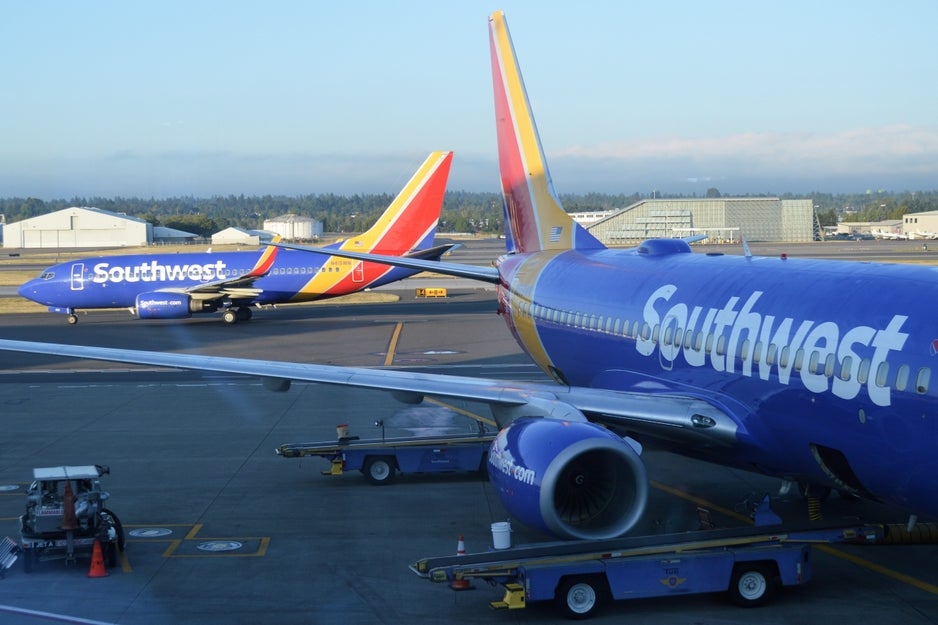
Southwest Airlines’ Bold Move: Cutting 1,750 Jobs to Boost Profitability
In a significant restructuring effort, Southwest Airlines has announced a 15% workforce reduction, eliminating 1,750 corporate positions. This decision aims to enhance efficiency and drive profitability amidst challenging market conditions. As the airline industry continues to grapple with fluctuating demand, rising operational costs, and the lingering impacts of the pandemic, such drastic measures reflect the need for companies to adapt swiftly to the changing landscape.
Understanding the Rationale Behind Job Cuts
Southwest Airlines’ decision to cut jobs is not one that is taken lightly. The airline industry is known for its volatility, and the challenges posed by economic fluctuations, rising fuel prices, and increased competition are forcing airlines to rethink their strategies. Here are some key reasons behind Southwest’s bold move:
- Adapting to Market Conditions: The airline sector has seen a seismic shift in recent years, with travel patterns changing dramatically. Southwest has had to adapt to these new realities, optimizing its workforce to better align with current demand.
- Operational Efficiency: By reducing its workforce, Southwest aims to streamline operations. Fewer employees can lead to lower overhead costs, allowing the airline to redirect resources toward more profitable ventures.
- Profitability Goals: With a clear objective to enhance profitability, Southwest is focusing on strategies that will improve its financial health. This workforce reduction is part of a broader plan to increase efficiency and reduce costs.
The Impact on Employees and Corporate Culture
Job cuts can have profound effects on both the employees who are laid off and the remaining workforce. For Southwest Airlines, a company known for its strong corporate culture and employee satisfaction, this move raises concerns about morale and loyalty among remaining staff.
Employees facing layoffs often experience a range of emotions, including anxiety, frustration, and uncertainty about their futures. For those who remain, there may be feelings of survivor’s guilt, leading to decreased morale and productivity. Southwest will need to navigate these emotional waters carefully to maintain a cohesive and motivated workforce.
Long-Term Strategy: Is It Sustainable?
While the immediate goal of cutting jobs is to boost profitability, the long-term sustainability of such a strategy is debatable. Airlines must consider not just the financial implications but also the potential impact on customer service and operational effectiveness.
- Customer Service: Southwest Airlines has built its reputation on excellent customer service. A smaller workforce may lead to increased pressure on remaining employees, which could impact service quality.
- Future Hiring: As the market begins to normalize, Southwest may find itself in a position where it needs to hire again. A reduced workforce might make it challenging to scale operations back up quickly.
- Innovation and Growth: Investing in technology and innovation is essential for the long-term success of any airline. Reducing staff may limit the company’s ability to pursue new initiatives that could drive growth.
Lessons from the Airline Industry
The decision by Southwest Airlines to cut jobs is not unique; it reflects a broader trend within the airline industry. Several airlines have made similar moves in response to economic pressures. Observing these trends can provide valuable insights:
- Flexibility is Key: Airlines that can adapt quickly to changing market conditions are more likely to survive in the long run. This flexibility often requires tough decisions, such as workforce reductions.
- Invest in Technology: Many airlines are investing in automation and technology to reduce reliance on human labor. This shift can lead to cost savings and improved operational efficiency.
- Focus on Core Competencies: Airlines need to identify their core strengths and focus on what they do best. For Southwest, this might mean prioritizing customer service and operational efficiency over expansion into new markets.
Future Outlook for Southwest Airlines
As Southwest Airlines embarks on this new chapter, stakeholders will be watching closely to see how the company navigates the challenges ahead. The airline’s commitment to maintaining a strong corporate culture, coupled with its focus on efficiency and profitability, will be critical in shaping its future.
Investors and analysts alike will be keeping an eye on key performance indicators, such as:
- Revenue growth rates
- Customer satisfaction scores
- Operational efficiency metrics
Ultimately, the success of Southwest Airlines’ bold move to cut 1,750 jobs will depend on how effectively the company can balance cost savings with maintaining its reputation as a customer-focused airline. Adapting to economic pressures while ensuring a high-quality travel experience for customers will be the litmus test for the airline moving forward.
In conclusion, the decision by Southwest Airlines to reduce its workforce is a bold move driven by the need for increased efficiency and profitability in a challenging market. While such actions can lead to short-term gains, the long-term implications must be carefully managed to ensure the company’s future success. By focusing on innovation, maintaining a strong corporate culture, and prioritizing customer service, Southwest Airlines can emerge from this restructuring effort stronger and more competitive in the evolving airline industry.
As the landscape of air travel continues to change, companies like Southwest must remain agile, ready to adapt to new challenges while keeping their core values intact. The future may hold uncertainties, but with strategic planning and a focus on operational excellence, Southwest Airlines can navigate through these turbulent times.
See more Business Focus Insider Team
