
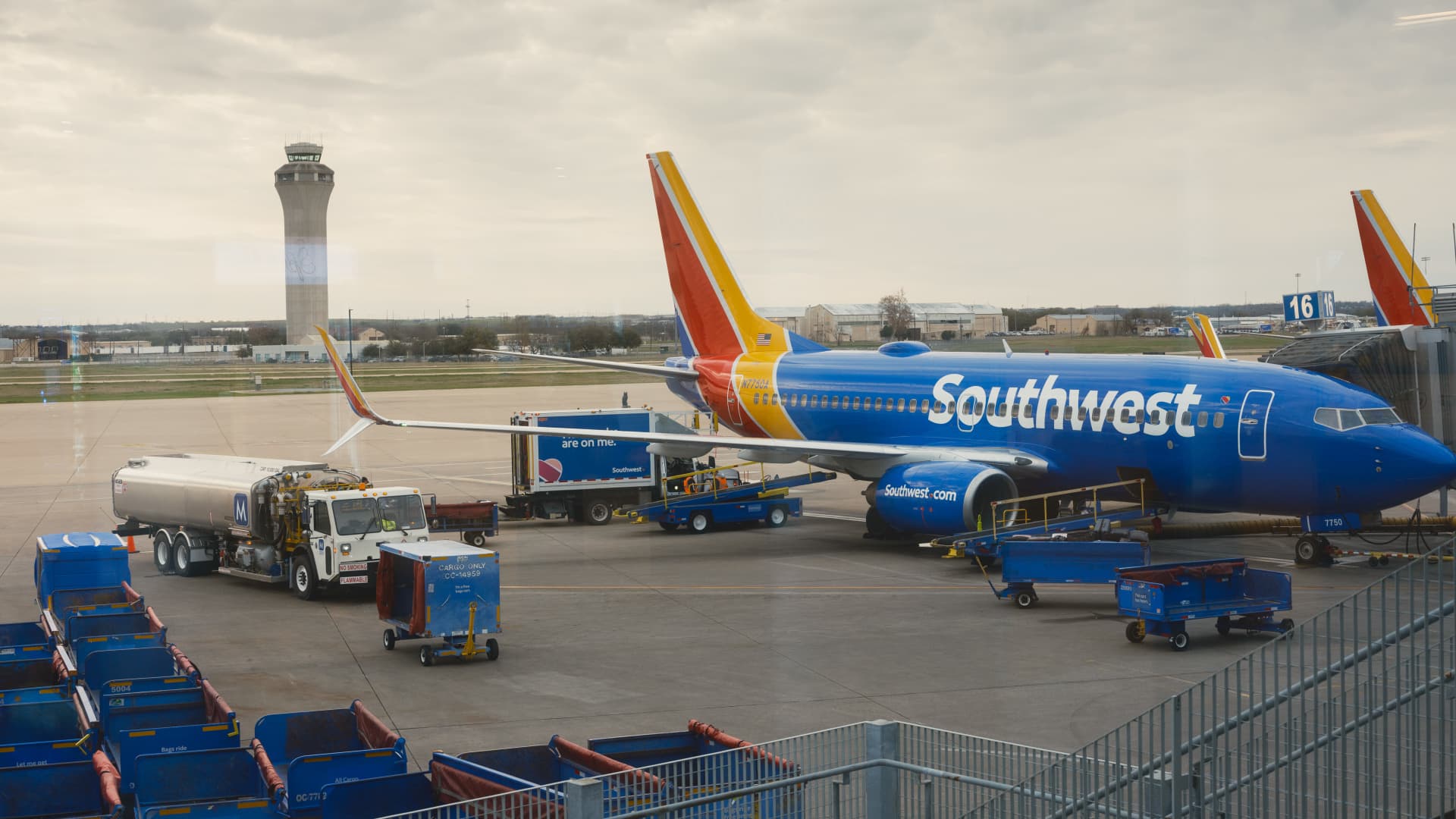
Southwest Airlines Takes Bold Step: Closing Two Crew Bases Amid Cost-Cutting Strategy
In a strategic move that signals a significant shift in operations, Southwest Airlines has announced the closure of two crew bases as part of a broader cost-cutting strategy. This decision, while aimed at enhancing operational efficiency, raises critical questions about the airline’s future and its commitment to maintaining service quality amidst ongoing financial challenges. The closures are set to impact not only the employees who work at these bases but also the overall dynamics of the airline’s service network.
Understanding the Closure of Crew Bases
The decision to close crew bases at specific locations comes after careful consideration of various factors, including operational costs, staffing levels, and overall market conditions. The two bases affected by this decision have not been disclosed publicly, but the implications are expected to reverberate throughout the organization.
The primary goal of closing these bases is to streamline operations, which could potentially lead to significant savings. Southwest Airlines, like many carriers, has faced mounting financial pressures due to fluctuating fuel prices, increased competition, and the lingering effects of the COVID-19 pandemic. By reducing operational overhead, the airline aims to position itself more favorably in a competitive marketplace.
Financial Implications of the Closures
The financial landscape for airlines has changed dramatically in recent years. With rising costs and a focus on profitability, every decision made by airlines is scrutinized for its impact on the bottom line. For Southwest Airlines, the closure of crew bases is part of a necessary adjustment strategy aimed at ensuring long-term sustainability.
- Operational Cost Reduction: Closing crew bases allows Southwest to reduce costs associated with employee salaries, benefits, and facility maintenance.
- Increased Efficiency: By consolidating operations, the airline can optimize crew schedules and reduce downtime, leading to improved efficiency.
- Adaptation to Market Changes: As travel patterns evolve, so too must the airlines. This closure is a reflection of changing demand and the need for adaptability.
Impact on Employees and Service Quality
While the financial rationale behind the closure is clear, the impact on employees cannot be overlooked. Crew bases are not just operational hubs; they are communities where employees build connections and foster teamwork. The closure of these bases will likely lead to job relocations, layoffs, or reassignments, creating uncertainty for many workers.
Moreover, the potential for reduced service quality is a valid concern. Southwest Airlines has long prided itself on its customer service and employee satisfaction. As the airline adjusts its operational model, there is a risk that the changes may affect how they serve their passengers. The challenge will be to maintain the high standards that travelers have come to expect while navigating these operational changes.
Strategies for Mitigating Negative Impacts
In light of the closures, Southwest Airlines will need to implement strategies that mitigate negative impacts on both employees and customers. Key strategies could include:
- Employee Support Programs: Offering relocation assistance or retraining programs can help affected employees transition more smoothly into new roles.
- Transparent Communication: Keeping employees informed about changes and the rationale behind them can help alleviate anxiety and build trust.
- Focus on Customer Experience: Investing in technology and training to ensure that customer service remains a priority will be crucial during this transition.
The Broader Context: Industry Trends and Challenges
The closure of crew bases at Southwest Airlines is not an isolated incident; it reflects broader trends within the airline industry. Many carriers are reevaluating their operational strategies in response to changing consumer behaviors and economic pressures. The rise of remote work, changes in travel preferences, and economic uncertainty have all contributed to a shifting landscape for airlines.
Adapting to New Market Realities
As the airline industry continues to evolve, companies like Southwest must adapt to new market realities. Here are a few key trends influencing the industry:
- Increased Focus on Cost Efficiency: Airlines are prioritizing cost-saving measures to enhance profitability and sustainability.
- Technology Integration: The use of technology to streamline operations and improve customer experience is becoming essential.
- Shift in Consumer Preferences: Travelers are increasingly seeking flexibility and value, prompting airlines to reassess their service offerings.
Looking Ahead: The Future of Southwest Airlines
As Southwest Airlines embarks on this new chapter marked by the closure of crew bases, the future will depend on its ability to navigate these changes while maintaining its core values. The airline’s reputation for customer service and employee satisfaction has been earned over decades, and it will be crucial to uphold these standards even in the face of operational adjustments.
Investing in employee morale, enhancing customer service protocols, and leveraging technology will be key factors for success. With the right strategies in place, Southwest Airlines can emerge stronger from this transitional period, ready to meet the challenges of the evolving aviation landscape.
Conclusion
In conclusion, the bold decision by Southwest Airlines to close two crew bases as part of a cost-cutting strategy is a significant move that reflects the airline’s commitment to operational efficiency. While this decision presents challenges, it also offers an opportunity for the airline to reassess its operations and strengthen its position in the market. By focusing on employee support and customer experience, Southwest can navigate this transition and continue to thrive in the competitive airline industry.
See more Business Focus Insider Team
