
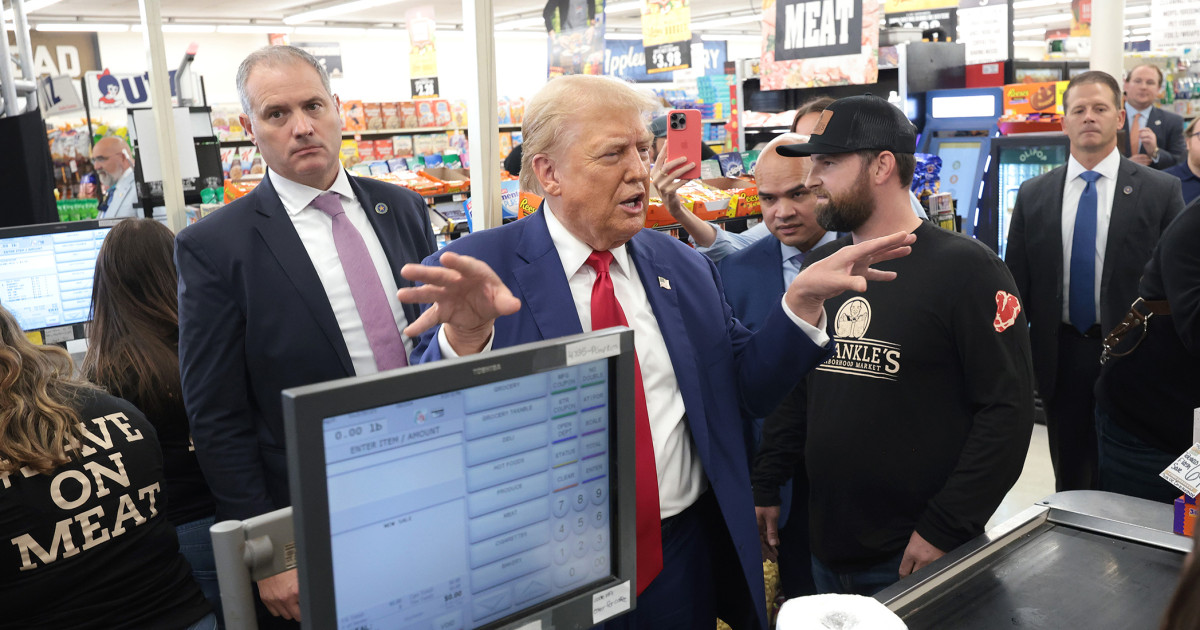
As the political landscape shifts with the reemergence of Donald Trump, small businesses across the nation are facing a new set of challenges. The policies and economic strategies reminiscent of the Trump administration are reinvigorating both optimism and concern among entrepreneurs. This article delves into how small businesses are adapting to these changes and what strategies they are implementing to survive in this evolving landscape.
Understanding the Current Economic Climate
The economy under Trump 2.0 is characterized by a mix of familiar policies and new initiatives designed to stimulate growth and reduce barriers for businesses. However, small business owners are often caught in the crossfire of fluctuating regulations, trade tariffs, and changing consumer behavior. Here are some key aspects of the current economic climate:
- Tax Reforms: The promises of tax cuts aimed at stimulating small business growth have been a major talking point, but the reality of how these reforms affect day-to-day operations remains uncertain.
- Trade Policies: Tariffs and trade agreements can significantly impact small businesses, particularly those involved in importing or exporting goods.
- Labor Market Changes: Discussions about minimum wage increases and changes in labor laws can create unpredictability for hiring and operational costs.
Challenges Small Businesses Face
Small business owners are navigating a plethora of challenges as they adapt to the second wave of Trump-era policies. Some of the most pressing issues include:
- Access to Capital: With potential changes in banking regulations and loan availability, obtaining funding can be a significant hurdle for many entrepreneurs.
- Supply Chain Disruptions: Ongoing global issues continue to affect supply chains, making it difficult for small businesses to maintain inventory and meet customer demand.
- Consumer Confidence: The political climate can influence consumer spending patterns, making it crucial for businesses to stay attuned to shifts in public sentiment.
Strategies for Survival and Growth
In the face of these challenges, many small businesses are employing innovative strategies to not just survive, but thrive. Here are some effective approaches:
Diversifying Offerings
Small businesses are increasingly diversifying their product or service offerings to mitigate risks associated with economic uncertainty. For instance:
- Adding New Products: Businesses are exploring complementary products that align with their brand to attract a broader customer base.
- Service Expansion: Companies are also considering service-based offerings to enhance customer loyalty and reduce reliance on product sales.
Leveraging Technology
Technology continues to play a vital role in helping small businesses adapt to the modern landscape. Here’s how:
- E-commerce Platforms: Many businesses have shifted to online sales, allowing them to reach a wider audience and remain operational during lockdowns.
- Automation Tools: Utilizing software for inventory management, customer relationship management (CRM), and payroll can streamline operations and reduce costs.
Building Strong Community Ties
As local economies face uncertainty, fostering community relationships has become crucial. Small businesses are engaging in their communities by:
- Supporting Local Events: Participating in or sponsoring community events can enhance visibility and foster goodwill.
- Collaborating with Other Local Businesses: Partnerships can create synergistic benefits, allowing businesses to share resources and customer bases.
Preparing for Regulatory Changes
Small businesses must stay informed about potential regulatory changes that could impact their operations. Here are some proactive steps to consider:
- Regularly Reviewing Policies: Keeping abreast of local, state, and federal regulations allows business owners to adapt quickly.
- Engaging with Advocacy Groups: Joining local chambers of commerce or industry associations can provide resources and support in navigating policy changes.
Conclusion: Embracing the Future
Navigating uncertainty in the era of Trump 2.0 presents a unique set of challenges for small businesses across the nation. However, through adaptability, innovation, and strategic planning, entrepreneurs can find ways to not only survive but also thrive in this dynamic environment. As the landscape continues to evolve, small businesses that remain flexible and engaged with their communities will be well-positioned to succeed. The resilience and resourcefulness of these entrepreneurs are testaments to the enduring spirit of American small businesses, reminding us that even in uncertain times, opportunity still exists.
In summary, while the challenges are significant, the potential for growth and adaptation is equally compelling. Small businesses are not just facing the future; they are actively shaping it.
See more Business Focus Insider Team
