
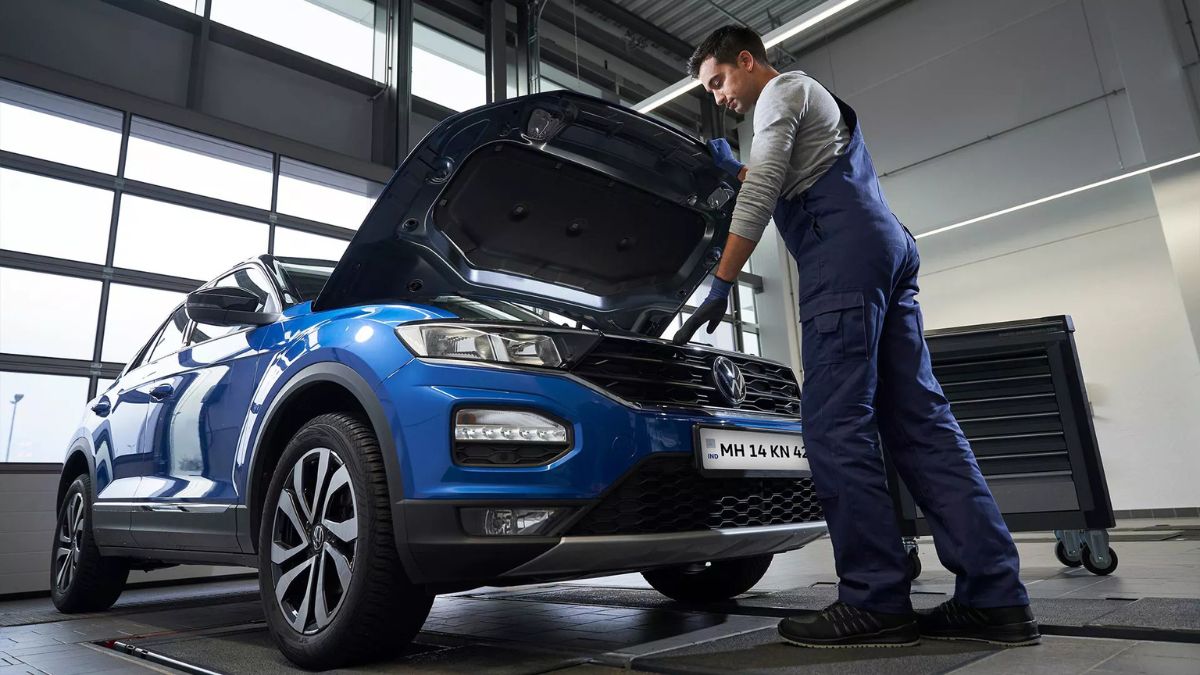
The Allure of a Secret Chinese Weapon: Volkswagen’s Unexpected Attraction
In a surprising twist, Volkswagen AG has found itself captivated by a clandestine Chinese innovation, potentially reshaping the global automotive landscape. The German automaker, long a titan of traditional manufacturing, is reportedly in advanced talks to license cutting-edge electric vehicle (EV) technology from a lesser-known Chinese firm. This development, emerging in mid-2024, signals a dramatic power shift as Western automakers increasingly look East for competitive advantages in the EV race.
The Breakthrough Technology Turning Heads
At the heart of Volkswagen’s interest lies a revolutionary battery management system (BMS) that reportedly increases EV range by 22% while reducing charging times to under 10 minutes. Industry insiders suggest the Chinese-developed technology also slashes production costs by 30% compared to current Western alternatives. “This isn’t just incremental improvement—it’s a potential game-changer,” remarks Dr. Lena Müller, an automotive analyst at Berlin Tech University.
Key advantages of the system include:
- Patented thermal regulation preventing performance degradation in extreme temperatures
- AI-driven adaptive charging that extends battery lifespan by up to 40%
- Modular design compatible with existing manufacturing infrastructure
Why Volkswagen Is Betting Big on Chinese Innovation
Volkswagen’s pivot comes amid struggling EV sales in Europe, where adoption rates lag behind China’s 35% EV market penetration. The automaker’s ID series sold just 140,000 units in Q1 2024—far below projections. Meanwhile, Chinese EV exports surged 78% year-over-year, with BYD surpassing Tesla as the world’s top-selling EV brand.
“The automotive world order is being rewritten,” says James Carter, a Toronto-based mobility consultant. “Where once Western firms exported technology to China, we’re now seeing the reverse flow at an unprecedented scale.” Volkswagen’s potential deal follows similar moves by Stellantis (investing $1.6 billion in Leapmotor) and Ford (licensing CATL’s LFP battery tech).
Geopolitical Tensions and Industry Reactions
The development hasn’t been without controversy. EU officials recently imposed 38% tariffs on Chinese EVs, citing unfair subsidies. German Economy Minister Robert Habeck warned of “critical dependencies” during a June 2024 press conference. However, Volkswagen CEO Oliver Blume countered: “Our responsibility is to customers, not politics. If we ignore superior technology, we betray our shareholders.”
Divergent perspectives highlight the dilemma:
- Proponents argue collaboration accelerates global decarbonization
- Critics fear erosion of European industrial sovereignty
- Neutral observers suggest joint ventures may become the norm
The Ripple Effects Across Global Supply Chains
Automotive suppliers are already adjusting strategies. Bosch announced a $950 million investment in Chinese R&D facilities, while Continental fast-tracked partnerships with three Asian battery startups. The changes extend beyond hardware—China now leads in EV-related patent filings, accounting for 52% of global applications in 2023 per WIPO data.
This technological transfer raises existential questions for traditional automakers. As BYD’s European chief Michael Shu noted: “The 20th century was about mechanical engineering. The 21st belongs to digital ecosystems.”
What This Means for the Future of Car Manufacturing
The Volkswagen case study suggests several emerging trends:
- Technology sourcing will become increasingly multinational
- Traditional automaker-supplier relationships are being disrupted
- Software and battery tech now outweigh mechanical engineering in valuation
Looking ahead, analysts predict Chinese firms could capture 30% of the European EV market by 2030, up from 8% today. For legacy automakers, the choice appears stark: adapt through collaboration or risk obsolescence. As the industry stands at this crossroads, one truth becomes clear—the keys to automotive future may no longer reside solely in Detroit, Stuttgart, or Tokyo.
For executives navigating these changes, consulting firms like McKinsey and Boston Consulting Group are hosting webinars on Sino-European automotive partnerships throughout Q3 2024.
See more Business Focus Insider Team
