
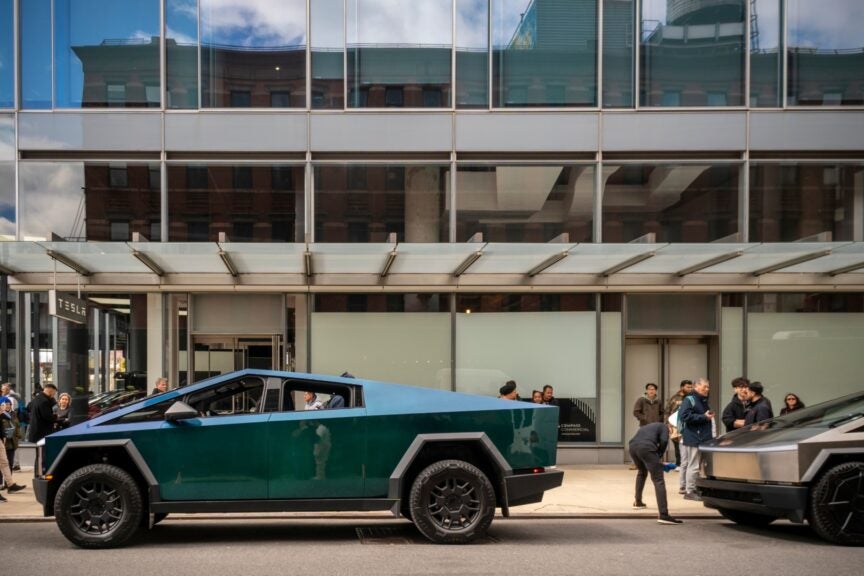
Ross Gerber’s Bold Move: Why He’s Parting Ways with His Cybertruck
In a surprising turn of events, Ross Gerber, a well-known investor and the CEO of Gerber Kawasaki Wealth and Investment Management, has announced his decision to sell his much-anticipated Tesla Cybertruck. This decision comes amid a growing backlash and protests surrounding Tesla showrooms, raising questions about the company’s public perception and its future in the automotive industry. Gerber’s bold move not only reflects his personal sentiments but also highlights broader concerns regarding Tesla’s image and the implications for electric vehicle (EV) enthusiasts.
The Context of Ross Gerber’s Decision
Ross Gerber is no stranger to the spotlight. As a vocal advocate for Tesla and its visionary CEO, Elon Musk, Gerber has often defended the company in public forums. His investment firm has been a significant supporter of Tesla, and he has consistently expressed optimism about the company’s future. However, the recent protests against Tesla, particularly regarding labor practices and environmental concerns, have prompted Gerber to reassess his position.
The protests have centered around various issues, including labor practices at Tesla’s factories, allegations of poor working conditions, and the environmental impact of lithium mining, which is critical for EV batteries. These concerns have raised significant questions not only about Tesla’s operational ethics but also about its long-term sustainability in a rapidly evolving market.
Understanding the Backlash Against Tesla
The backlash against Tesla is multifaceted, affecting both the company’s reputation and its sales. Key factors contributing to this growing dissent include:
- Labor Practices: Reports have surfaced alleging that Tesla has not adequately addressed worker safety and rights. This has led to protests from labor unions and activists.
- Environmental Concerns: As the world moves towards sustainable energy, the extraction of raw materials for batteries, particularly lithium, has raised alarms. Environmentalists argue that the mining process can be detrimental to ecosystems.
- Product Quality Issues: Some customers have reported quality control problems with their Tesla vehicles, which has led to dissatisfaction and calls for accountability.
These issues have compounded, leading to a significant shift in public sentiment towards Tesla. Gerber’s decision to part ways with his Cybertruck can be seen as a reflection of this changing landscape.
Why Selling the Cybertruck Matters
Gerber’s decision to sell his Cybertruck is emblematic of a larger trend among investors and consumers alike. Here are several key implications of this move:
- Investor Sentiment: As an influential figure in the investment community, Gerber’s actions may signal a shift in how investors view Tesla amidst ongoing controversies. This could lead to a broader reevaluation of Tesla’s stock.
- Consumer Trust: Gerber’s departure from his Cybertruck underscores the importance of consumer trust in maintaining brand loyalty. If prominent figures like Gerber lose faith, it could impact Tesla’s customer base.
- Corporate Responsibility: Gerber’s move may also push Tesla to address the concerns raised by activists and consumers more transparently. Companies are increasingly held accountable for their practices, and public figures can influence change.
Tesla’s Future: Challenges and Opportunities
As Tesla navigates this tumultuous period, several challenges and opportunities lie ahead:
Challenges
- Rebuilding Reputation: Tesla must work diligently to rebuild its reputation, addressing labor and environmental concerns proactively.
- Competition: The electric vehicle market is becoming increasingly competitive, with traditional automakers and new startups entering the fray. Tesla must innovate to maintain its edge.
- Stock Volatility: As investor sentiment shifts, Tesla’s stock may experience increased volatility. This could deter some investors and affect capital raising efforts.
Opportunities
- Innovation in Sustainability: If Tesla can lead the charge in sustainable practices, it may improve its image and market position. Investing in responsible sourcing and labor practices could set a new industry standard.
- Expanding Market Reach: With increasing global demand for electric vehicles, Tesla has the opportunity to expand its market reach, particularly in emerging economies where EV adoption is on the rise.
- Community Engagement: By engaging with consumers and communities more openly, Tesla could rebuild trust and loyalty, turning critics into advocates.
The Bigger Picture: A Shift in Consumer Expectations
Gerber’s decision to sell his Cybertruck reflects a broader shift in consumer expectations. Today’s consumers are more informed and conscious of the ethical implications of their purchases. They are looking for companies that prioritize sustainability, labor rights, and transparency.
As electric vehicles become more mainstream, companies like Tesla must adapt to these expectations. The success of EVs in the future will not only depend on technology and innovation but also on how well companies align their practices with consumer values.
Conclusion: A New Chapter for Tesla and Its Stakeholders
Ross Gerber’s bold move to part ways with his Cybertruck amid Tesla’s protests highlights the complexities surrounding the electric vehicle industry. It serves as a wake-up call for Tesla and others in the market to address the growing concerns of labor practices and environmental impact seriously.
As Tesla navigates its future, it must focus on rebuilding trust, addressing ethical concerns, and ensuring that it remains at the forefront of innovation. The decisions made today will shape the company’s legacy and its position in the evolving landscape of electric vehicles.
For investors, consumers, and advocates alike, Gerber’s actions reflect the importance of corporate responsibility and ethics in the modern marketplace. As we look ahead, the choices made by influential figures and the companies they support will undoubtedly play a crucial role in determining the future of sustainable transportation.
See more Business Focus Insider Team
