
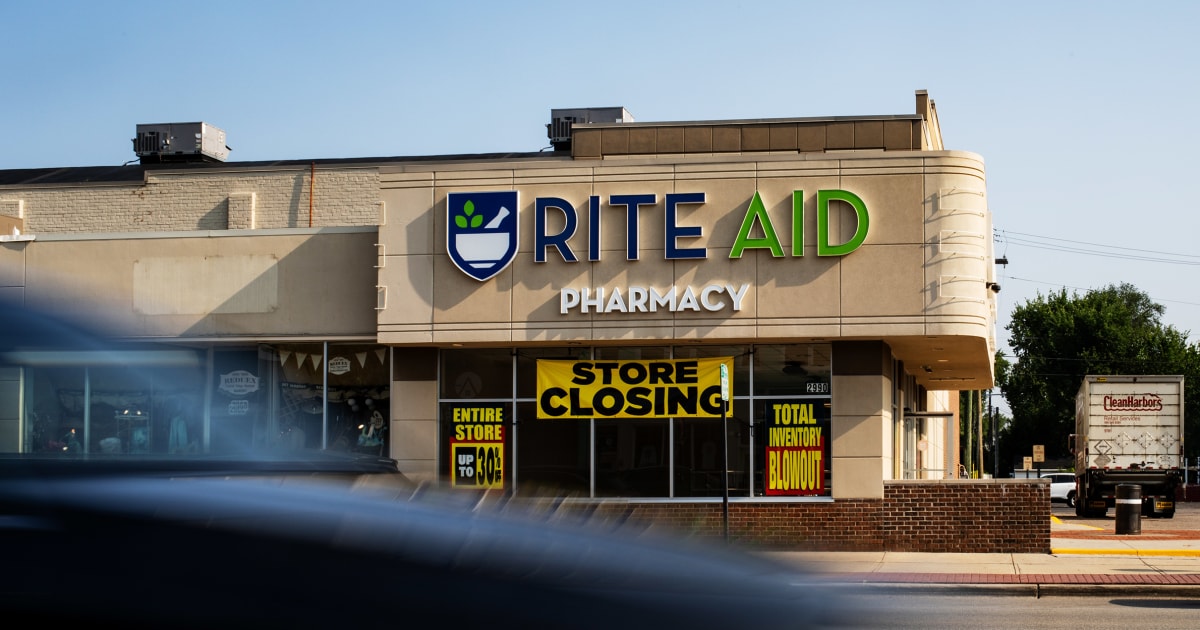
Rite Aid’s Second Bankruptcy: A Warning Sign for Pharmacy Chains
Rite Aid, the third-largest U.S. pharmacy chain, filed for Chapter 11 bankruptcy protection on October 15, 2023—its second such filing in just two years. The Pennsylvania-based retailer faces $3.3 billion in debt amid declining revenues, opioid-related lawsuits, and fierce competition from CVS, Walgreens, and Amazon Pharmacy. This collapse signals deeper challenges facing traditional drugstore models in an era of healthcare digitization and consolidation.
The Perfect Storm: Why Rite Aid Collapsed Again
Rite Aid’s bankruptcy stems from multiple converging crises. The company never fully recovered from its failed 2015 merger with Walgreens, which regulators blocked over antitrust concerns. Since then, it has:
- Lost $1.3 billion in fiscal 2023 alone
- Closed 145 stores since June 2023, with 400+ more closures planned
- Faced $600 million in opioid settlement claims
“This isn’t just about Rite Aid—it’s about the broken economics of retail pharmacy,” says healthcare analyst Miranda Chen of Bernstein Research. “Between razor-thin medication margins, staffing shortages, and PBM pressures, the traditional model is unraveling.”
Industry-Wide Implications for Pharmacy Chains
Rite Aid’s collapse reflects systemic challenges affecting all major pharmacy chains:
| Challenge | Impact |
|---|---|
| Declining reimbursement rates | PBMs now reimburse 15-20% below 2019 levels |
| Amazon’s expansion | Mail-order prescriptions grew 65% since 2020 |
| Staffing costs | Pharmacist wages rose 22% post-pandemic |
Dr. Robert Kaplan, former FDA commissioner, warns: “We’re seeing the Great Rationalization of pharmacy networks. Chains built for the 20th century can’t survive on flu shots and birthday cards alone.”
What Rite Aid’s Bankruptcy Means for Stakeholders
The fallout extends across multiple groups:
For Customers
Patients in underserved areas face medication access issues as stores close. Rite Aid serves 8.5 million Medicaid recipients—many in rural communities with few alternatives.
For Employees
Nearly 45,000 workers face uncertainty. While Rite Aid promises “business as usual” during restructuring, past bankruptcies suggest layoffs are likely.
For Competitors
CVS and Walgreens may acquire prime locations, but analysts caution against overexpansion. “The smart money is on clinics, not store count,” notes Chen.
The Future of Pharmacy: Three Possible Scenarios
Industry experts outline potential paths forward:
- Consolidation: Regional chains merge to survive (e.g., Kroger-Albertsons)
- Specialization: Focus on high-margin services like vaccinations
- Hybrid Models: Partnering with telehealth platforms
Walgreens’ recent $5.2 billion investment in VillageMD clinics suggests option three may gain traction. Meanwhile, Amazon Pharmacy’s same-day delivery now covers 90% of U.S. ZIP codes.
Lessons From Rite Aid’s Downfall
Three critical missteps sealed Rite Aid’s fate:
- Late Digital Transition: Launched e-commerce 5 years after CVS
- Overexpansion: Operated 4,600 stores at peak (now 2,100)
- Legal Liabilities: Opioid settlements drained cash reserves
“They became a cautionary tale about reacting instead of innovating,” observes retail strategist David Bassuk. “In healthcare today, standing still means falling behind.”
What Comes Next for Pharmacy Chains?
The industry faces a pivotal moment. With 1 in 4 independent pharmacies closing since 2019 and chain profits shrinking, stakeholders must adapt. Key developments to watch:
- FDA’s pending decision on pharmacy-based COVID/flu test approvals
- Medicare reimbursement reforms in 2024
- Walmart’s rumored primary care clinic expansion
As prescriptions migrate online and insurers push cost-cutting, Rite Aid’s collapse may mark the beginning—not the end—of retail pharmacy’s reckoning. For consumers and professionals alike, the message is clear: the neighborhood drugstore must reinvent itself or disappear.
How will pharmacy chains adapt to survive? Share your perspective with healthcare journalists covering this evolving story.
See more Business Focus Insider Team
