
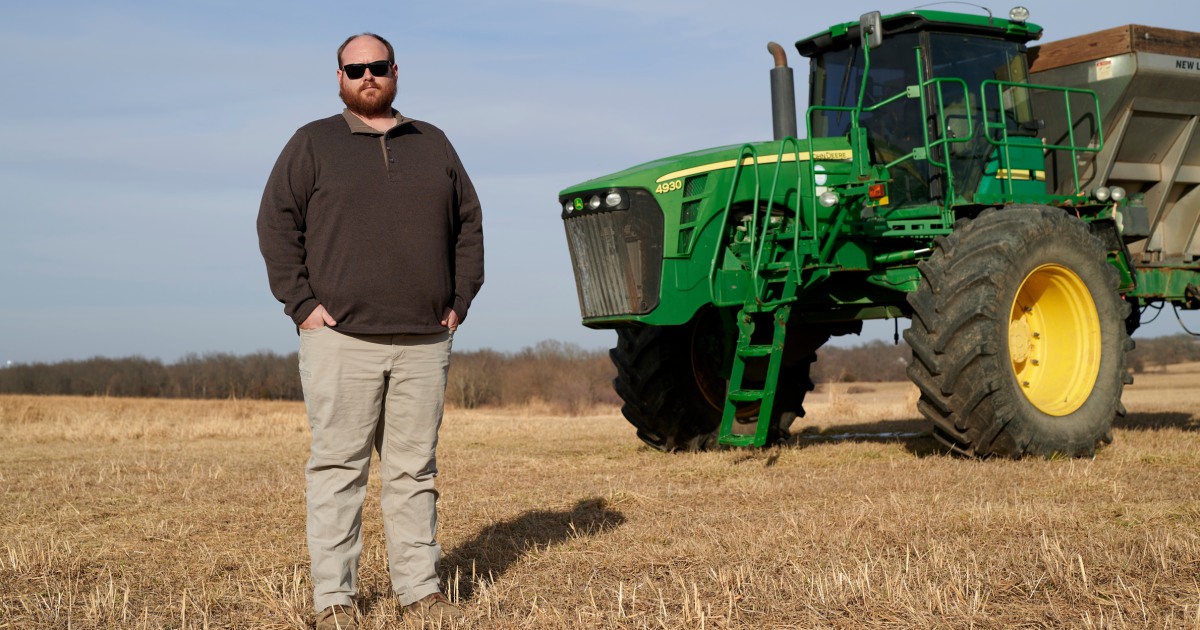
Farmers Unite: The Right-to-Repair Movement Takes on John Deere
Across rural America, farmers are rallying against agricultural giant John Deere in a battle over who controls the right to repair their own equipment. Frustrated by restrictive software locks and costly dealer-only repairs, a coalition of agricultural workers is pushing for legislation to break the monopoly on tractor maintenance. The movement, gaining traction since 2015, could redefine ownership rights in the digital farming era.
The Growing Chasm Between Farmers and Equipment Manufacturers
Modern farm equipment has transformed into complex computers on wheels, with John Deere leading the charge in high-tech agricultural machinery. However, this innovation comes with strings attached—strings that farmers say are strangling their livelihoods. A 2021 Farm Journal survey revealed:
- 78% of farmers report waiting over 3 days for critical repairs
- Average repair costs increased 38% since 2017
- 92% support right-to-repair legislation
“When my combine broke during harvest, the dealer couldn’t get a technician out for a week,” says Iowa farmer Mark Dawson, wiping grease from his hands. “That’s $20,000 in lost crops while software I paid for prevents me from fixing my own equipment.”
How Software Locks Created a Repair Monopoly
John Deere’s approach mirrors tactics from the tech industry, using digital rights management (DRM) to control post-purchase servicing. The company argues these measures ensure safety and prevent unauthorized modifications that could violate emissions standards. However, internal documents leaked in 2022 revealed dealer repair departments generate 45-60% of total revenue.
Agricultural economist Dr. Lila Chen explains: “This isn’t just about wrenches and spark plugs anymore. Modern tractors contain over 100 microprocessors, and manufacturers have weaponized copyright law to create what amounts to a repair tax on farmers.”
The Legal Landscape of Right-to-Repair
Twenty-seven states have introduced right-to-repair bills since 2021, with Colorado becoming the first to pass agricultural-specific legislation in 2023. The Biden administration issued an executive order promoting repair competition, while the FTC has prioritized the issue in its 2024 regulatory agenda.
John Deere’s Concessions and Continued Resistance
Facing mounting pressure, John Deere signed a memorandum of understanding with the American Farm Bureau Federation in 2023, promising greater access to diagnostic tools and manuals. Critics argue the agreement lacks enforcement teeth, noting:
- Tools remain prohibitively expensive ($3,000+ for diagnostic software)
- Critical firmware updates still require dealer authorization
- Independent shops face restrictive licensing terms
“It’s like giving someone a key but keeping all the doors locked,” remarks Nebraska state senator Carol Vickers, who sponsored right-to-repair legislation. “Farmers need full access, not half-measures designed to protect corporate profits.”
The Broader Implications for Technology Ownership
This agricultural struggle reflects a wider societal shift in ownership models. From smartphones to tractors, consumers increasingly find themselves licensing rather than owning products. The farming community’s organized resistance provides a blueprint for other industries facing similar challenges.
What’s Next for the Movement?
With planting season approaching, activists are preparing their strongest push yet:
- Class action lawsuits alleging antitrust violations
- Coordinated state legislative efforts in 12 farm states
- Direct action including “repair barn” workshops
As Wisconsin dairy farmer Rachel Nguyen puts it while jury-rigging a sensor with duct tape: “My grandfather could fix anything on this farm with basic tools. These corporations want us to believe technology changes that right—but we’re proving them wrong.”
The coming harvest may yield more than crops; it could determine whether property rights can survive the digital age. For consumers watching this fight, the farmers’ stand represents the front line in a battle that will eventually reach every garage, workshop, and home in America.
Call to Action: Contact your state representatives to voice support for fair repair legislation, and share your repair experiences using #RightToRepair on social media.
See more Business Focus Insider Team
