
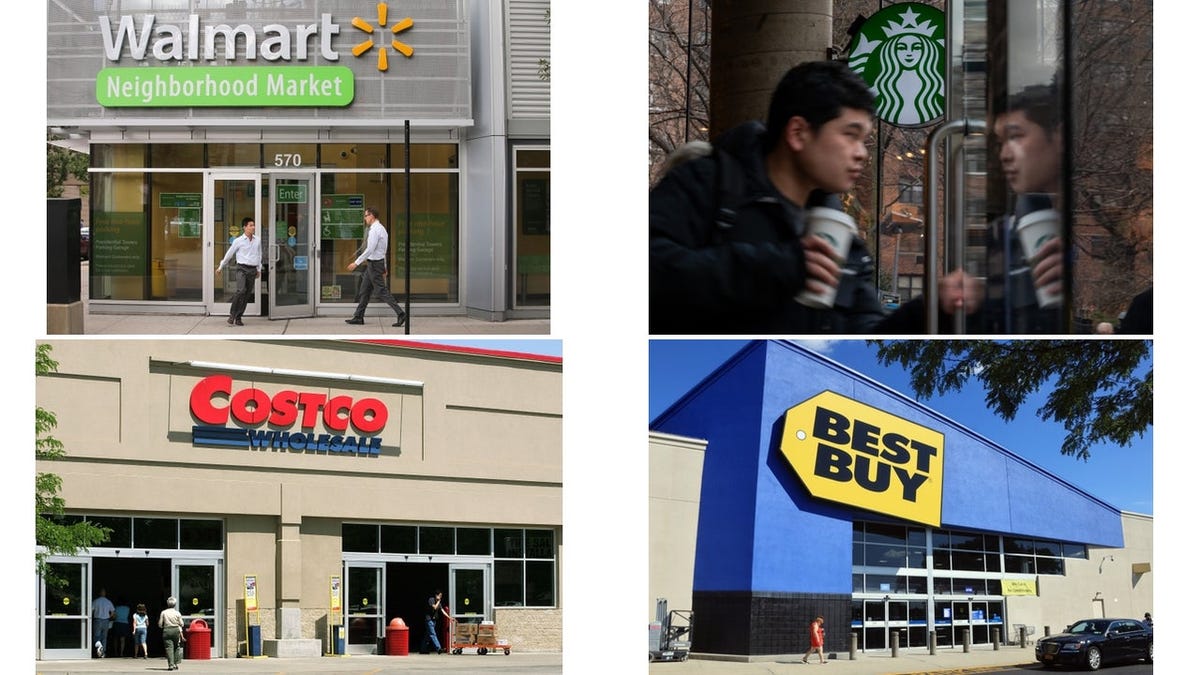
In an ever-evolving retail environment, companies like Target, Walmart, and Starbucks are redefining their strategies to adapt to shifting consumer preferences, increased competition, and global market dynamics. As the landscape of retail transforms, understanding the intricacies of price strategies and international tactics has become paramount for retailers aiming to thrive.
The Importance of Price Strategies in Retail
Price strategies serve as the backbone of retail operations. They influence sales, customer perception, and overall profitability. In today’s fast-paced market, retailers must navigate a complex array of factors that dictate how they price their products. Major players are increasingly employing dynamic pricing models, which allow them to adjust prices in real-time based on demand, competition, and consumer behavior.
- Dynamic Pricing: Retailers use data analytics to modify prices frequently, ensuring they remain competitive while maximizing margins.
- Psychological Pricing: Techniques such as pricing items at $9.99 instead of $10.00 can significantly impact consumer behavior.
- Promotional Pricing: Temporary discounts or bundling products can attract customers and boost sales during peak shopping seasons.
These strategies are not just about lowering prices; they are about understanding the value proposition and effectively communicating it to consumers. Retailers must be keenly aware of their target audience’s preferences and spending habits.
Target’s Approach to Pricing and Value
Target has long positioned itself as a retailer that offers both quality and affordability. In recent years, the company has focused on enhancing its price strategy by implementing a combination of price matching and exclusive partnerships with popular brands. This approach not only strengthens its competitive edge but also builds customer loyalty.
Moreover, Target has invested heavily in its e-commerce capabilities and omnichannel strategies, allowing for seamless integration between online and in-store shopping experiences. This flexibility gives consumers the ability to choose how they wish to shop, which has become increasingly important in today’s retail landscape.
Walmart’s Global Pricing Strategies
Walmart, a titan in the retail industry, has a distinct approach to pricing that emphasizes low prices and everyday value. The company leverages its vast supply chain and economies of scale to maintain competitive pricing across various markets. Walmart’s commitment to “Everyday Low Prices” (EDLP) has been a cornerstone of its business model, allowing it to attract price-sensitive consumers.
On a global scale, Walmart adapts its pricing strategies to fit local market conditions. For instance, in international markets, Walmart has tailored its product offerings and pricing structures to reflect local preferences and economic conditions. This flexibility allows Walmart to navigate diverse regulatory landscapes and cultural nuances effectively.
Starbucks: The Premium Pricing Strategy
Unlike Target and Walmart, Starbucks employs a premium pricing strategy that focuses on quality and brand experience. The coffee giant has cultivated a strong brand identity that emphasizes the artisanal nature of its products. This strategy enables Starbucks to maintain higher price points while fostering customer loyalty.
Starbucks also uses pricing strategies to enhance its value proposition. For instance, the introduction of loyalty programs and seasonal promotions creates an incentive for customers to return, thereby justifying the higher prices. By leveraging technology, such as mobile ordering and payment systems, Starbucks has made it convenient for customers to engage with its brand, further solidifying its market position.
Global Tactics: Adapting to Local Markets
As retail expands globally, the importance of localizing strategies cannot be overstated. Successful retailers understand that what works in one market may not necessarily translate to another. For example, cultural preferences, economic conditions, and consumer behavior vary widely from region to region. Here are some tactics retailers are employing:
- Localization of Products: Retailers offer products tailored to local tastes, such as specific food items or fashion styles.
- Market Research: Understanding local consumer behavior through surveys and focus groups allows retailers to fine-tune their offerings.
- Strategic Partnerships: Collaborating with local brands or influencers can enhance credibility and relevance in new markets.
Companies like Walmart and Starbucks have successfully implemented these tactics, allowing them to enter and thrive in diverse global markets. The ability to adapt and respond to local consumer needs is crucial for long-term success.
The Role of Technology in Pricing Strategies
Technology plays a pivotal role in shaping modern pricing strategies. Retailers are increasingly utilizing advanced analytics, artificial intelligence, and machine learning to inform their pricing decisions. These technologies can analyze vast amounts of data to identify trends, forecast demand, and optimize pricing in real-time.
For instance, AI-driven algorithms can help retailers determine the optimal price point for products based on factors such as competitor pricing, inventory levels, and consumer purchasing behavior. This data-driven approach enables retailers to remain agile and responsive in a competitive landscape.
Future Trends in Retail Pricing Strategies
As we look ahead, several trends are likely to influence retail pricing strategies:
- Increased Personalization: Retailers will leverage consumer data to offer personalized pricing and promotions, enhancing customer engagement.
- Sustainability Considerations: As consumers become more environmentally conscious, retailers may adjust prices to reflect sustainable practices and ethical sourcing.
- Subscription Models: The rise of subscription services could lead to innovative pricing strategies that prioritize customer loyalty and recurring revenue.
Retailers that proactively embrace these trends will be better positioned to navigate the complexities of the evolving retail landscape. Price strategies will continue to be a critical component in attracting and retaining customers.
Conclusion: Embracing a New Retail Era
In conclusion, navigating retail’s new landscape requires a deep understanding of price strategies and global tactics. As companies like Target, Walmart, and Starbucks redefine their approaches, they set the stage for a new era of retail characterized by adaptability, technology integration, and an unwavering focus on consumer preferences. By embracing innovation and remaining attuned to market dynamics, retailers can not only survive but thrive in this competitive environment.
As we move forward, the importance of strategic pricing and global adaptability will only grow, shaping the future of retail in profound ways. Retailers willing to invest in understanding their customers and leveraging technology will undoubtedly pave the way for success in this dynamic landscape.
See more Business Focus Insider Team
