
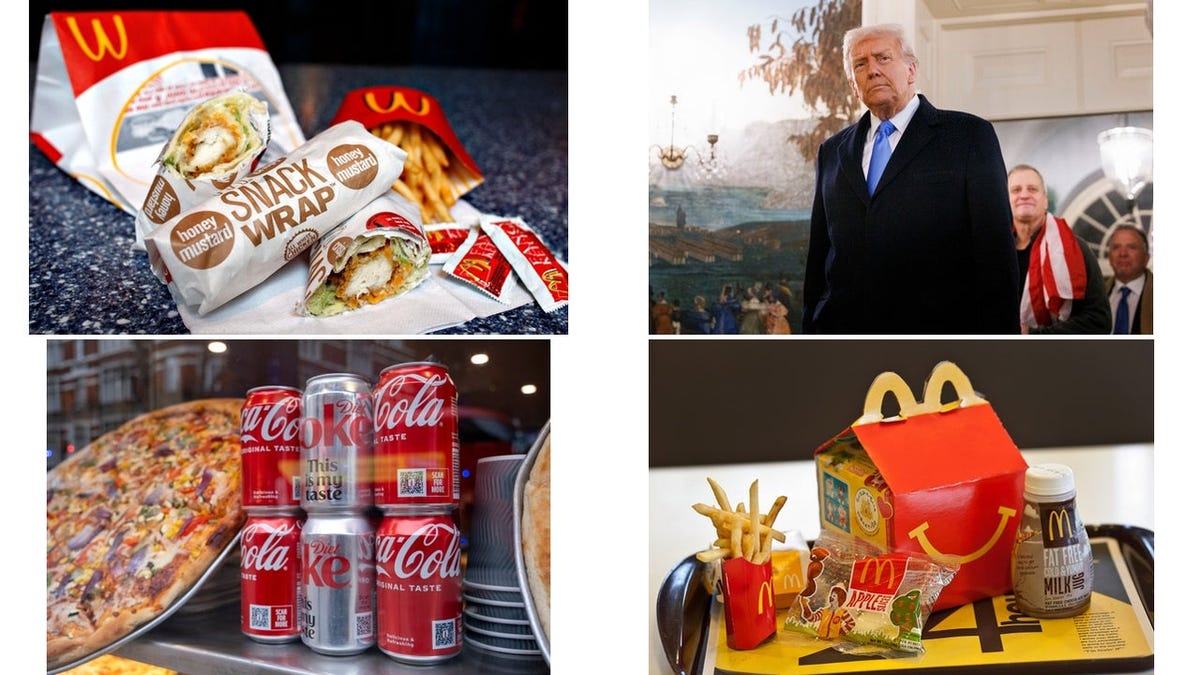
Retail Giants Face Off: McDonald’s, Shein, and Coca-Cola Tackle Industry Challenges
In an ever-evolving retail landscape, industry giants like McDonald’s, Shein, and Coca-Cola are navigating a myriad of challenges that impact their operations and customer perceptions. These companies are not just icons in their respective fields; they are also bellwethers for broader trends affecting the global marketplace. This article explores how McDonald’s is betting big on chicken, how Shein is grappling with tariff issues, and how Coca-Cola is seeking innovative solutions for plastic waste.
McDonald’s: A Chicken Revolution
McDonald’s, the fast-food titan, has long been synonymous with burgers and fries. However, as consumer preferences shift toward healthier options and sustainability, the company is making significant investments in chicken-based menu items. This strategic pivot reflects a broader trend in the fast-food industry, where chicken is increasingly becoming the protein of choice.
- Health Consciousness: Many consumers are now prioritizing healthier eating habits. Chicken, being lower in fat compared to beef, aligns with these preferences.
- Market Trends: The chicken sandwich craze has swept across the nation, with various brands vying for the top spot. McDonald’s aims to capitalize on this trend by enhancing its chicken offerings.
- Menu Innovations: The company has introduced new chicken sandwiches and nuggets, focusing on flavor and quality to attract both loyal customers and new diners.
This shift is not merely about adding items to the menu; it signifies a strategic response to evolving market dynamics. By investing heavily in its chicken offerings, McDonald’s is positioning itself as a leader in the fast-food sector, appealing to a diverse customer base that values both taste and nutrition.
On the other side of the retail spectrum, Shein, the fast-fashion powerhouse, faces its own set of challenges. The company has grown rapidly, capturing the attention of a generation that craves trendy clothing at affordable prices. However, Shein is currently grappling with tariff issues that could impact its pricing and market strategy.
- Global Supply Chain: Shein relies heavily on a complex supply chain that spans across multiple countries. Changes in tariffs can lead to increased costs, which may affect pricing strategies.
- Consumer Sentiment: As awareness of ethical fashion grows, Shein must balance affordability with sustainability. This challenge is compounded by potential tariff hikes that could make products more expensive.
- Regulatory Changes: The ever-changing landscape of international trade agreements can create uncertainty for companies like Shein, requiring constant adaptation to remain competitive.
As Shein navigates these turbulent waters, the company is also focusing on transparency and sustainability initiatives. By addressing environmental concerns and improving labor practices, Shein aims to enhance its brand image and secure a loyal customer base amidst growing scrutiny.
Coca-Cola: The Plastic Waste Dilemma
Coca-Cola, a brand known for its iconic beverages, is facing perhaps one of the most pressing challenges of our time: plastic waste. As the world becomes increasingly aware of the environmental impact of single-use plastics, Coca-Cola is under pressure to find sustainable solutions.
- Commitment to Sustainability: Coca-Cola has pledged to collect and recycle the equivalent of every bottle or can it sells by 2030. This ambitious goal highlights the company’s recognition of its role in the plastic crisis.
- Innovative Packaging: The company is exploring alternatives to traditional plastic packaging. Innovations such as plant-based materials and reusable bottles are gaining traction.
- Community Engagement: Coca-Cola is also investing in community programs aimed at promoting recycling and reducing waste. Engaging with consumers on sustainability issues is crucial for rebuilding trust.
By addressing plastic waste, Coca-Cola is not just responding to regulations and consumer demands; it is also setting a precedent for other companies in the beverage sector. The challenge of sustainability is an opportunity for Coca-Cola to lead by example in the quest for environmental responsibility.
Comparative Analysis: Adapting to Change
While McDonald’s, Shein, and Coca-Cola operate in vastly different segments of the retail industry, they share common challenges that require innovative solutions. Each company is adapting to consumer demands, regulatory pressures, and global market shifts in unique ways:
- Consumer Trends: All three companies are keenly aware of shifting consumer preferences. Whether it’s healthier eating, ethical fashion, or environmental responsibility, understanding these trends is vital for success.
- Innovation: From McDonald’s new chicken dishes to Shein’s sustainable practices and Coca-Cola’s packaging innovations, each company is leveraging creativity to address challenges.
- Market Positioning: Each giant is repositioning itself in the market. McDonald’s is embracing chicken, Shein is focusing on sustainability, and Coca-Cola is tackling plastic waste.
The Future of Retail
The future of retail is undoubtedly intertwined with the actions of these industry giants. As they tackle their respective challenges head-on, they set the tone for the broader retail landscape. The shifts in consumer behavior, regulatory environments, and technological advancements will continue to shape how these companies operate.
Moreover, this competitive environment encourages innovation and adaptability. As McDonald’s, Shein, and Coca-Cola respond to challenges, they inspire other companies to reconsider their strategies, paving the way for a more sustainable and consumer-centric retail industry.
Conclusion
In conclusion, the retail giants McDonald’s, Shein, and Coca-Cola are facing significant challenges, yet they are also seizing opportunities to redefine their roles in the market. McDonald’s is betting big on chicken to meet changing consumer tastes, Shein is navigating tariff issues while striving for sustainability, and Coca-Cola is committed to addressing plastic waste. As these companies adapt to the evolving landscape, they not only shape their futures but also influence the broader retail industry, setting a course for innovation and responsibility.
See more Business Focus Insider Team
