
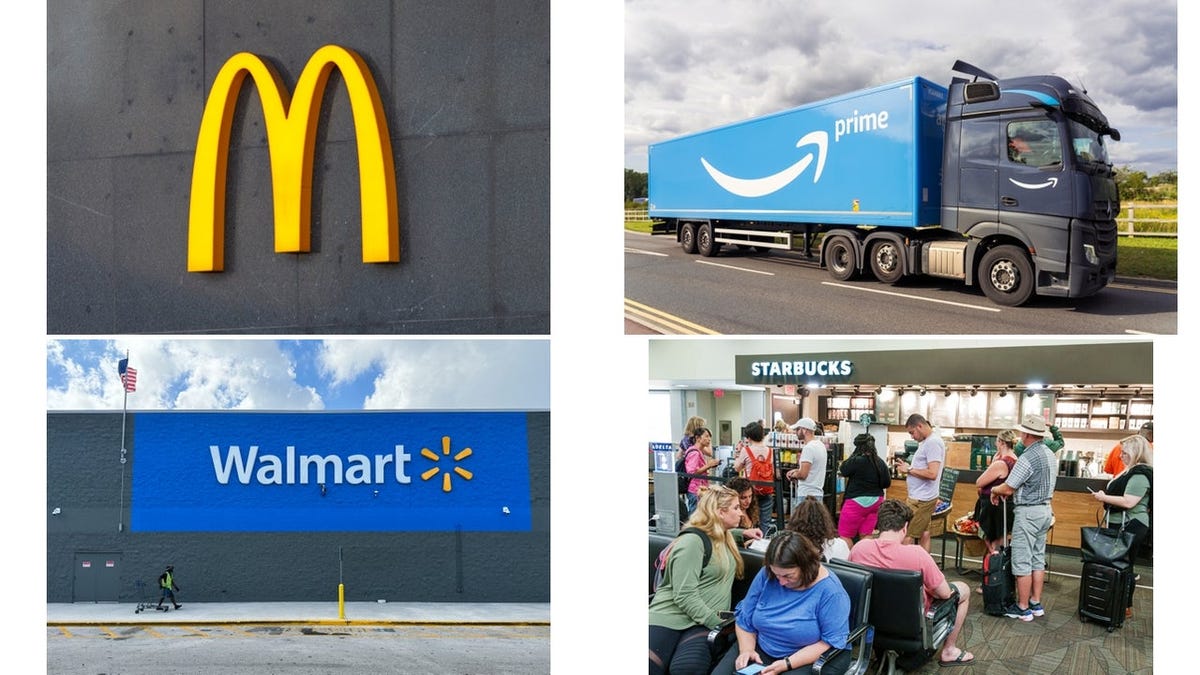
Retail Revolution: Amazon’s Delivery Triumph
In the ever-evolving landscape of retail, companies are constantly adapting to consumer demands and technological advancements. The latest developments in this dynamic arena highlight Amazon’s victory in the delivery sector, Walmart’s innovative mall makeover, and the nostalgic return of McDonald’s iconic Shamrock Shake. Together, these stories illustrate a broader retail revolution that is reshaping how consumers interact with brands and how businesses operate in a post-pandemic world.
Amazon’s Delivery Triumph: A Game Changer in Retail
Amazon has long been at the forefront of e-commerce, but its recent advancements in delivery logistics have truly set it apart from the competition. The company has made significant investments in its fulfillment centers, last-mile delivery networks, and technology, resulting in faster and more reliable delivery services.
One of the key elements of Amazon’s success is its innovative use of data analytics and artificial intelligence. By leveraging these technologies, Amazon can predict demand, optimize delivery routes, and reduce transit times. This capability has not only improved customer satisfaction but has also positioned Amazon as the leader in the retail delivery revolution.
The Impact of Same-Day Delivery
Same-day delivery has emerged as a crucial factor in consumer decision-making. Amazon has expanded its offerings to include this service in many metropolitan areas, allowing customers to receive their orders within hours of purchase. This rapid fulfillment capability has set a new standard in the industry, compelling competitors to enhance their own delivery options.
- Customer Convenience: Shoppers increasingly expect instant gratification, and same-day delivery meets that demand.
- Increased Sales: The immediacy of delivery encourages impulse purchases, boosting overall sales for Amazon.
- Competitive Advantage: Other retailers are now scrambling to offer similar services, leading to a competitive race in logistics.
Innovative Technologies Driving Delivery
Amazon is not just relying on traditional delivery methods. The company has invested heavily in drone technology and autonomous vehicles, which promise to revolutionize last-mile delivery. Drones, for instance, can deliver packages in a matter of minutes, drastically reducing delivery times and costs.
As Amazon continues to refine these technologies, it sets a precedent that may well become the norm for retail delivery. This commitment to innovation highlights Amazon’s role as the leader in the retail revolution, pushing other retailers to adapt or risk obsolescence.
Walmart’s Mall Makeover: A New Retail Experience
While Amazon focuses on digital delivery, Walmart is embarking on an ambitious transformation of its physical stores, particularly those located in shopping malls. This makeover aims to revitalize the traditional retail experience and draw consumers back to brick-and-mortar locations.
Restructuring the Shopping Experience
Walmart’s mall makeover is not merely cosmetic; it’s a complete rethinking of how consumers interact with retail spaces. The new design includes:
- Experiential Zones: Areas dedicated to hands-on experiences, allowing customers to try before they buy.
- Community Spaces: Areas for events and gatherings, fostering a sense of community within the shopping environment.
- Integrated Technology: Smart kiosks and mobile apps to enhance the shopping experience and streamline the checkout process.
This transition represents Walmart’s acknowledgment of changing consumer preferences, particularly the desire for a more engaging and interactive shopping experience.
Sustainability and Local Partnerships
The mall makeover also includes a focus on sustainability. Walmart is partnering with local businesses to promote regional products, reducing the carbon footprint associated with long-distance shipping. This approach not only supports local economies but also aligns with the growing consumer demand for sustainable practices.
By creating a shopping environment that emphasizes community, sustainability, and innovation, Walmart aims to redefine the retail experience, responding to the challenges posed by e-commerce giants like Amazon.
The Return of McDonald’s Iconic Shamrock Shake
In a delightful twist to the retail revolution, McDonald’s has brought back its iconic Shamrock Shake, a seasonal favorite that has garnered a dedicated following over the years. The return of this beloved beverage not only sparks nostalgia among fans but also highlights the broader trend of brands leveraging nostalgia to connect with consumers.
Nostalgia Marketing: A Powerful Tool
Nostalgia marketing has proven to be effective in drawing customers back to familiar products. For McDonald’s, the Shamrock Shake is more than just a seasonal offering; it’s a symbol of comfort and tradition. The shake’s rich minty flavor and creamy texture evoke memories of past celebrations, making it a sought-after item each spring.
- Emotional Connection: Nostalgic products resonate with consumers on an emotional level, fostering brand loyalty.
- Limited-Time Offers: The seasonal nature of the Shamrock Shake creates urgency, encouraging fans to purchase before it’s gone.
- Social Media Buzz: The return of the shake generates significant buzz online, as fans share their excitement and experiences.
Enhancing the McDonald’s Experience
In addition to the Shamrock Shake, McDonald’s is revamping its menu to include healthier options and new flavors, catering to evolving consumer preferences. This menu diversification, combined with the nostalgic return of classic items, positions McDonald’s as a brand that respects tradition while embracing modernity.
Conclusion: The Future of Retail
The retail landscape is undergoing a significant transformation, driven by technological advancements, changing consumer preferences, and the need for brands to adapt. Amazon’s delivery triumph, Walmart’s innovative mall makeover, and the nostalgic return of McDonald’s Shamrock Shake all illustrate a retail revolution in progress.
As these companies continue to innovate and adapt, they not only enhance their own operations but also shape the future of the retail industry. The key takeaway for businesses is clear: to thrive in this competitive environment, they must embrace change, prioritize customer experience, and remain attuned to the desires of their consumers.
See more Business Focus Insider Team
