
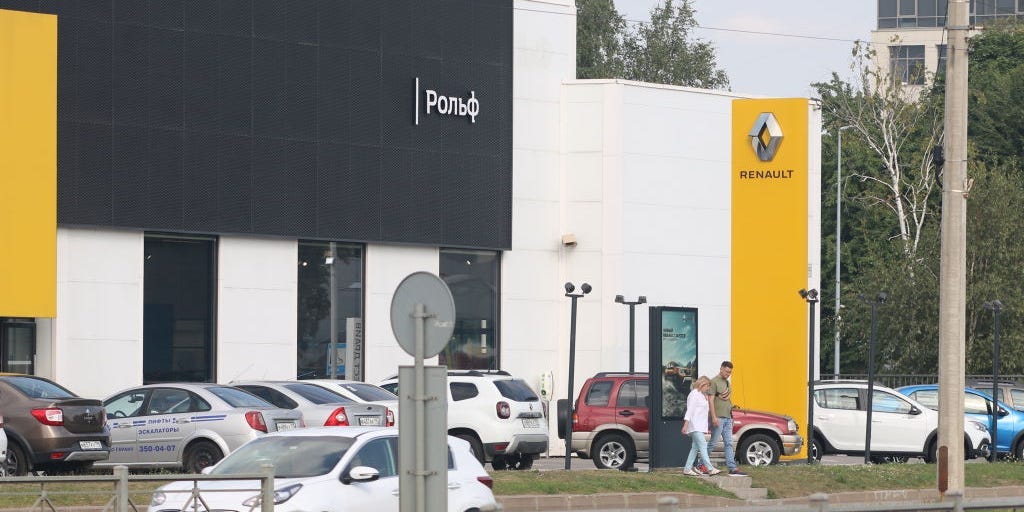
Renault’s Exit: A Cautionary Tale for Western Businesses in Russia
As Renault withdraws from the Russian market, the implications of its departure resonate far beyond the automotive industry. This shift serves as a stark reminder of the challenges facing Western companies in navigating geopolitical tensions and market volatility. Renault’s decision is not just a business maneuver; it encapsulates a broader narrative about economic resilience, risk management, and the complexities of international trade.
The Context of Renault’s Withdrawal
In recent years, Russia has become a contentious landscape for foreign businesses, particularly those from the West. The combination of international sanctions, economic instability, and political uncertainty has created a challenging environment. Renault, once a key player in the Russian automotive sector, realized that the risks associated with maintaining operations in this market outweighed the potential rewards.
Renault, which held a significant share of the Russian car market, was compelled to reassess its strategy as tensions escalated globally. The company’s exit is emblematic of a larger trend, where Western businesses are reevaluating their presence in countries grappling with geopolitical strife.
The Implications of Renault’s Exit
Renault’s withdrawal has several implications that extend beyond its immediate business operations:
- Loss of Jobs: The departure means that thousands of jobs within Renault’s production facilities and its supply chain will be lost, impacting local economies.
- Impact on Local Suppliers: Local suppliers who depend on Renault’s operations will also face significant challenges, potentially leading to a ripple effect throughout the economy.
- Brand Reputation: The exit can affect Renault’s brand image globally, as customers and stakeholders react to its decision to leave a market during turbulent times.
Moreover, Renault’s exit serves as a cautionary tale for other Western businesses contemplating their future in Russia. Companies must weigh the risks of political instability against the financial opportunities present in emerging markets.
Geopolitical Tensions and Market Volatility
The current geopolitical landscape is marked by power struggles, economic sanctions, and trade wars. For Western businesses operating in Russia, these factors are critical considerations. The need for companies to remain agile and responsive to changing conditions cannot be overstated.
Renault’s exit highlights several challenges that Western companies face:
- Sanctions and Trade Barriers: The imposition of sanctions by Western governments restricts business operations and complicates supply chains.
- Market Uncertainty: Fluctuating economic conditions can make long-term investments in markets like Russia risky.
- Public Sentiment: Companies must navigate public perception and potential backlash from consumers regarding their presence in certain markets.
These challenges necessitate a strategic approach, with a focus on risk assessment and contingency planning. Western businesses can no longer afford to take a one-size-fits-all approach when entering or remaining in foreign markets.
Lessons Learned from Renault’s Experience
Renault’s exit from Russia offers several lessons for other Western businesses:
- Due Diligence is Key: Companies must conduct thorough market research and risk assessments before entering or continuing operations in volatile regions.
- Flexibility and Adaptability: Businesses should remain agile, ready to pivot or withdraw as circumstances change.
- Stakeholder Engagement: Maintaining open lines of communication with stakeholders, including employees, customers, and local communities, is crucial during times of transition.
By learning from Renault’s experience, other businesses can better prepare themselves to face similar challenges in the future.
Looking Ahead: The Future of Western Businesses in Russia
The future for Western businesses in Russia remains uncertain. As geopolitical tensions continue to shape the global economic landscape, companies must navigate a complex web of challenges.
However, opportunities still exist. Emerging markets can offer substantial rewards for those willing to invest time and resources. The key lies in understanding the local context and being prepared for rapid changes.
To successfully navigate the current environment, Western companies might consider the following strategies:
- Partnerships and Alliances: Forming alliances with local firms can provide valuable insights and reduce risks associated with market entry.
- Diverse Supply Chains: Businesses should diversify their supply chains to mitigate risks associated with geopolitical disruptions.
- Crisis Management Plans: Developing comprehensive crisis management plans can help companies respond effectively to unforeseen events.
By implementing these strategies, Western businesses can enhance their resilience and adaptability in challenging markets like Russia.
Conclusion: The Broader Implications of Renault’s Exit
Renault’s withdrawal from the Russian market is more than just a corporate decision; it serves as a cautionary tale for all Western businesses. In a world marked by uncertainty, companies must be proactive in managing risks and responsive to changing geopolitical landscapes. The lessons learned from Renault’s experience can provide valuable insights for businesses navigating these turbulent waters.
As the landscape continues to evolve, understanding the intricacies of international trade and the implications of geopolitical tensions will be crucial for the long-term success of Western businesses operating in Russia and beyond. The exit of a major player like Renault underscores the need for vigilance, adaptability, and strategic foresight in the face of unpredictability.
See more Business Focus Insider Team
